Introduction
In a world full of visual noise, the Japandi design style offers something rare—calm, balance, and intentional living. A blend of Japanese simplicity and Scandinavian functionality, Japandi interiors focus on clean lines, natural materials, and a peaceful atmosphere.
These Japandi living room ideas are not just about decorating a space—they’re about creating an environment that feels grounded, uncluttered, and emotionally soothing. Think soft neutral tones, light wood textures, low-profile furniture, and meaningful minimalism.
If you want your living room to feel like a quiet retreat from the outside world, these carefully curated Japandi living room ideas will help you design a space that is both beautiful and deeply calming.
1. Neutral Color Palette with Warm Undertones
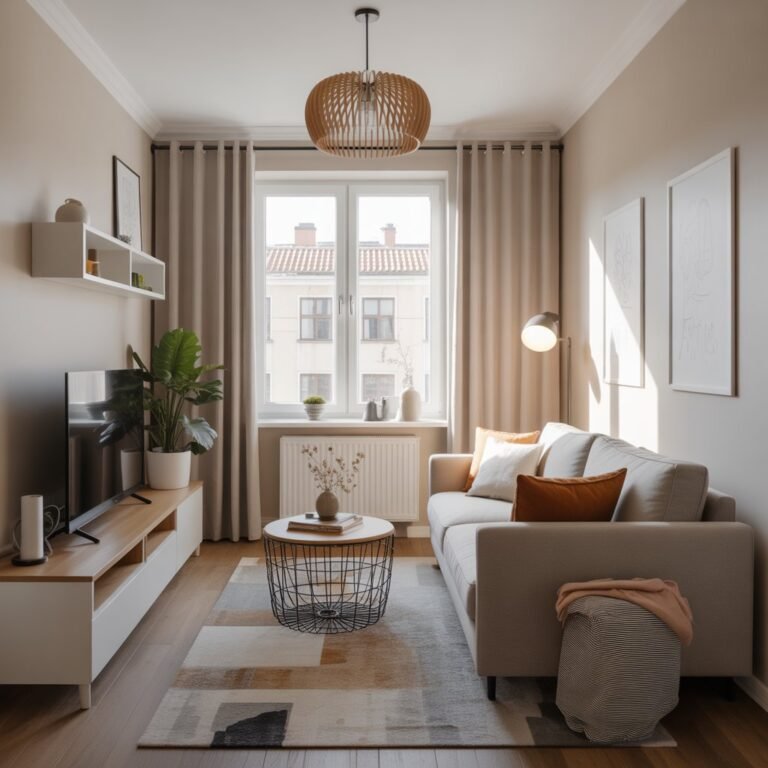
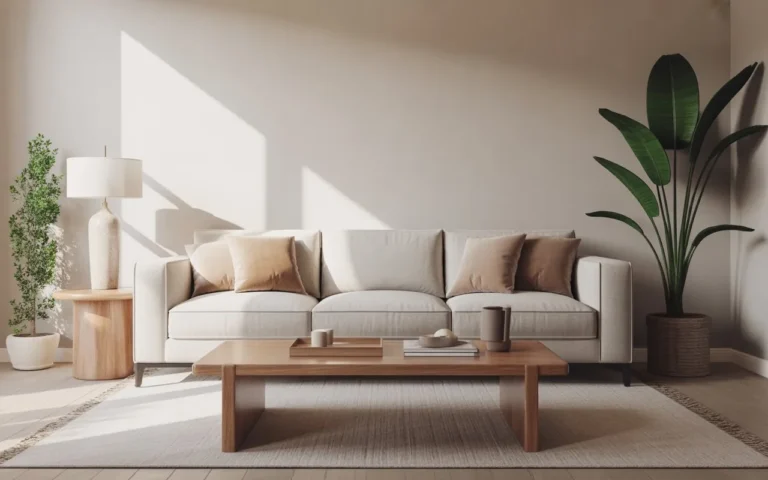
The foundation of any Japandi living room starts with color. Soft shades like beige, off-white, taupe, and warm gray create a calm and cohesive environment.
Avoid stark contrasts—Japandi thrives on harmony and subtle transitions.
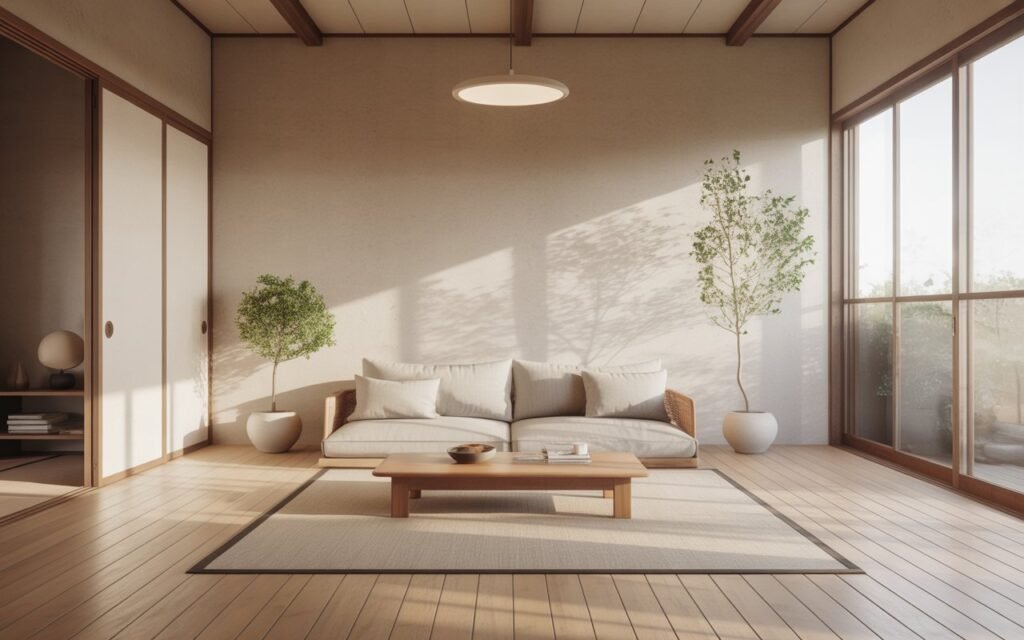
2. Low-Profile Furniture for Grounded Living
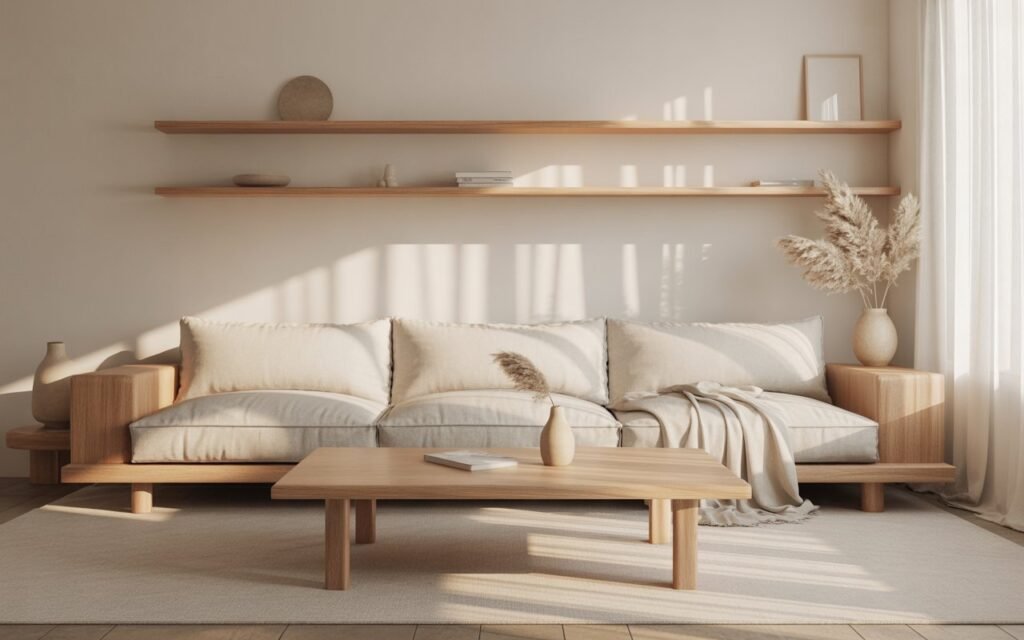
Japandi interiors often feature furniture that sits closer to the ground. Low sofas and tables create a sense of stability and openness.
This approach makes the room feel more spacious and connected.
3. Natural Wood Elements
Light wood tones—like oak, ash, or birch—are essential in Japandi design. Incorporate wooden coffee tables, shelving, or flooring to bring warmth and texture into your living room.
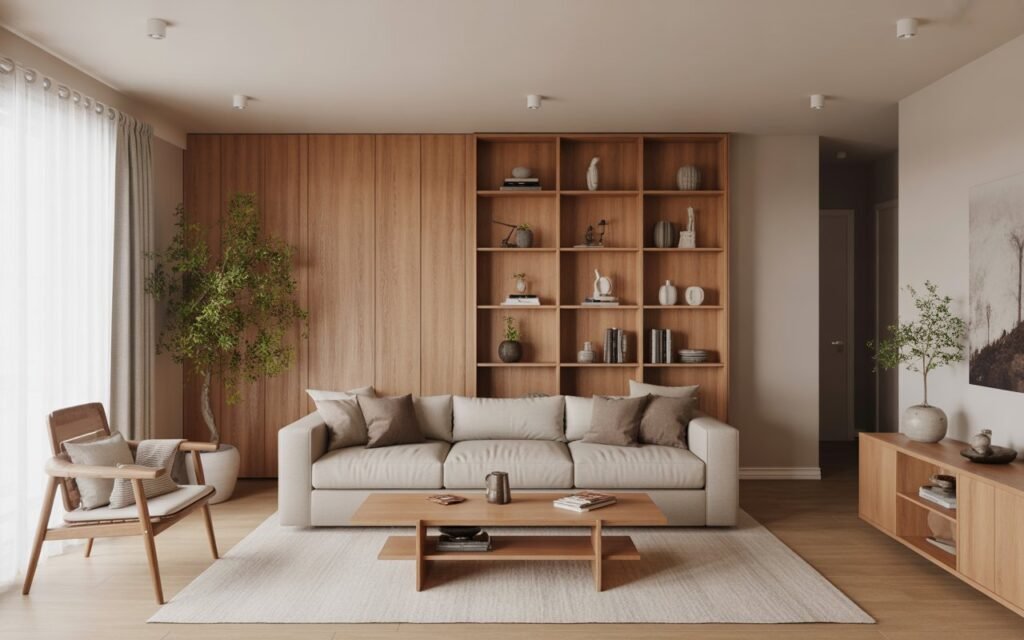
4. Minimal Decor with Purpose
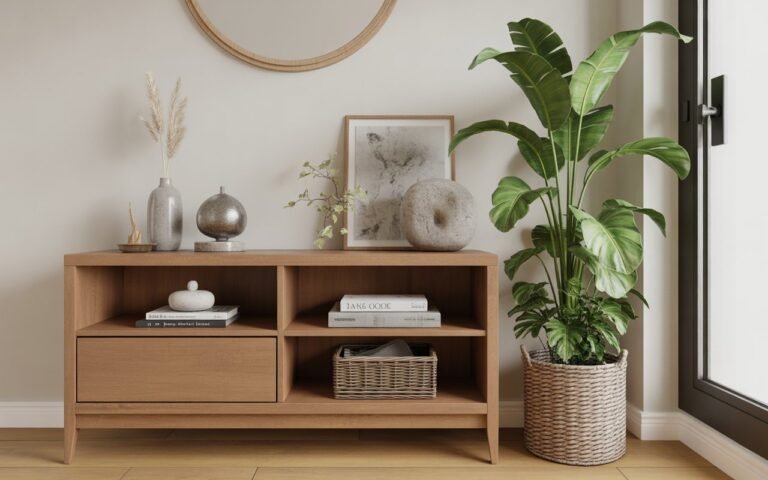
Every item in a Japandi living room should serve a purpose. Instead of filling shelves, focus on a few meaningful pieces—ceramics, books, or handcrafted decor.
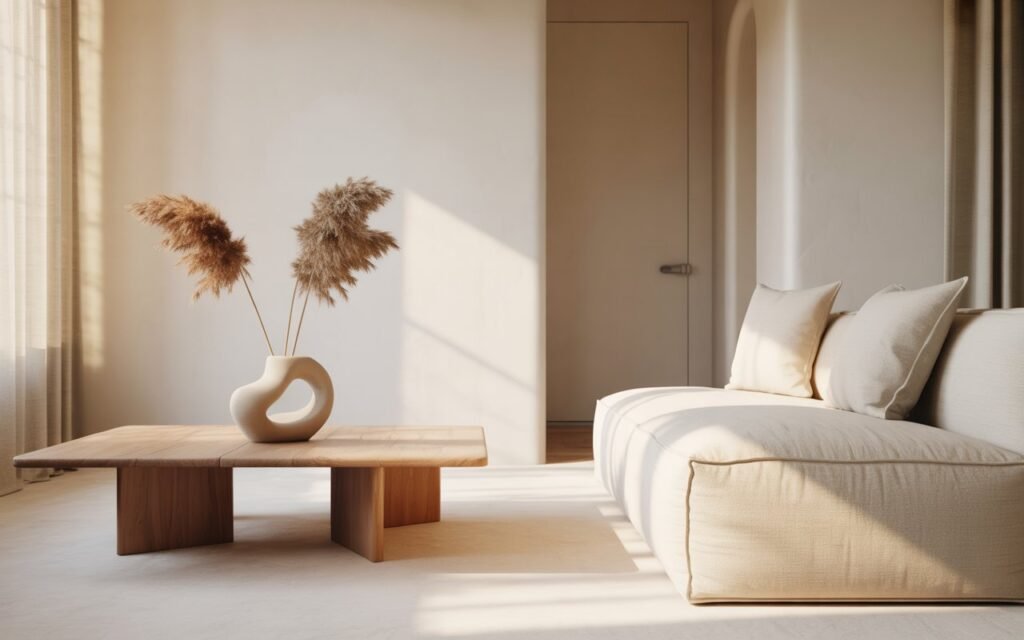
5. Soft, Layered Textures
Balance minimalism with comfort by layering soft textures like linen, cotton, and wool. This adds depth without cluttering the space.
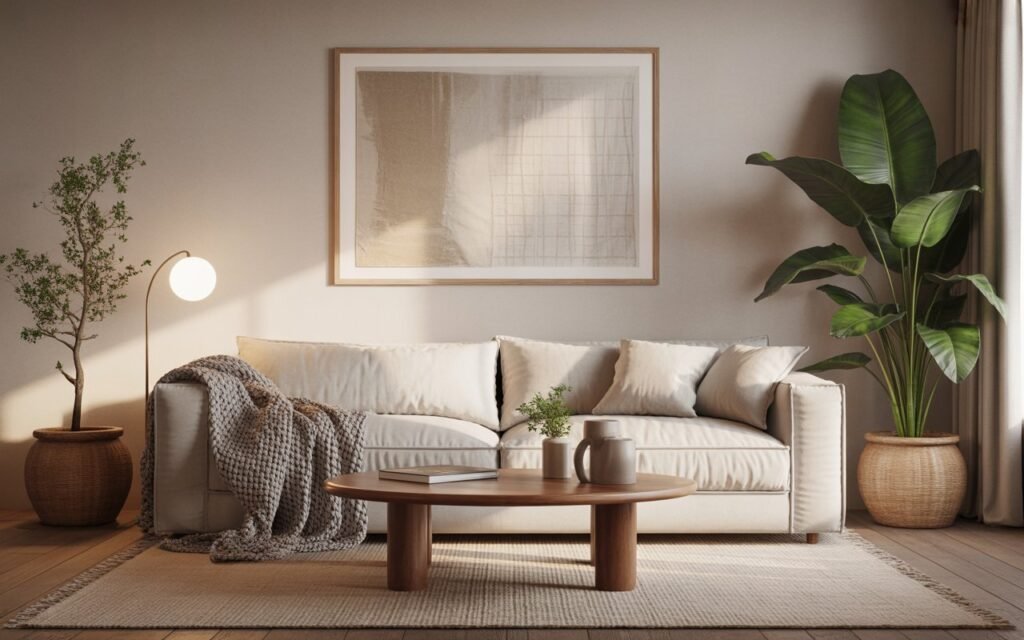
6. Indoor Plants for Organic Life
A touch of greenery brings life into a calm setting. Choose simple plants like bonsai, olive trees, or snake plants to maintain the minimalist aesthetic.
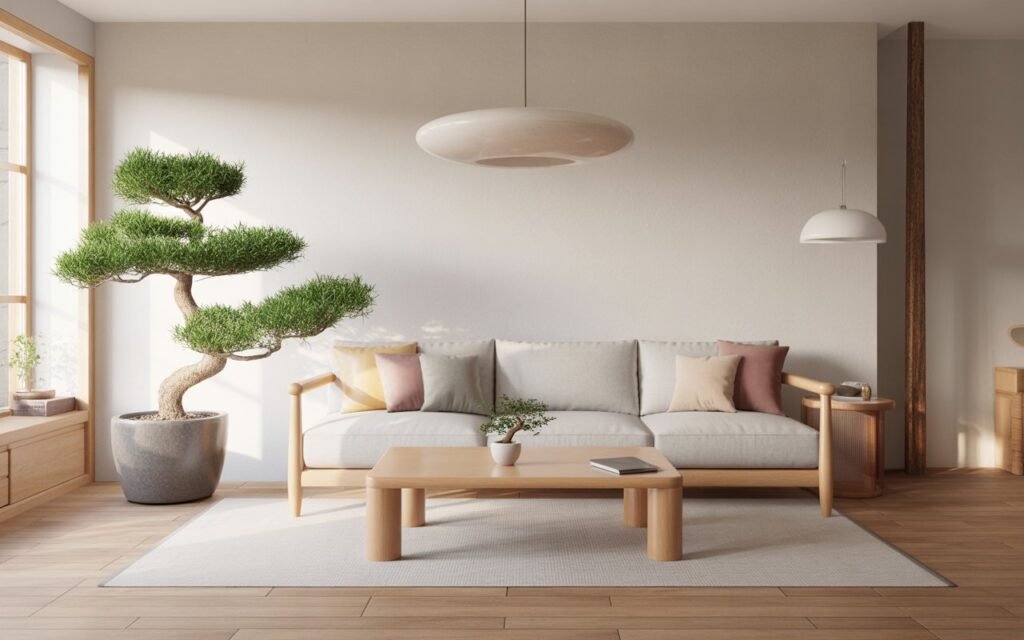
7. Clean Lines and Simple Forms
Furniture and decor should have clean, uncomplicated shapes. Avoid overly decorative or ornate designs.
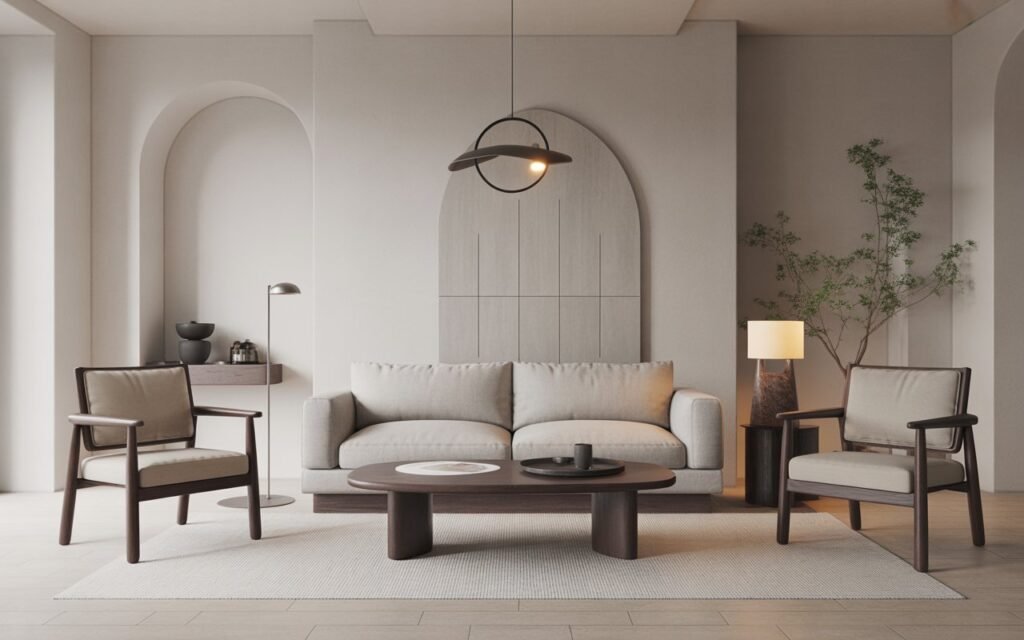
8. Decluttered and Open Space
Negative space is a key element of Japandi design. Leaving areas empty allows the room to breathe and feel more peaceful.
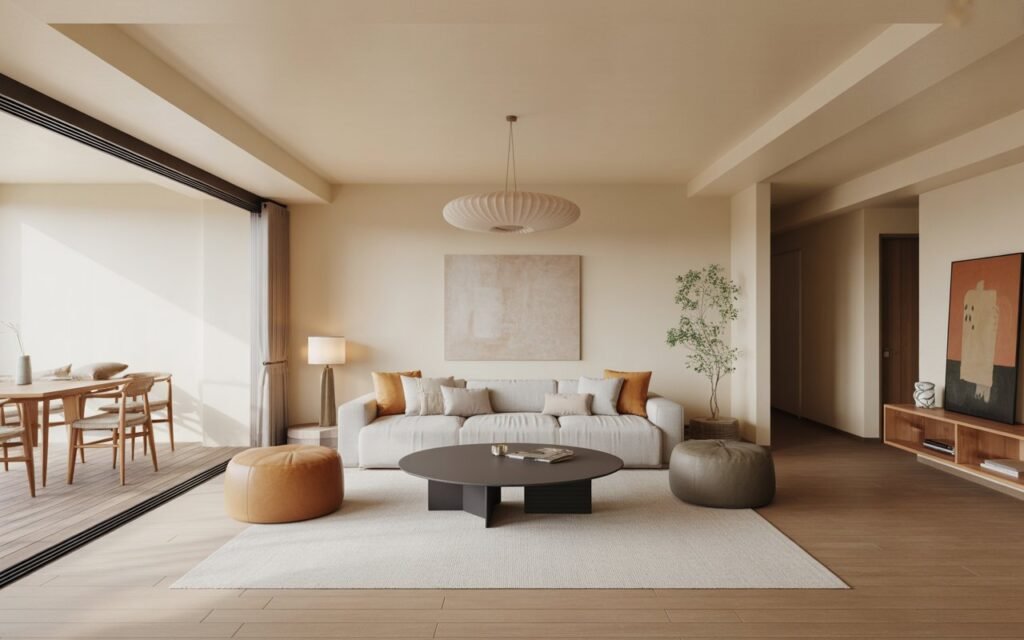
9. Functional Storage Solutions
Hidden storage helps maintain a clean look. Use built-in cabinets or minimal shelves to keep clutter out of sight.
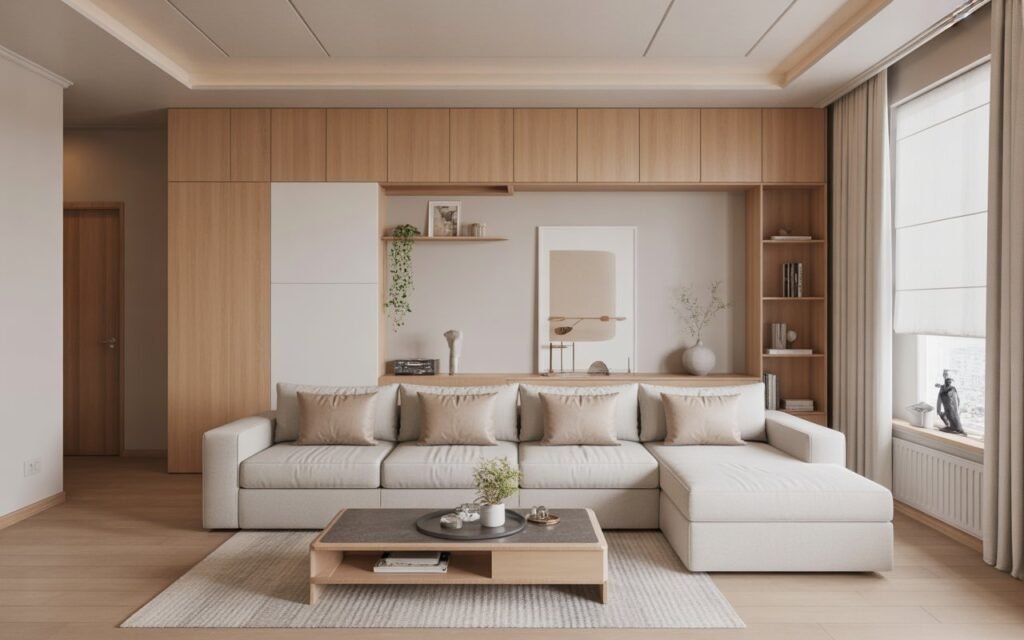
10. Soft Natural Lighting
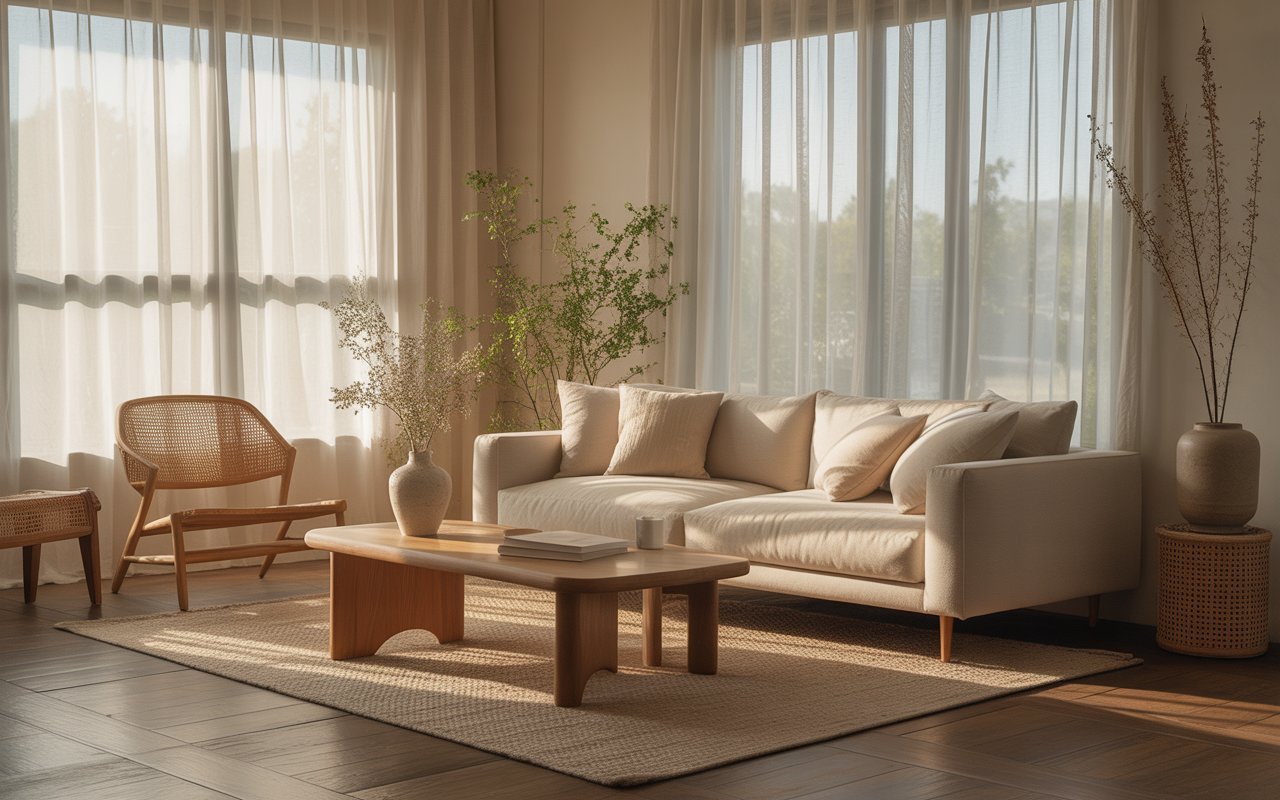
Light plays a huge role in Japandi interiors. Use sheer curtains to allow soft sunlight to fill the room naturally.
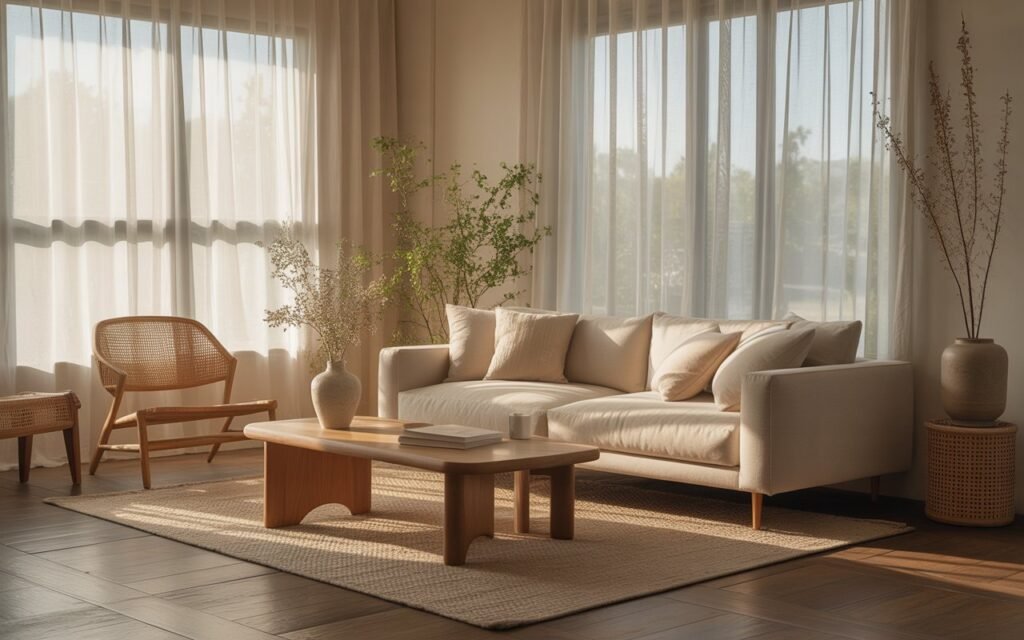
11. Neutral Rugs with Subtle Texture
A simple rug can anchor the space without overpowering it. Choose neutral tones with soft textures for added comfort.
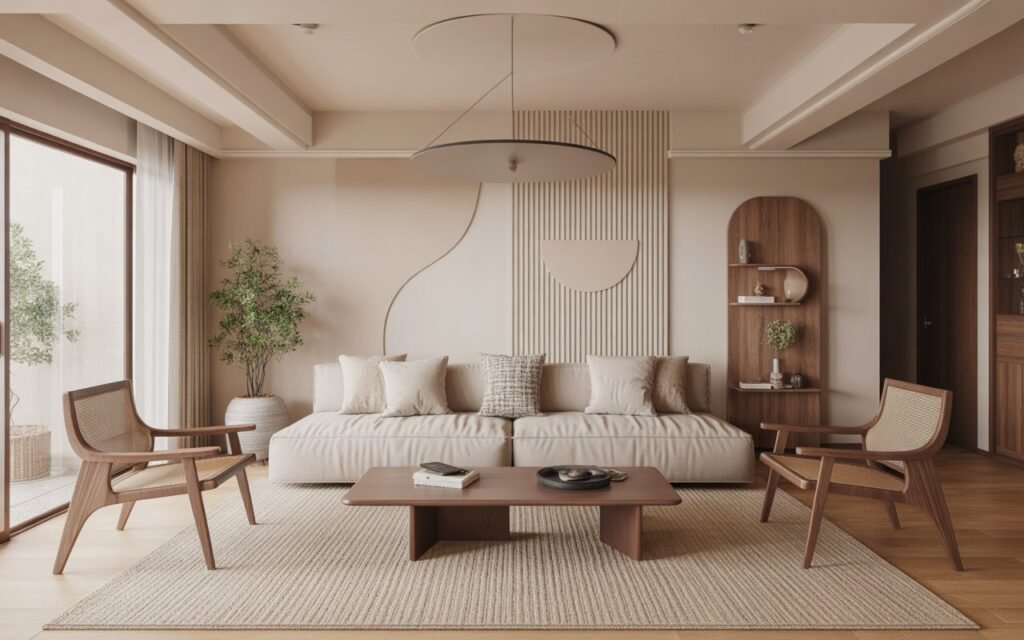
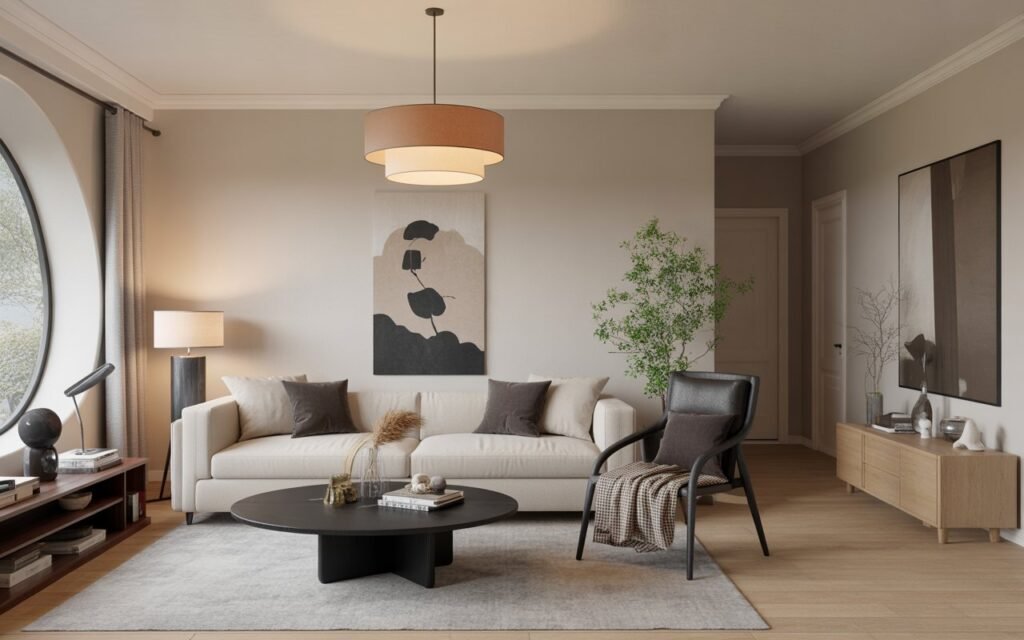
12. Black Accents for Contrast
While Japandi is mostly neutral, small black accents can add depth and definition. Think slim frames, lamps, or decor pieces.
13. Handmade and Artisan Decor
Handcrafted items add authenticity and warmth. Ceramic vases or wooden bowls fit perfectly into Japandi spaces.
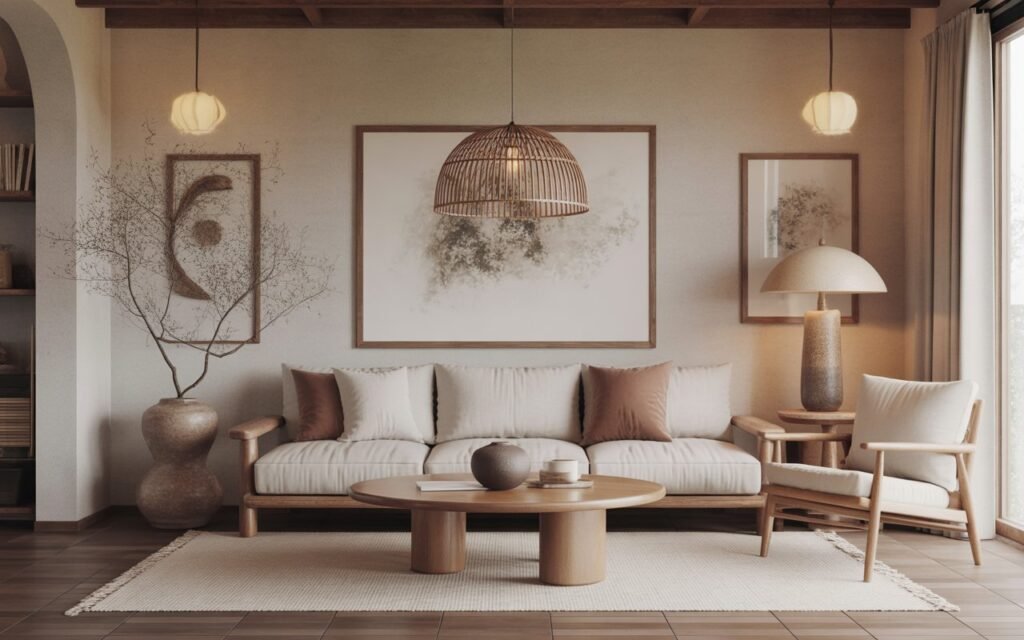
14. Cozy Seating with Simple Design
Comfort is still important. Choose sofas with clean lines but soft cushions to balance minimalism with coziness.
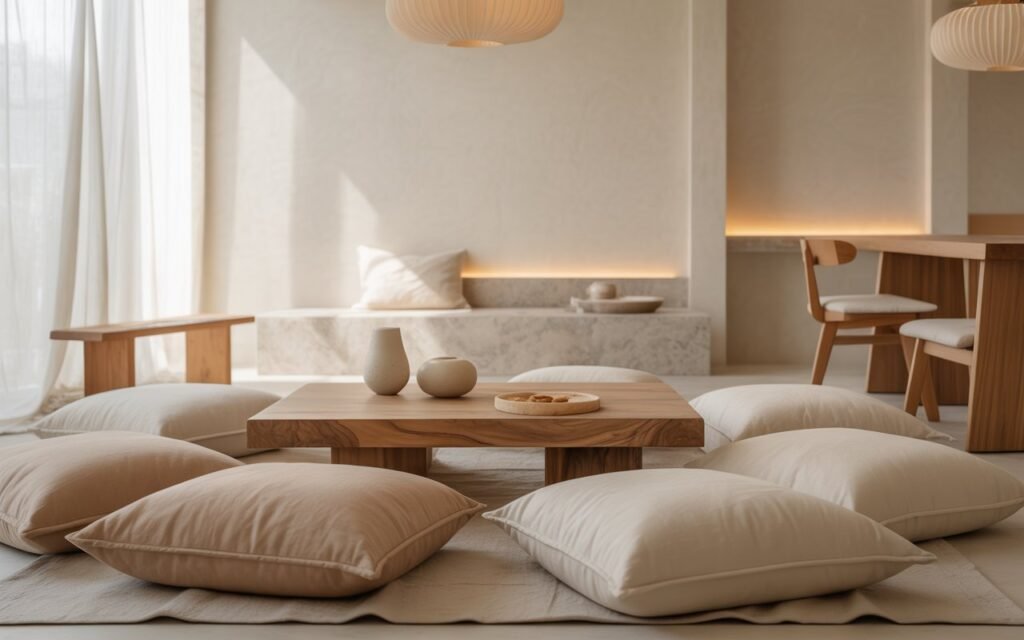
15. Open Shelving with Intentional Styling
If you use shelves, keep them minimal. Display only a few carefully selected items to maintain a clean look.
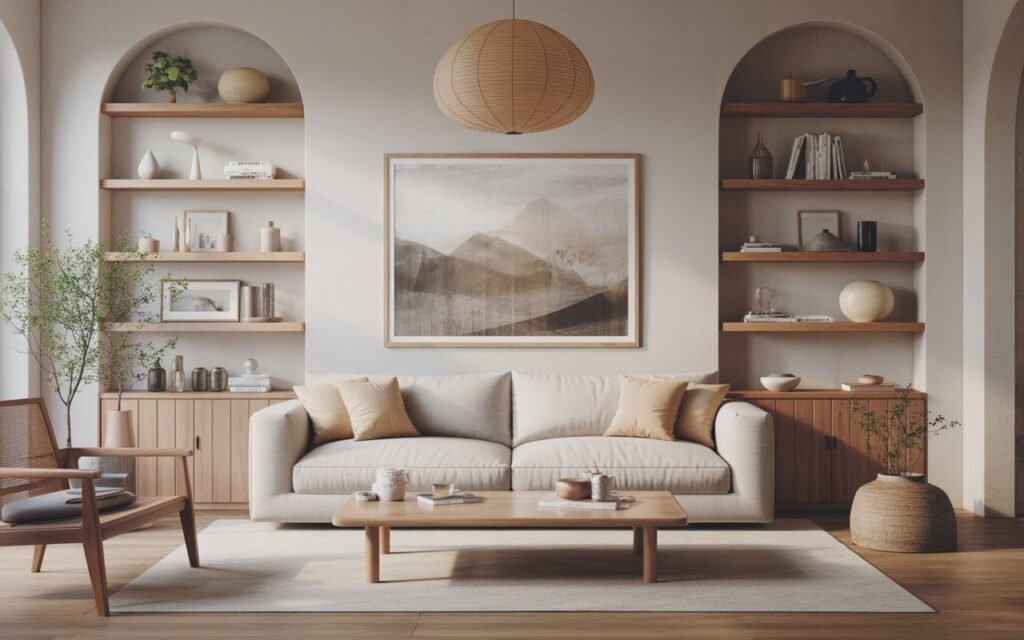
16. Calm Wall Art and Textures
Choose subtle artwork—abstract prints, nature-inspired pieces, or textured wall panels that complement the overall tone.
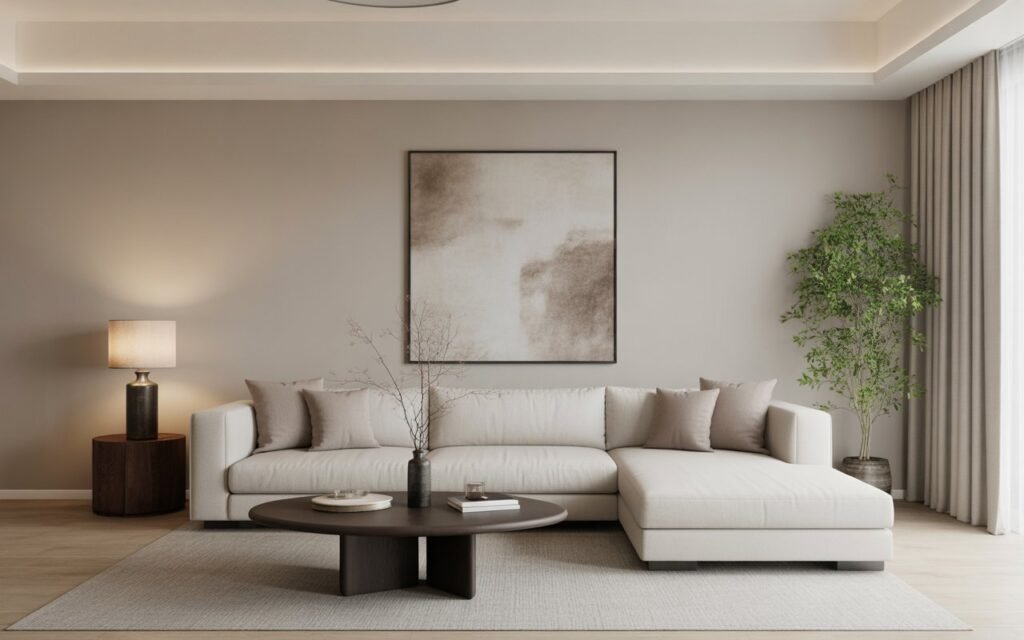
17. Balanced Layout with Flow
Japandi design is all about balance. Arrange furniture in a way that feels natural and allows easy movement through the space.
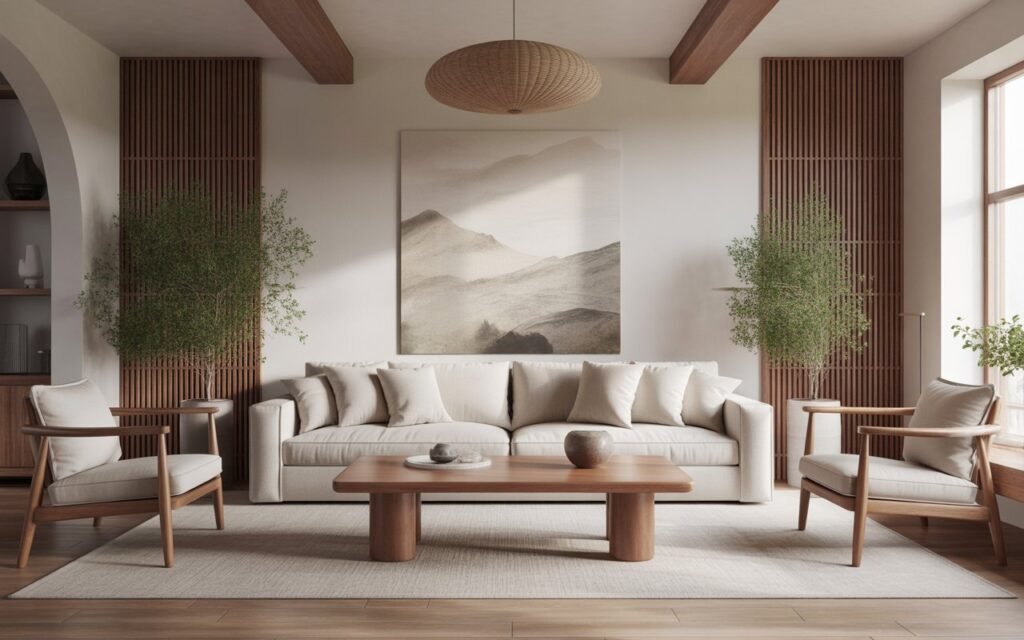
How to Create a Japandi Living Room (Quick Guide)
To truly apply these Japandi living room ideas, focus on:
- Less but better: Quality over quantity
- Natural materials: Wood, linen, ceramics
- Soft tones: Keep colors muted and warm
- Intentional design: Every piece should have meaning
Conclusion
Japandi design isn’t just a trend—it’s a lifestyle rooted in simplicity, balance, and mindful living. These Japandi living room ideas show that you don’t need excess to create beauty.
By focusing on natural elements, soft textures, and intentional design, you can transform your living room into a peaceful sanctuary that feels both modern and timeless.