Introduction
A home should be more than just a place to live—it should be a space where you feel relaxed, safe, and truly at ease. That’s exactly what the concept of a hygge living room is all about. Rooted in Danish culture, hygge focuses on creating a warm, cozy atmosphere that encourages comfort, connection, and simple pleasures.
Unlike overly styled interiors, a hygge-inspired space doesn’t aim for perfection. Instead, it embraces softness, warmth, and a lived-in feel. It’s about dim lighting, soft textures, calming colors, and a layout that invites you to slow down and enjoy the moment.
If you’ve been craving a living room that feels calm, welcoming, and effortlessly cozy, these hygge living room ideas will help you create a space you’ll never want to leave.
1. Start with a Soft Neutral Base
A hygge living room begins with a calming foundation.
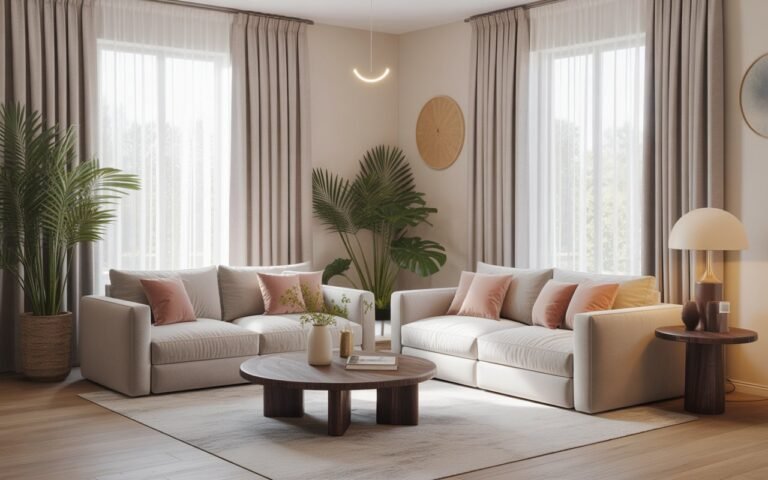
Choose neutral tones like warm white, beige, soft grey, or muted earth shades. These colors create a peaceful backdrop that instantly makes the space feel more open and relaxing. Avoid overly bright or harsh tones, as they can disrupt the cozy atmosphere.
2. Layer with Cozy Textiles
Textures are at the heart of hygge design.
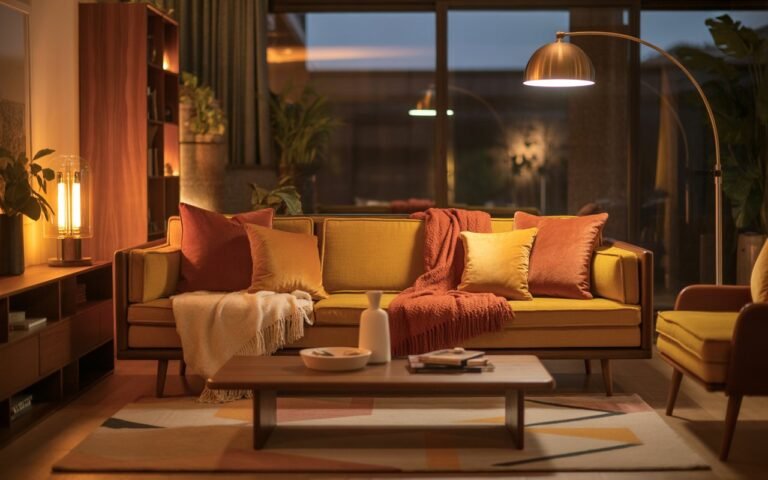
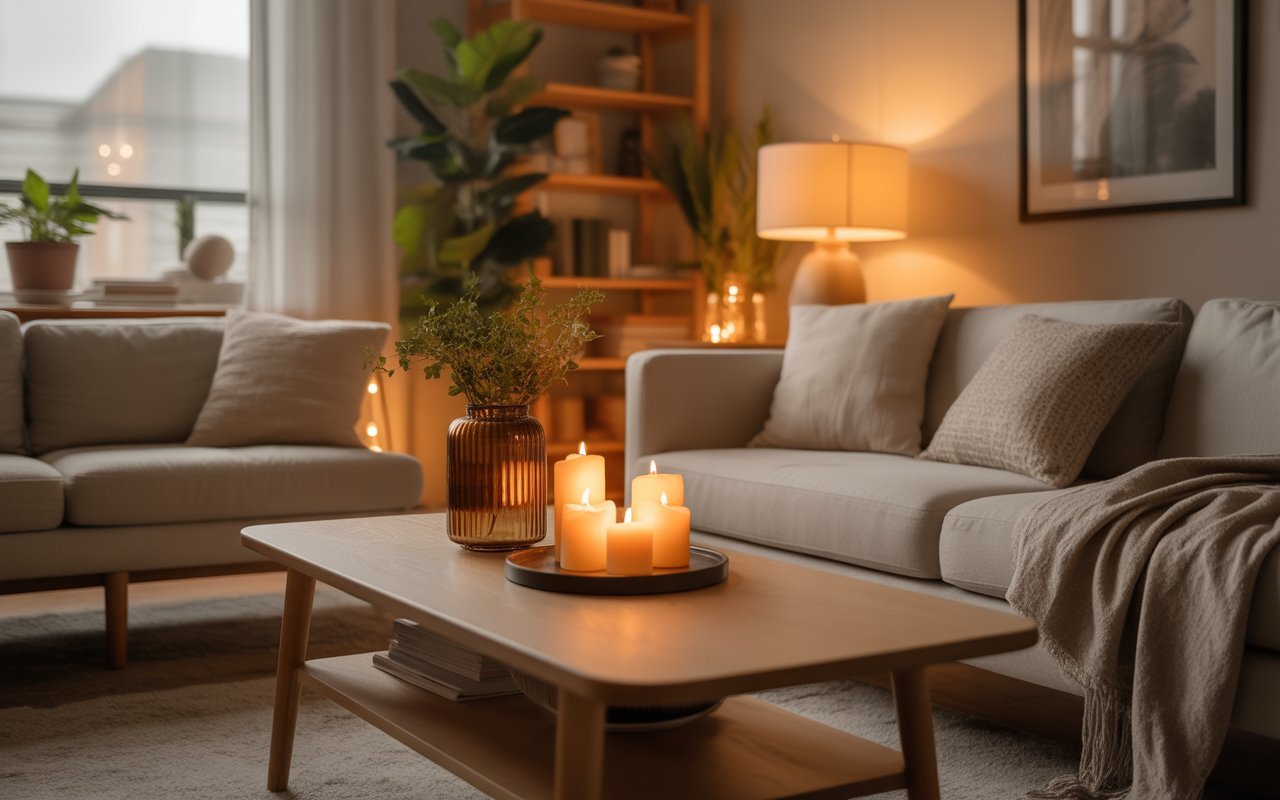
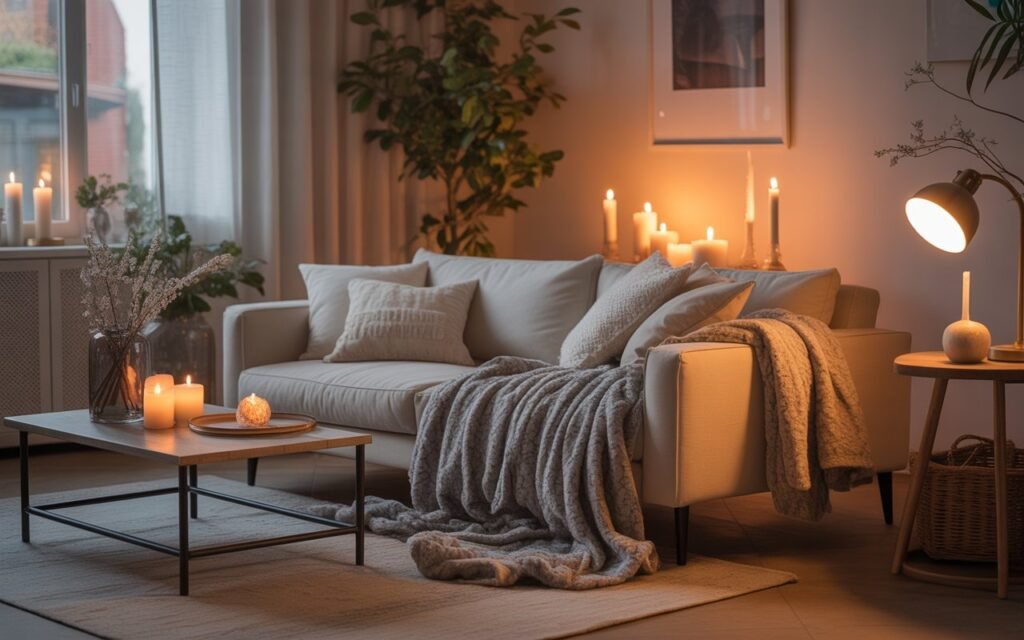
Add soft throw blankets, plush cushions, and layered rugs. Mix materials like wool, knit, linen, and faux fur to create depth and warmth. The goal is to make your living room feel inviting and comfortable at every touchpoint.
3. Use Warm, Ambient Lighting
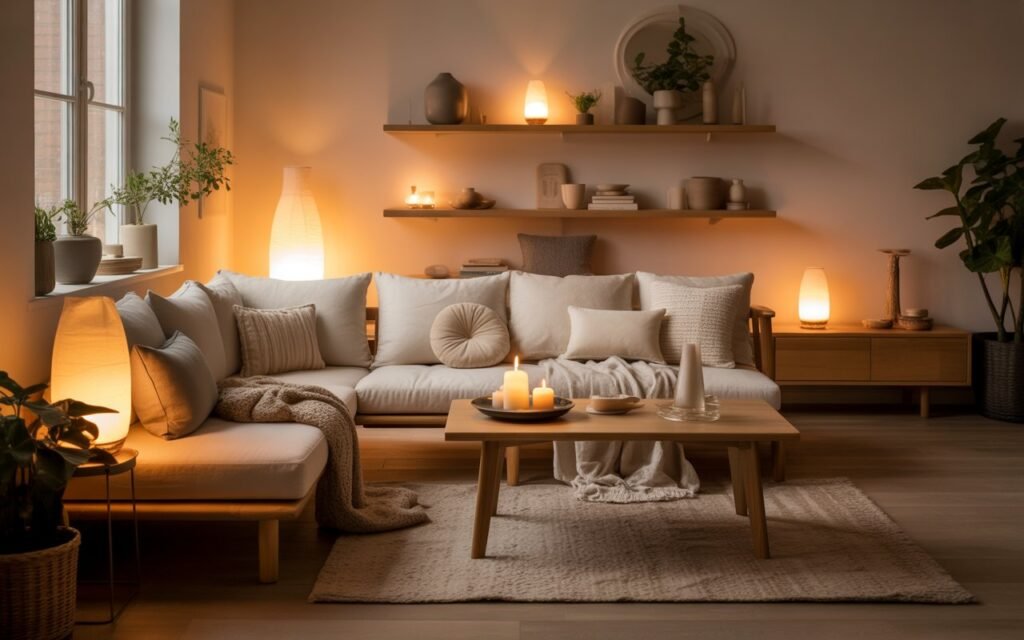
Lighting is one of the most important elements in a hygge space.
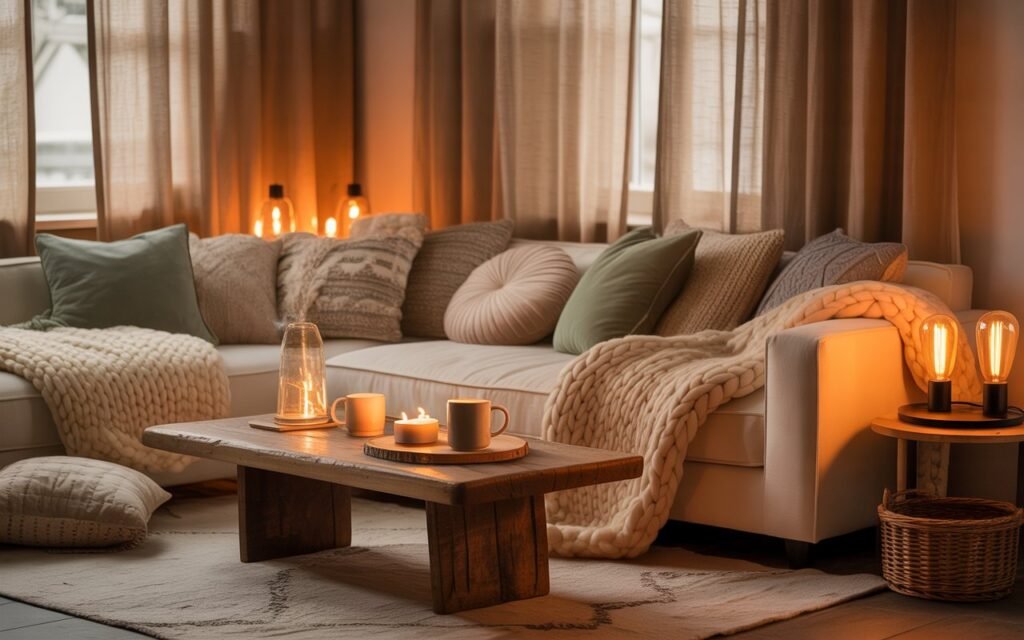
Replace harsh overhead lights with warm, soft lighting. Use table lamps, floor lamps, or string lights to create a gentle glow. This instantly transforms the mood of your living room into something calm and intimate.
4. Incorporate Candles for a True Hygge Feel
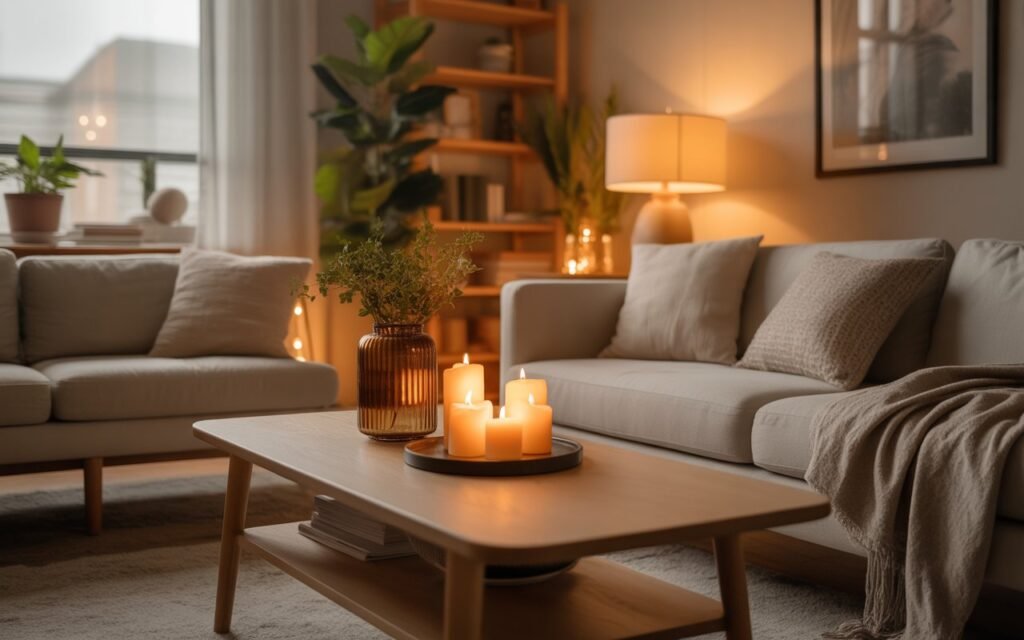
Nothing defines hygge better than candles.
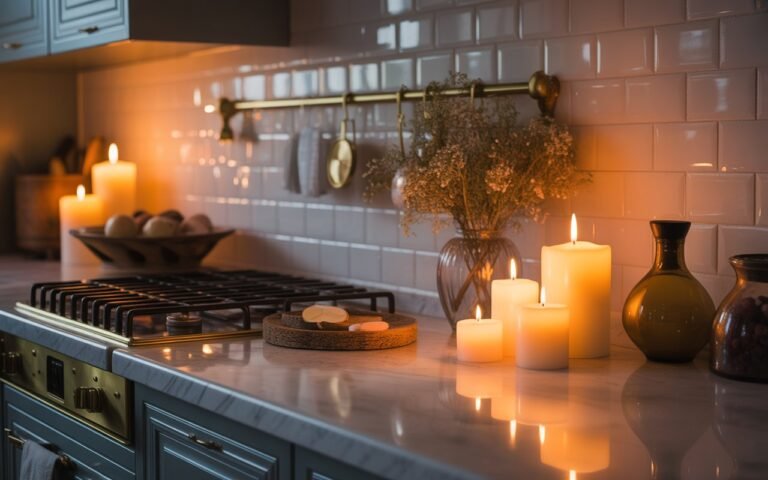
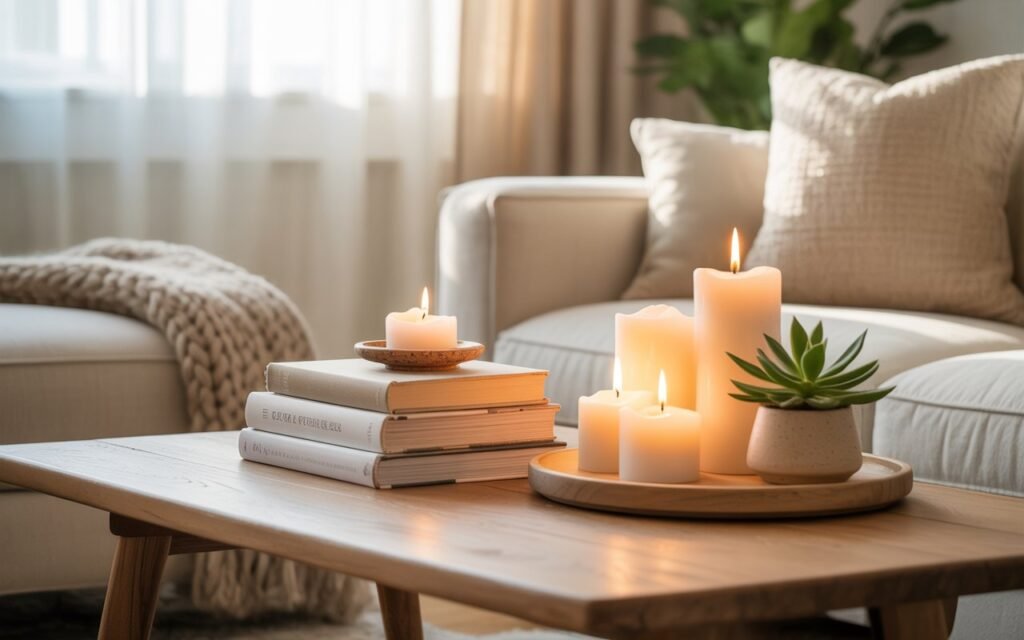
Place candles on coffee tables, shelves, or window sills. Their soft flicker adds warmth and creates a peaceful, cozy vibe—perfect for relaxing evenings.
5. Choose Comfortable, Inviting Furniture
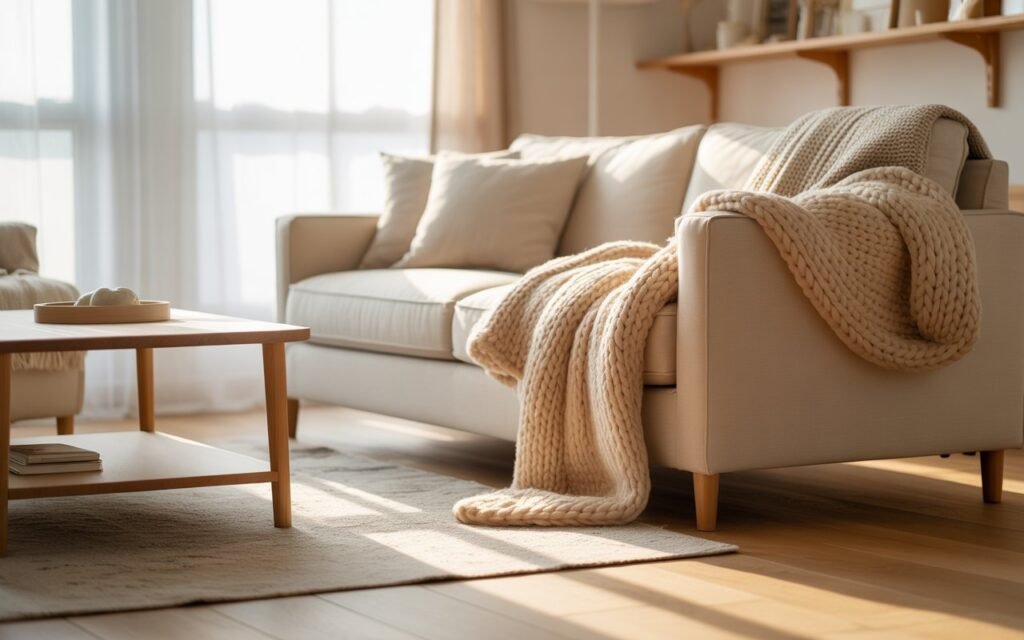
Your furniture should prioritize comfort over style.
Opt for deep sofas, soft armchairs, and pieces that encourage you to sit back and relax. A hygge living room should feel like a space you can truly unwind in.
6. Add Natural Materials
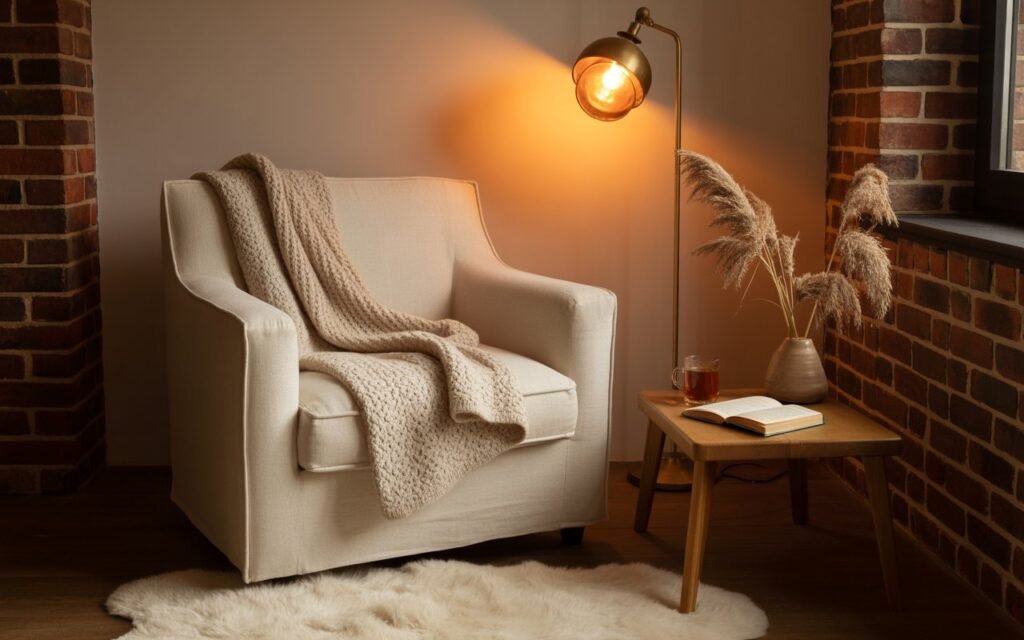
Bring nature indoors with wood, stone, and organic textures.
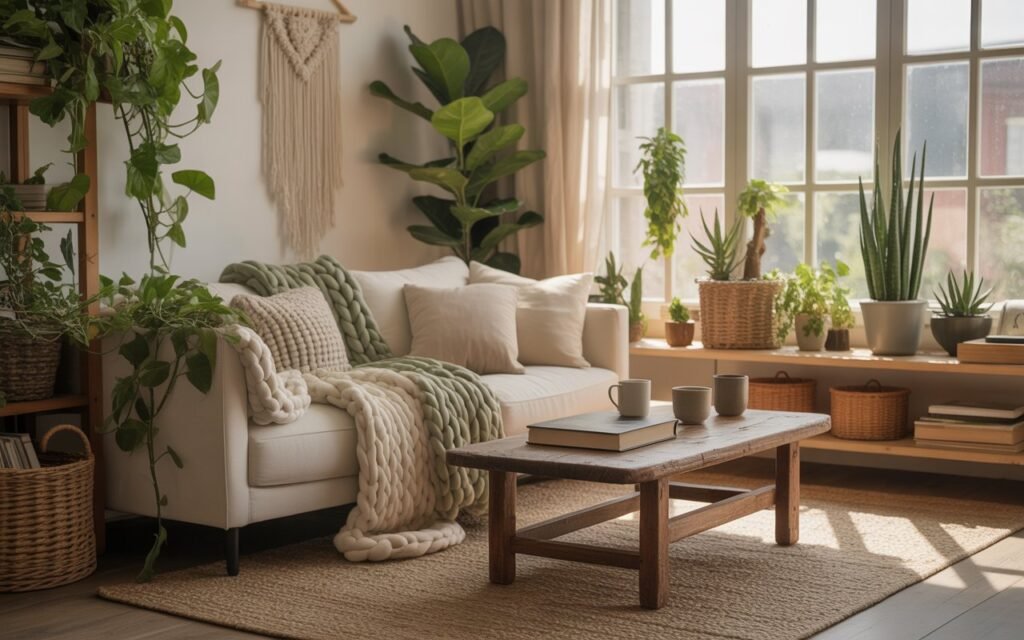
Wooden furniture, woven baskets, and natural decor elements add warmth and balance. These materials help create a grounded and calming environment.
7. Keep the Layout Intimate
Arrange your furniture to encourage closeness and conversation.
Instead of spreading everything out, create a cozy seating area where people can gather comfortably. This enhances the feeling of connection and warmth.
8. Use a Soft Area Rug
A large, soft rug can completely change the feel of your living room.
It adds warmth underfoot and helps define your space, making it feel more cohesive and inviting.
9. Add Personal Touches
Hygge is about creating a space that feels personal.
Display books, photos, or meaningful decor items that reflect your personality. This makes your living room feel lived-in and authentic.
10. Incorporate Indoor Plants
Plants bring life and freshness into your space.
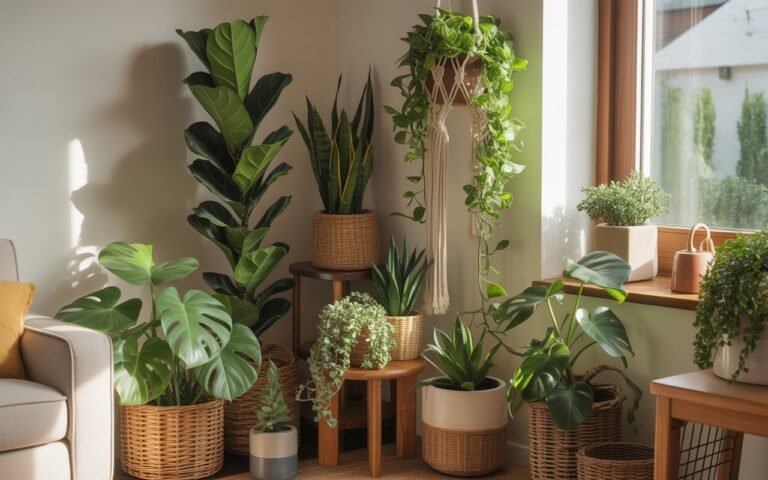
Even a few small plants can make your living room feel more relaxed and connected to nature.
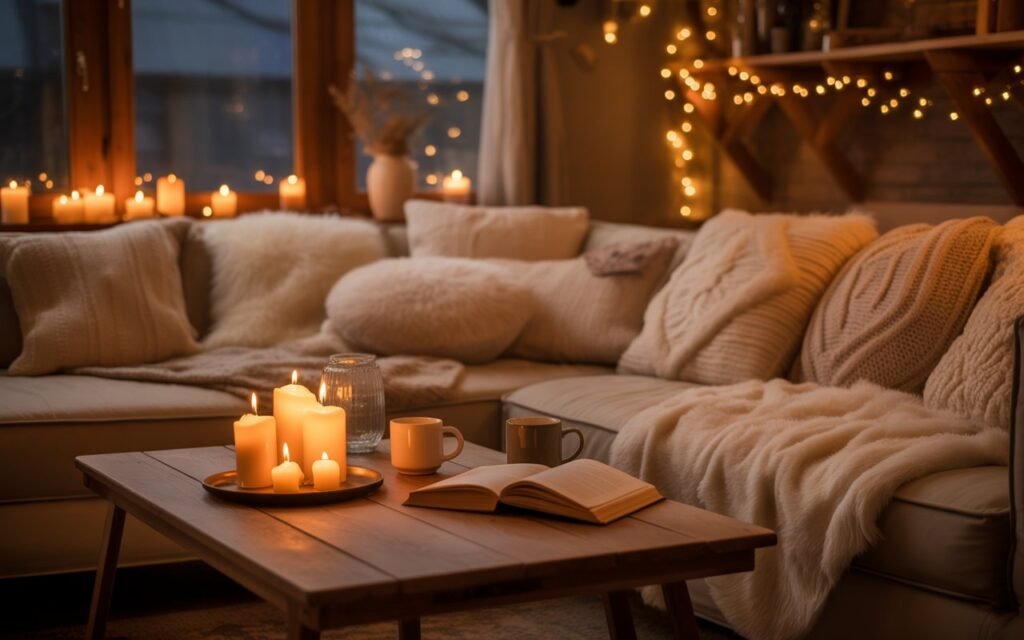
11. Use Curtains to Soften the Space
Soft curtains help filter natural light and add texture.
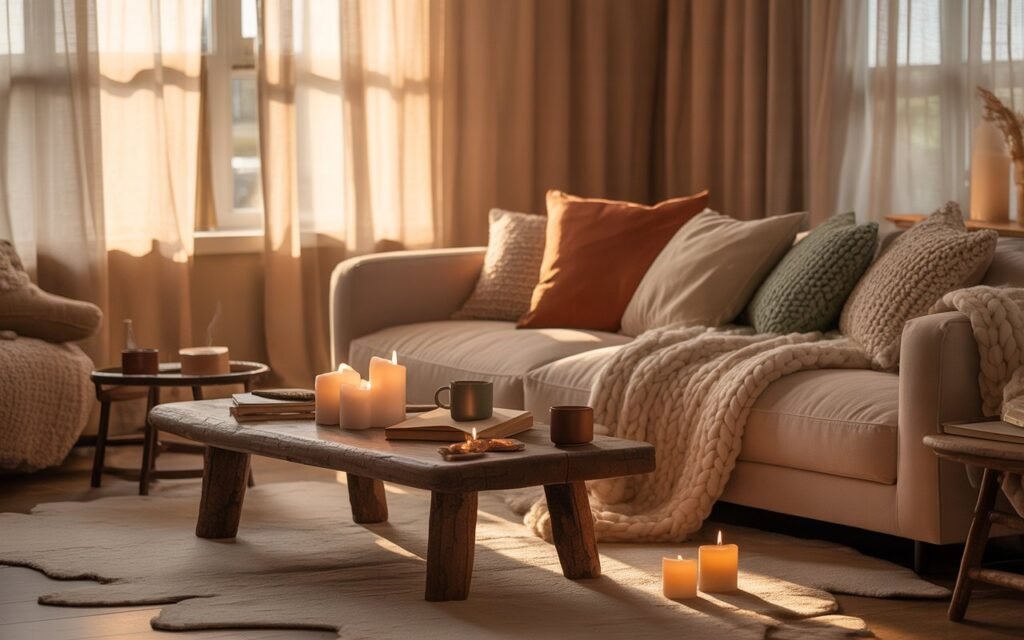
Choose light, flowing fabrics that enhance the cozy feel without blocking too much light.
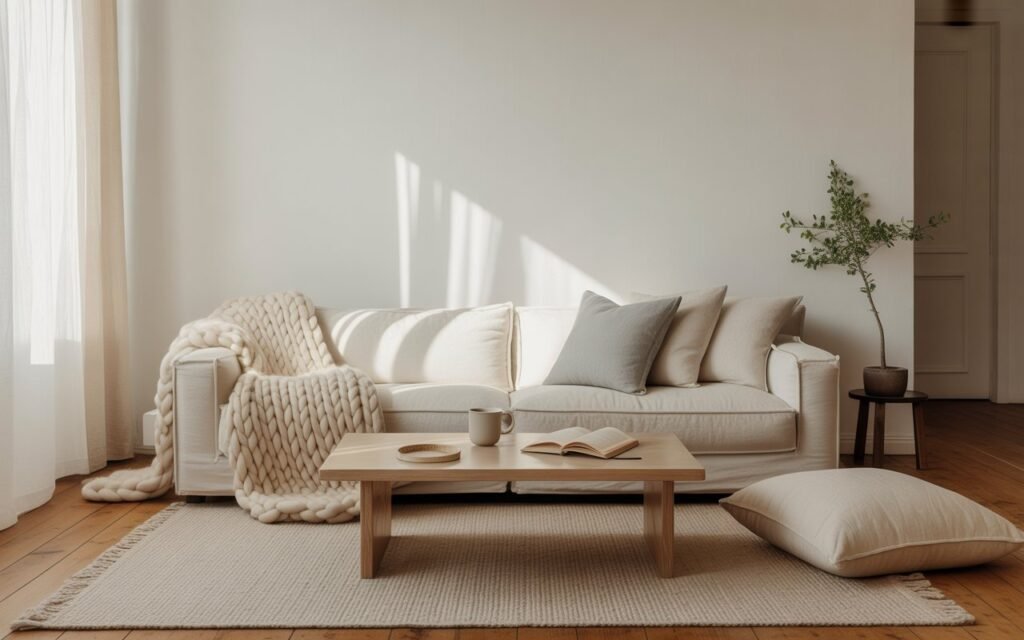
12. Keep Decor Minimal but Meaningful
Avoid clutter, but don’t make your space feel empty.
Choose a few carefully selected decor pieces that add warmth and character without overwhelming the room.
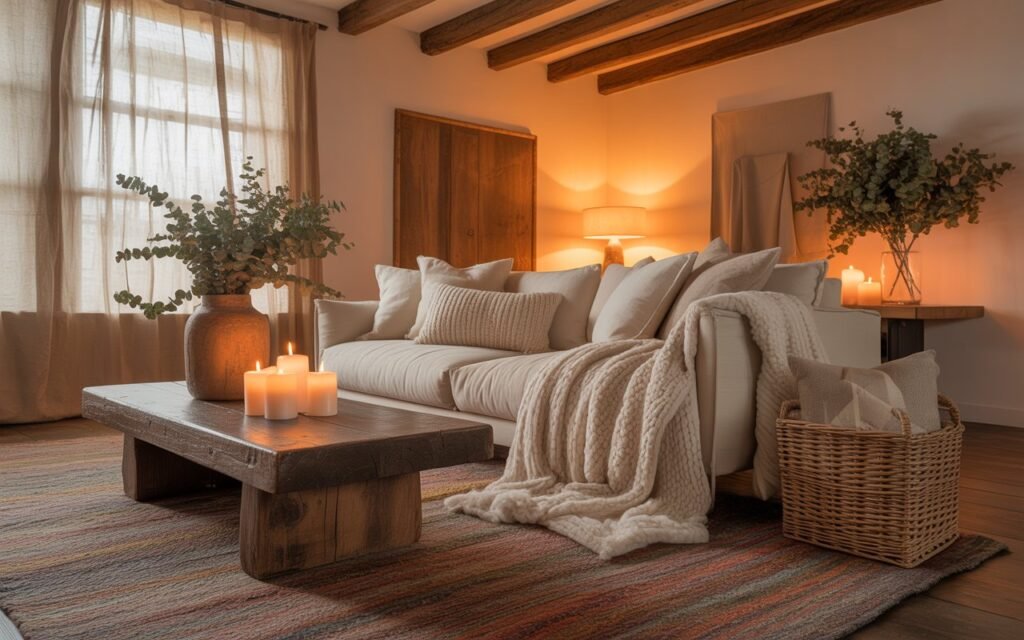
13. Add a Coffee Table Styling Moment
Style your coffee table with a few simple items.
A stack of books, a candle, and a small plant can create a beautiful focal point while maintaining a clean look.
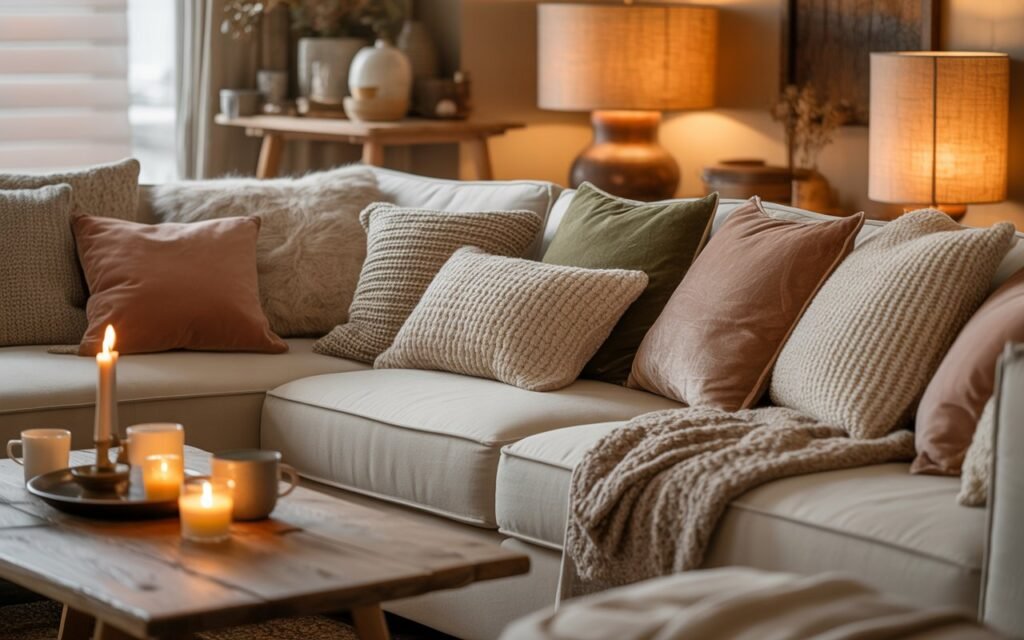
14. Create a Cozy Reading Corner
Design a small corner for relaxation.
Add a comfortable chair, a soft blanket, and a lamp. This becomes your personal retreat within the living room.
15. Use Warm Color Accents
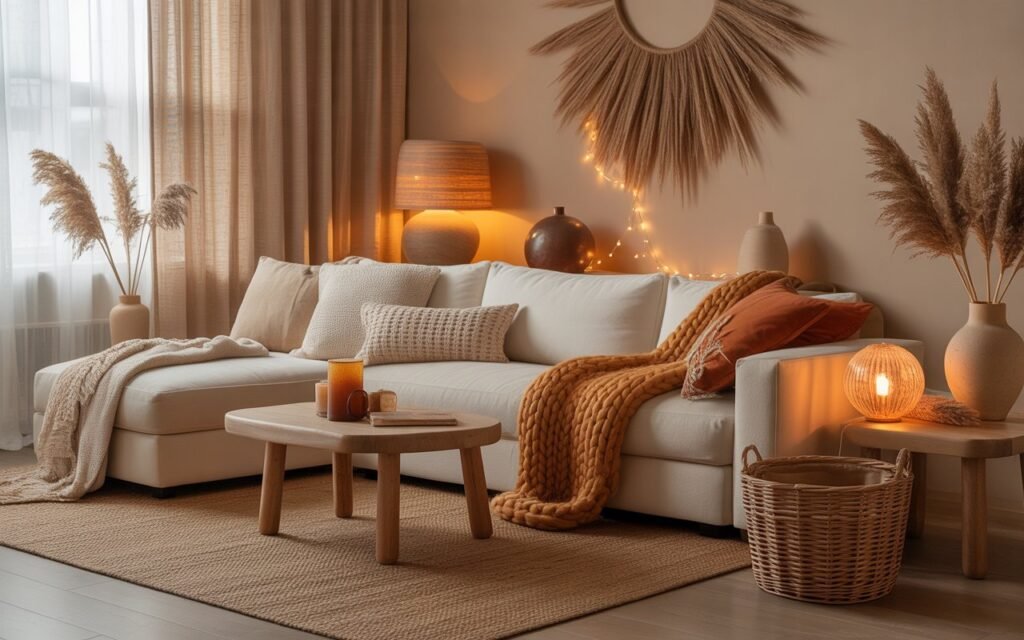
Even in a neutral space, small warm accents can enhance the cozy vibe.
Think soft browns, muted greens, or warm beige tones in cushions and decor.
16. Embrace Imperfection
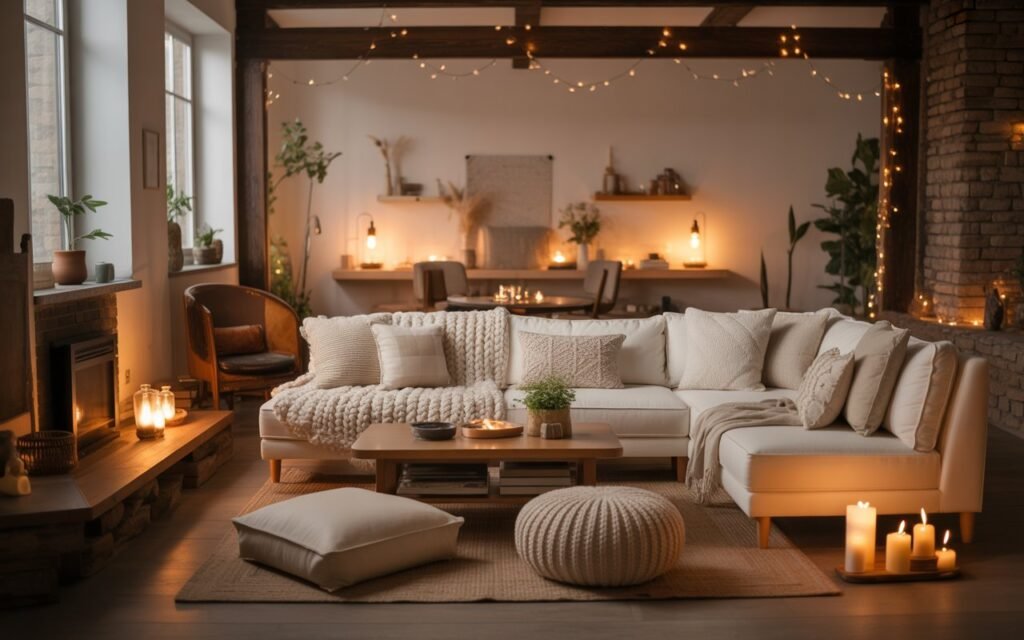
Hygge is not about perfection—it’s about comfort.
Don’t worry if everything doesn’t match perfectly. A slightly imperfect, lived-in look often feels more inviting.
17. Focus on Feeling, Not Just Design
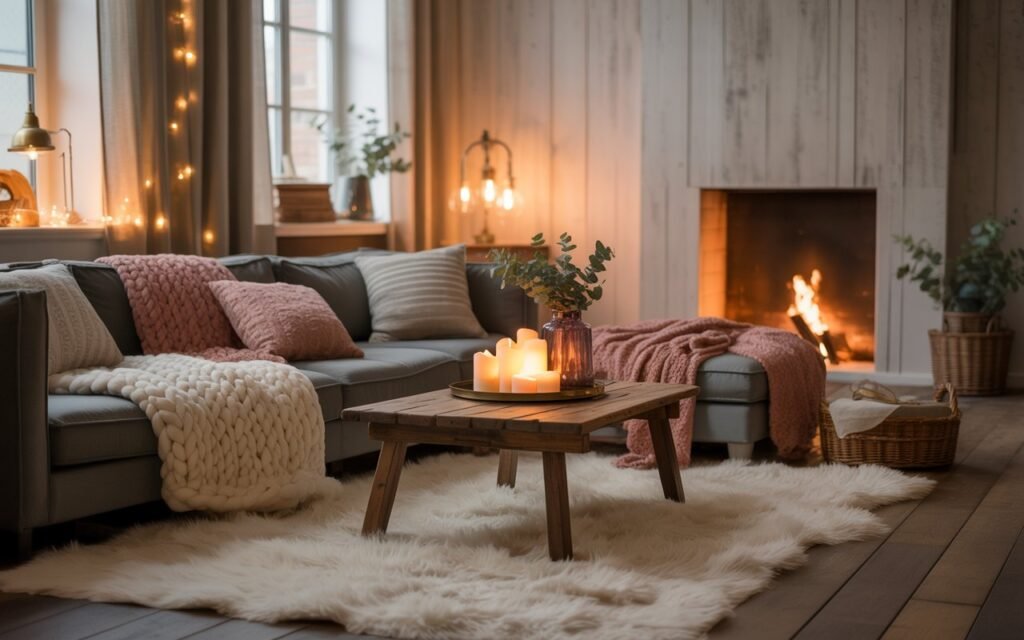
At its core, hygge is about how your space makes you feel.
Create a living room that encourages you to slow down, relax, and enjoy simple moments—whether it’s reading a book, having tea, or spending time with loved ones.
Conclusion
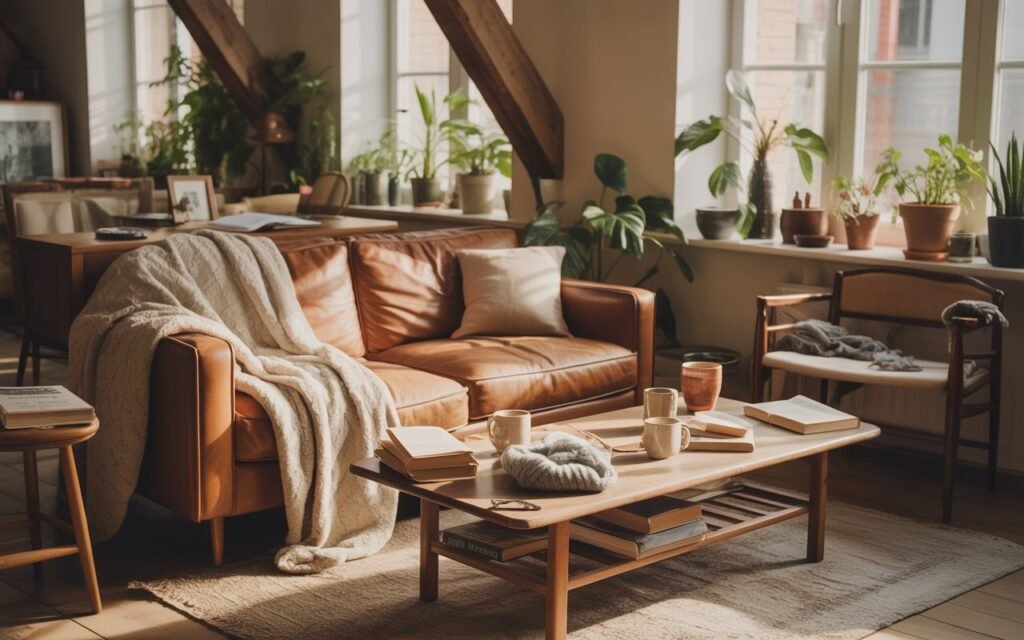
A hygge living room isn’t just a design style—it’s a lifestyle choice. It invites you to step away from the fast pace of everyday life and create a space where comfort and calmness take priority.
By focusing on soft lighting, cozy textures, and meaningful details, you can transform even the simplest room into a warm and inviting retreat. The beauty of hygge lies in its simplicity—small changes can have a big impact on how your space feels.
Start with a few elements, trust your instincts, and gradually build a living room that feels like your personal sanctuary. In the end, it’s not about creating a perfect space—it’s about creating a space that feels like home.