Introduction
Curtains are not just fabric hanging on windows. In a living room, they function as a visual frame for the entire space. They control natural light, define wall height, influence color balance, and even affect how expensive or modern a room feels.
Most people choose curtains based only on color or trend, but the real impact comes from fabric behavior, hanging height, layering style, and interaction with furniture and light. A poorly chosen curtain can make a beautifully designed room feel flat or outdated, while the right choice can elevate even a simple space into something visually premium.
This guide focuses on real design thinking—not just inspiration. Each idea explains what to use, why it works, and how it affects the room visually and functionally.
1. Sheer Curtains That Maximize Natural Light Without Losing Privacy
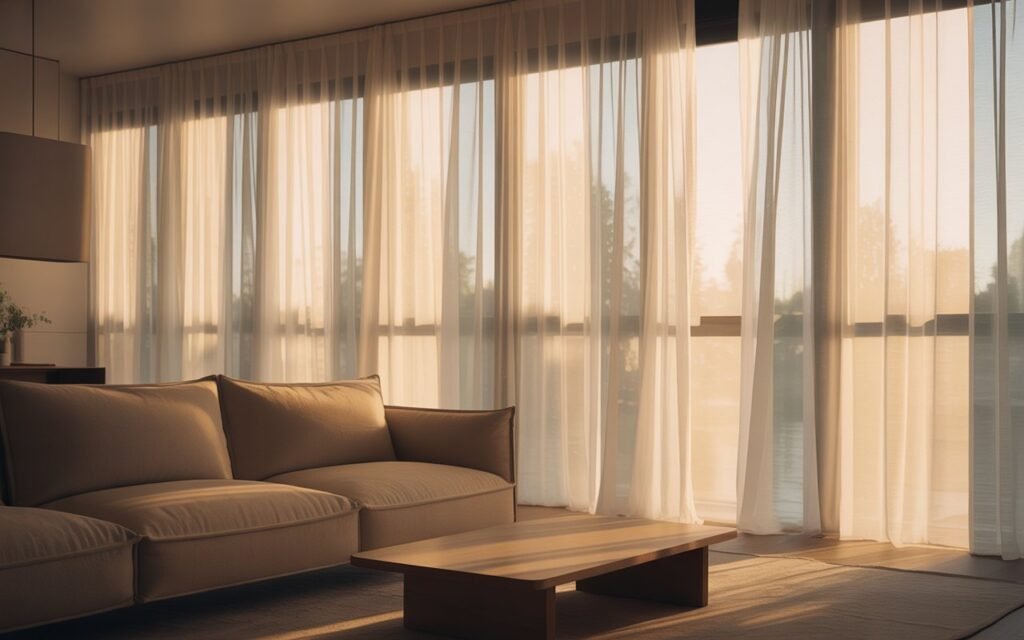
Sheer curtains are ideal when you want a soft, diffused light effect in the living room. Instead of blocking sunlight, they filter it, creating a calm glow across the space.
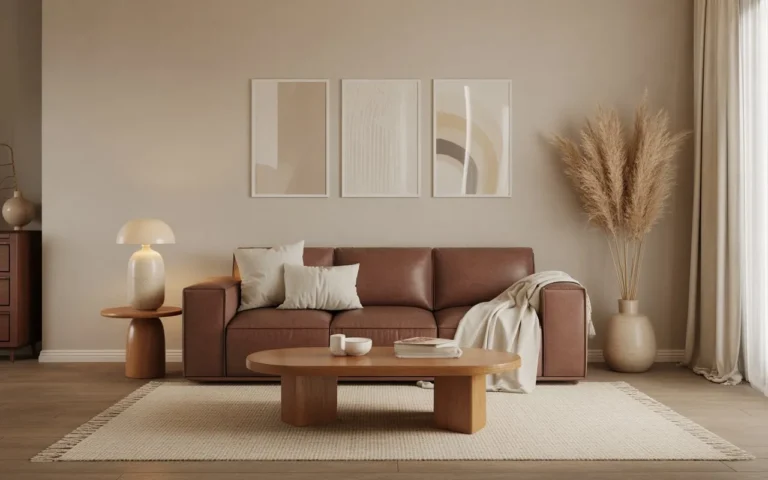
In modern interiors, sheer curtains are often used as the base layer. They allow you to maintain privacy during the day while keeping the room visually open. When paired with neutral walls and light furniture, they create a breathable, airy atmosphere that feels larger than it actually is.
This works especially well in apartments where natural light is limited or uneven.
2. Floor-to-Ceiling Curtains That Visually Increase Room Height
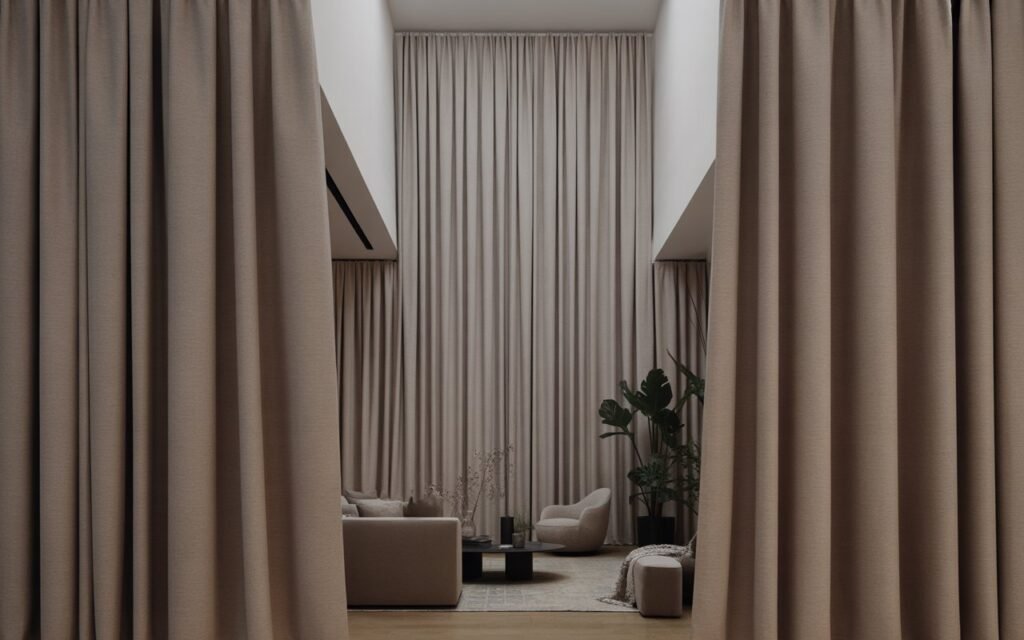
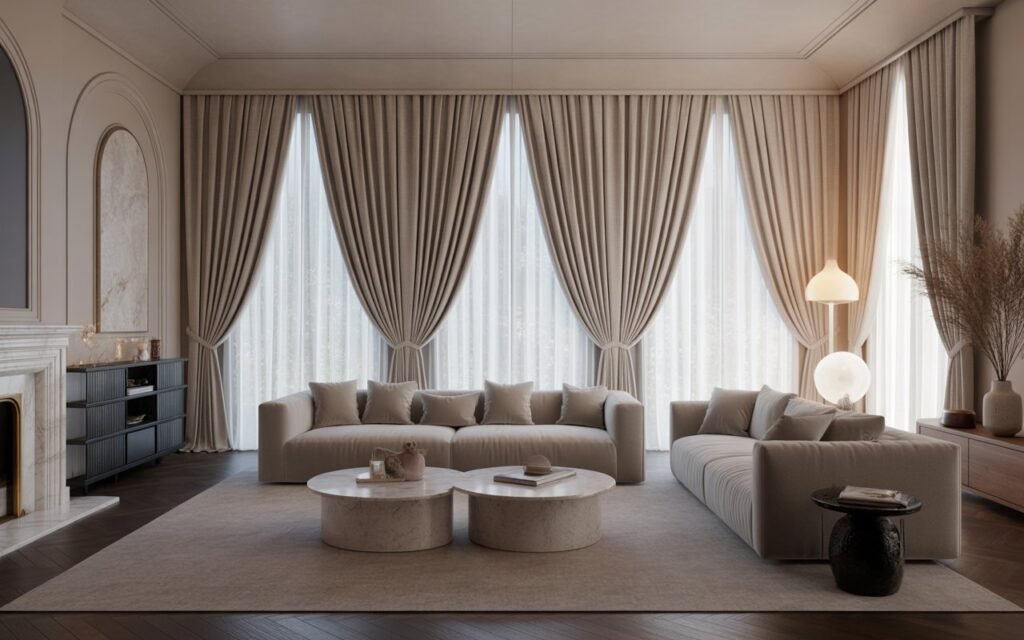
One of the most effective interior tricks is hanging curtains from ceiling level instead of window frame level. This changes the perceived proportions of the room.
When curtains start higher and fall all the way to the floor, they create a continuous vertical line. This naturally draws the eye upward, making ceilings feel taller and the space more elegant.
This technique is especially useful in small living rooms where height perception is limited.
3. Linen Curtains for a Soft, Natural and Timeless Look
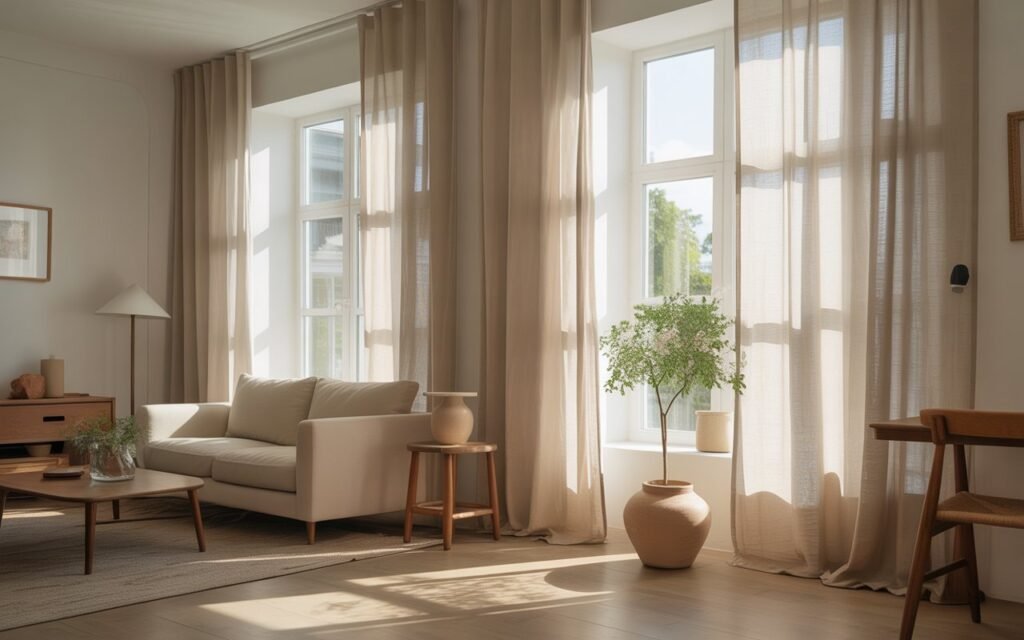
Linen curtains bring a grounded and organic feel to a living room. Unlike synthetic fabrics, linen has a natural texture that adds depth without needing patterns or heavy design elements.
In modern homes, linen curtains are often used to create a relaxed aesthetic. They pair beautifully with wood furniture, neutral sofas, and minimal decor. The slightly imperfect drape of linen also adds authenticity, making the space feel lived-in rather than staged.
4. Velvet Curtains for a Rich and Luxurious Atmosphere
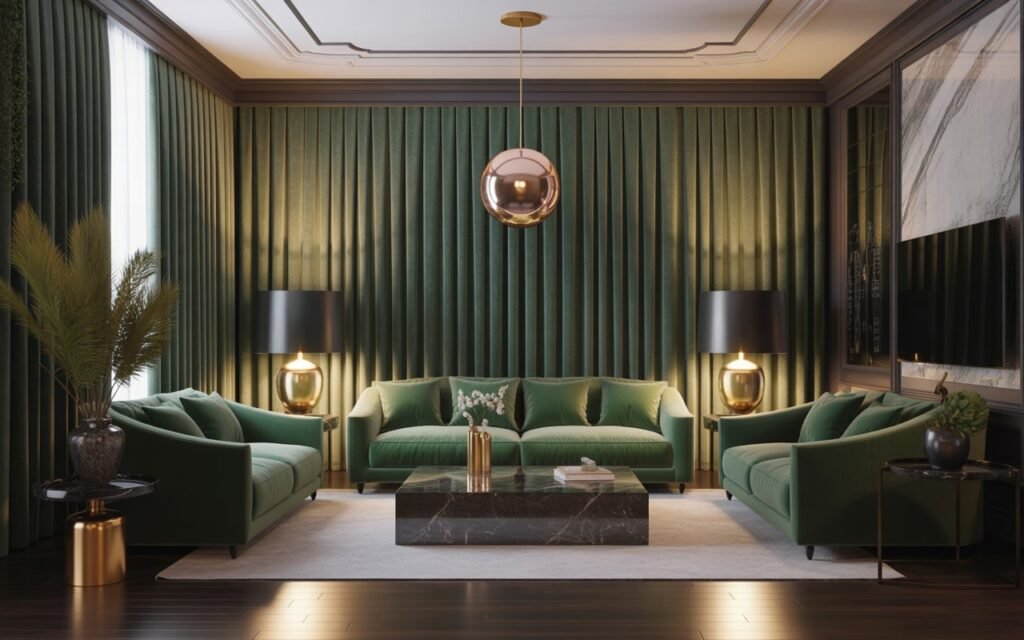
Velvet curtains immediately introduce a sense of luxury. The dense fabric absorbs light, creating a dramatic and cozy environment.
They work best in larger living rooms where you want to add visual weight and richness. Deep tones like navy, emerald, or burgundy enhance the premium effect.
When paired with warm lighting and metallic accents, velvet curtains can turn a simple living room into a high-end interior space.
5. Double-Layer Curtains for Complete Control Over Light and Privacy
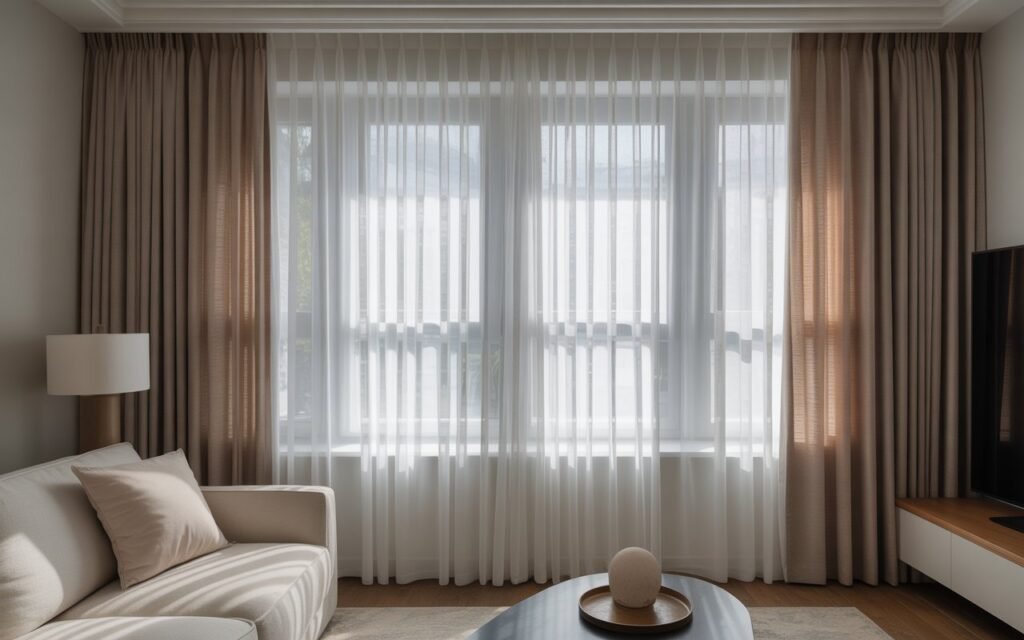
Layered curtains combine sheer fabric with heavier drapes. This setup gives flexibility—sheer for daytime softness and thick drapes for privacy or darkness.
This is one of the most practical curtain systems because it adapts to different needs throughout the day. It also adds depth to window design, making it look more architectural rather than flat.
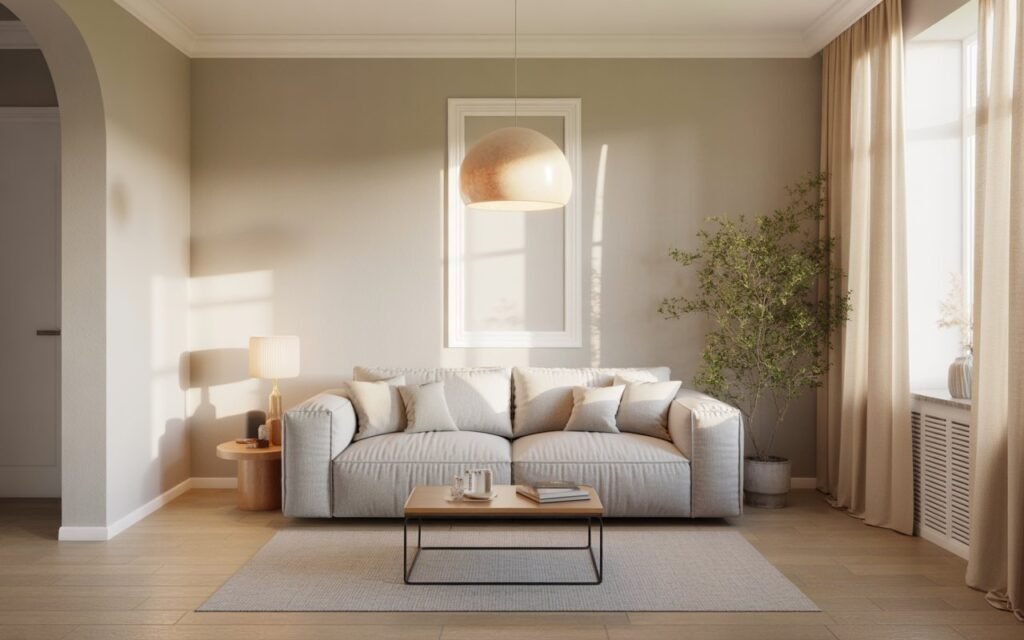
6. Light Neutral Curtains for Small Living Rooms
Light-colored curtains in shades like off-white, beige, or soft grey are ideal for compact spaces. They reflect light rather than absorb it, which helps open up the room visually.
When paired with light walls and minimal furniture, they reduce visual clutter and make the space feel more spacious and breathable.
7. Dark Curtains That Create Strong Visual Anchoring
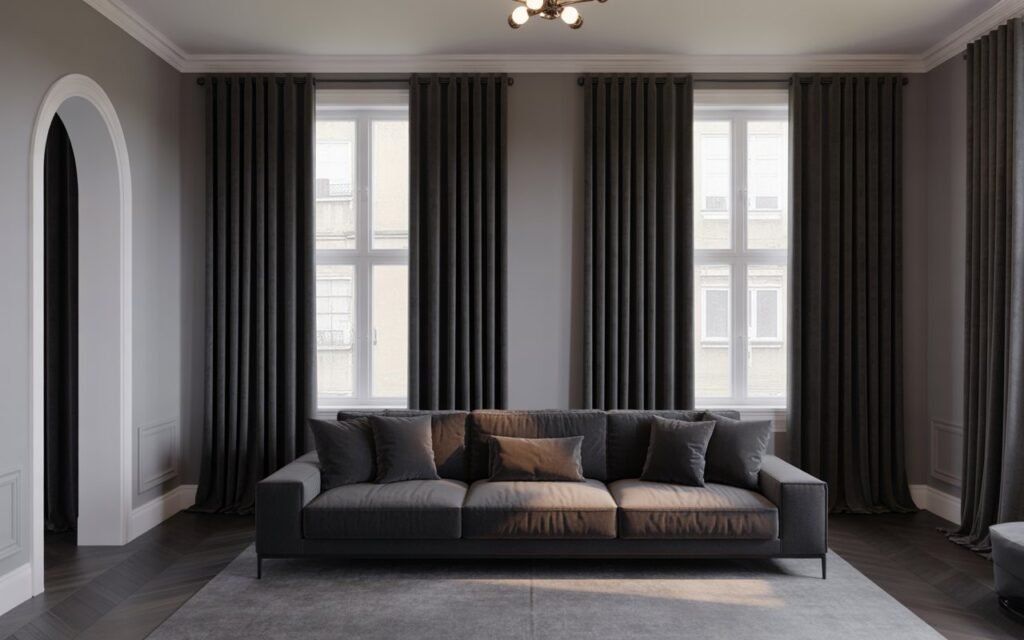
Dark curtains such as charcoal, deep brown, or navy add structure and contrast to a room. Instead of blending in, they anchor the window visually and create a strong focal edge.
This works best in larger living rooms with enough natural light to balance the darker tones.
8. Subtle Patterned Curtains That Add Controlled Visual Interest
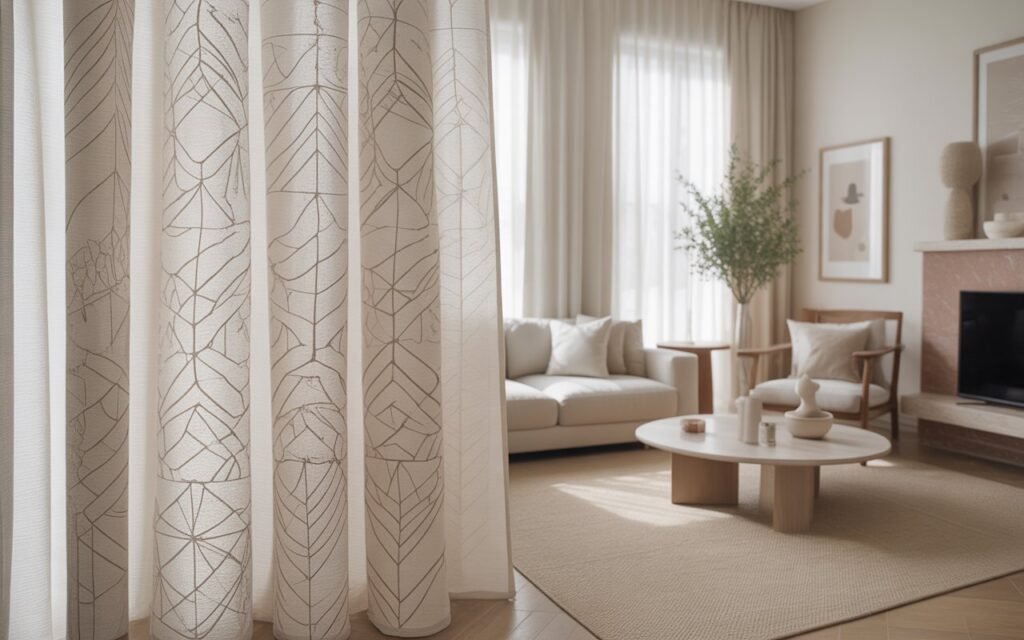
Patterned curtains should be used carefully. Instead of bold prints, subtle geometric or textured patterns work better in modern interiors.
They add depth without overwhelming the room, especially when the rest of the decor is minimal and neutral.
9. Minimal Solid Curtains for Clean Modern Interiors
Solid-colored curtains with no pattern are ideal for clean, modern spaces. The focus stays on fabric quality, drape, and color harmony.
This approach works best when the rest of the room already contains strong design elements like artwork or statement furniture.
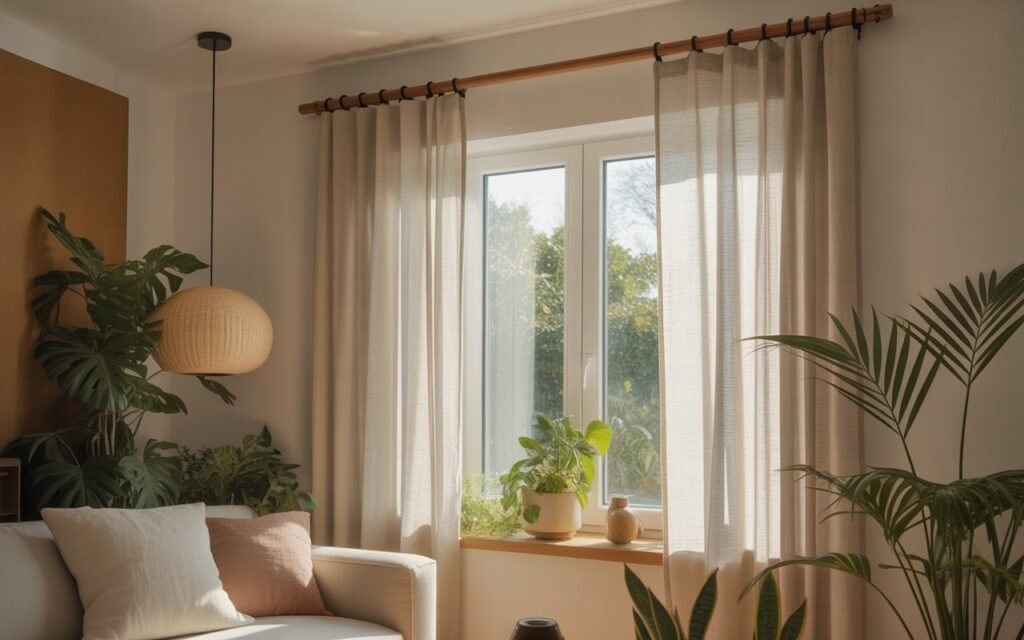
10. Wooden Rod Curtains That Add Natural Warmth
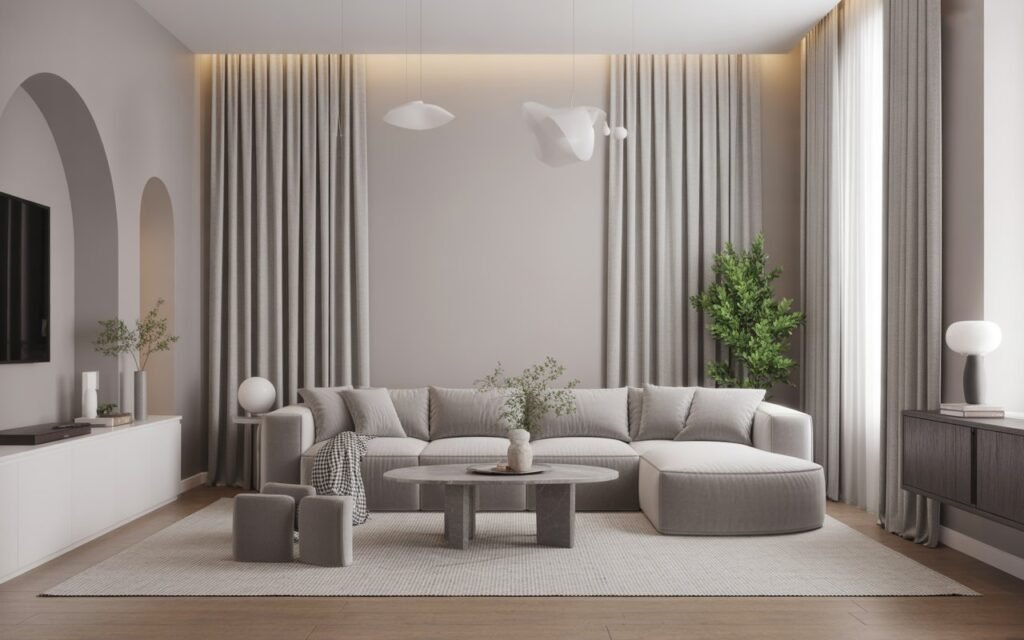
Curtain rods are often ignored, but they influence the final aesthetic. Wooden rods bring warmth and connect well with natural interiors.
They work especially well with linen or neutral fabrics, reinforcing a calm and organic design language.
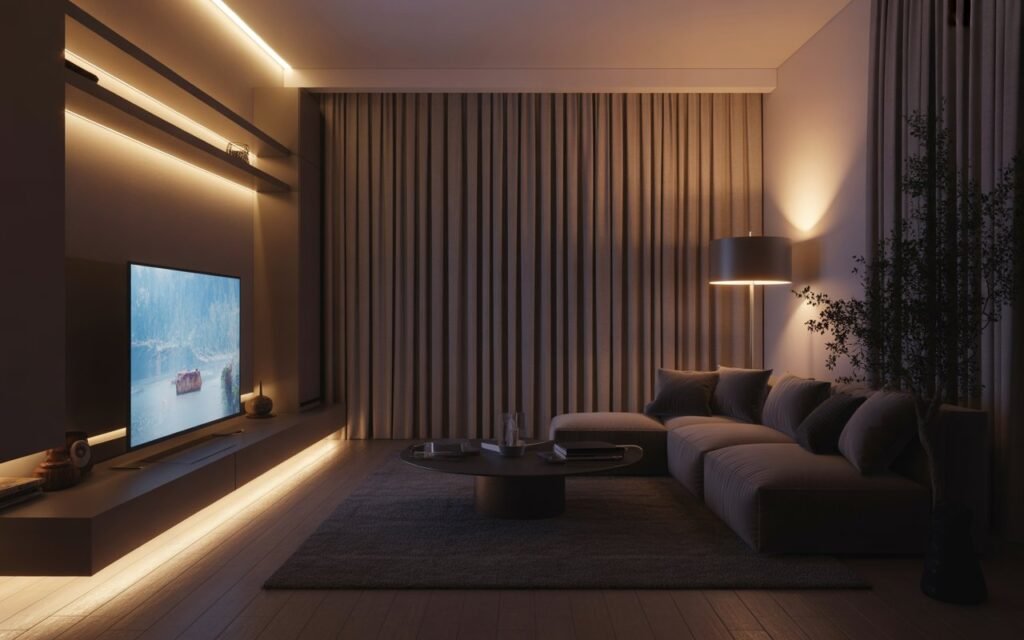
11. Blackout Curtains for Functional Living Spaces
Blackout curtains are designed for light control. They are especially useful in living rooms that double as media or entertainment spaces.
Beyond function, modern blackout fabrics now come in elegant finishes, making them both practical and visually appealing.
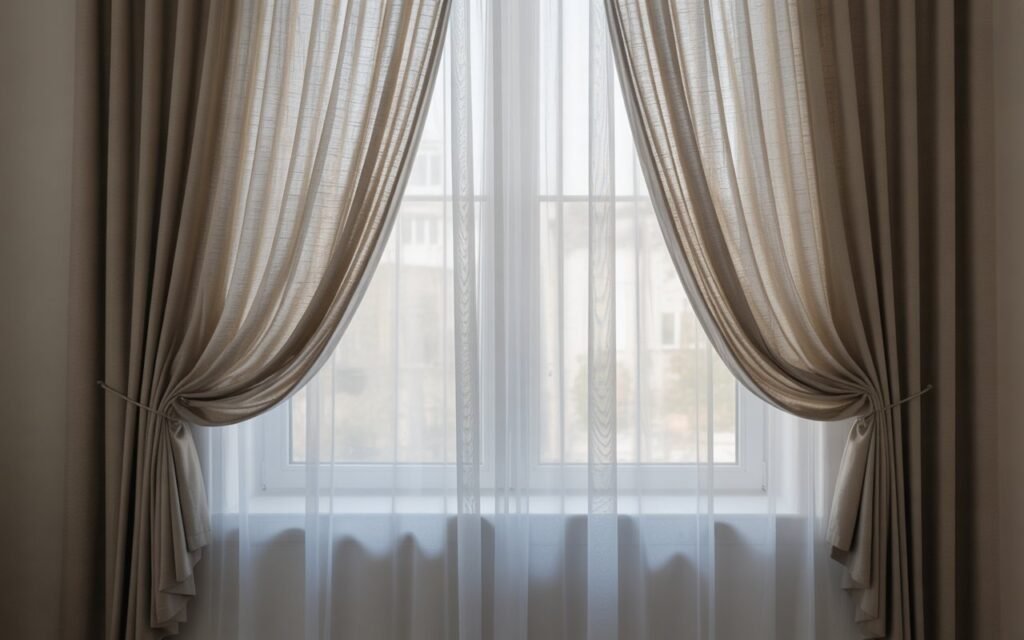
12. Layered Textures That Add Depth to Window Design
Combining different textures—such as sheer + linen or cotton + velvet—creates visual layering.
This makes the window area feel more designed and intentional rather than flat or one-dimensional.
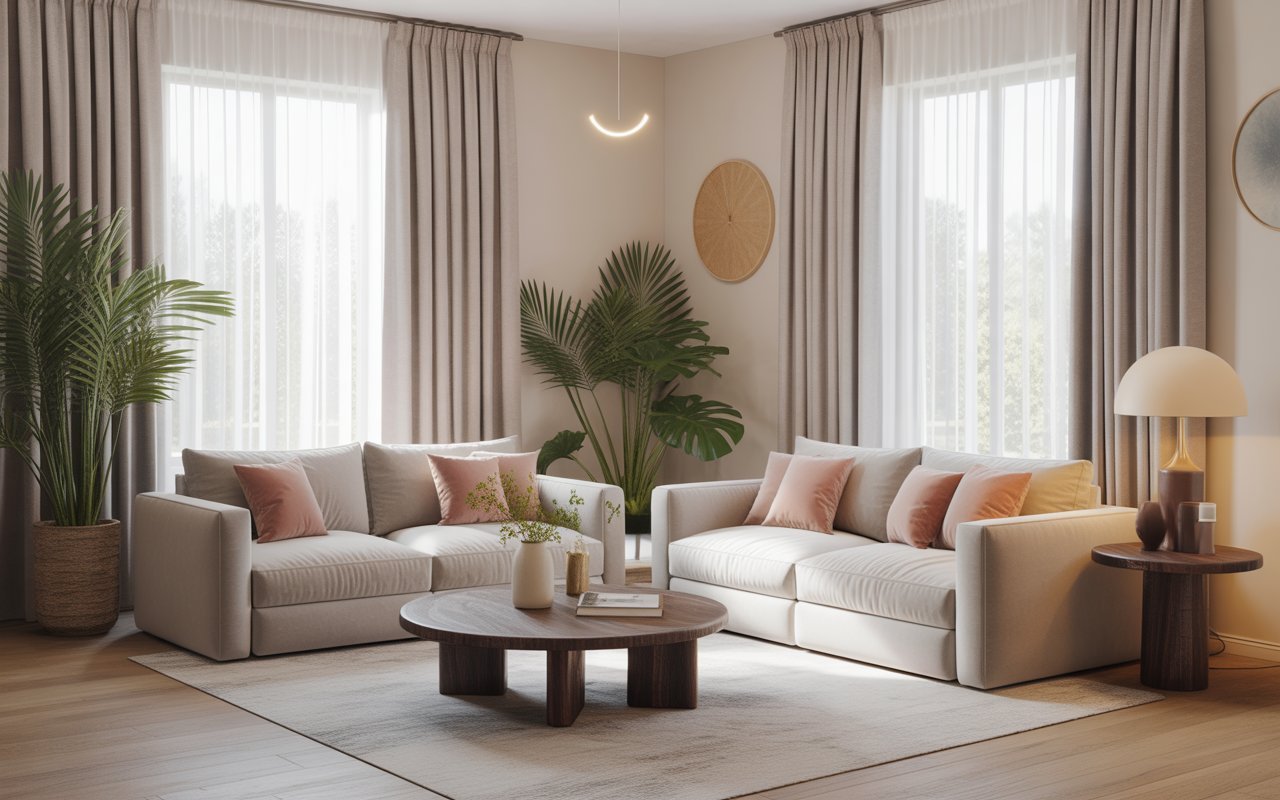
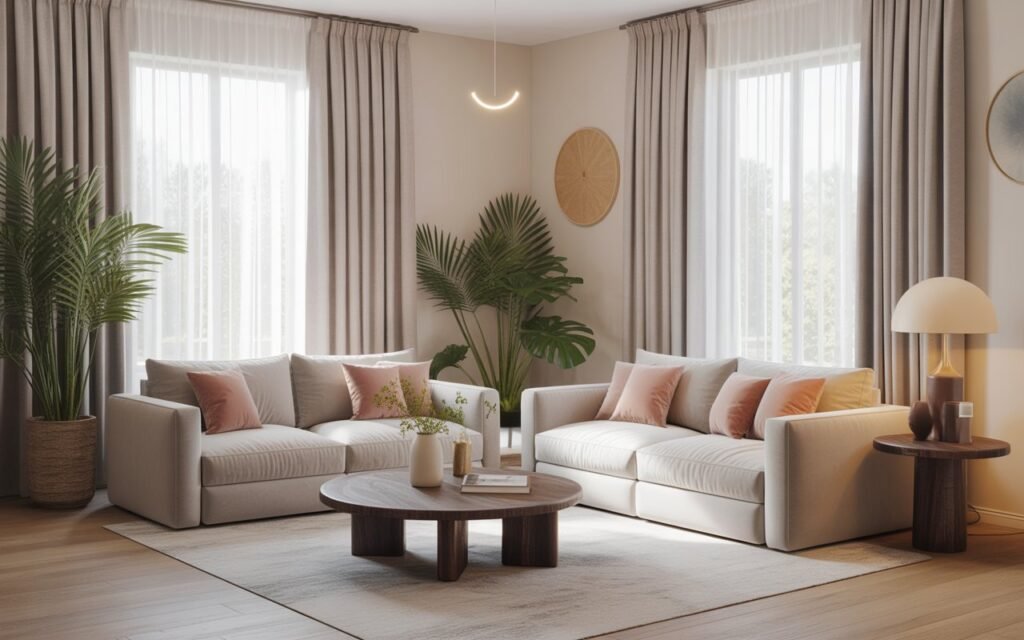
13. Curtains That Match Sofa or Rug Tone for Visual Harmony
Matching curtains with sofa or rug tones creates a unified color story in the living room. However, exact matching should be avoided.
Instead, use tone variation within the same colour family to keep the design soft and layered rather than repetitive.
14. Wide Curtain Panels for a Full and Luxurious Appearance
Curtains should never look stretched or thin. Using wider panels creates a fuller drape, which feels more premium.
This is a small detail, but it significantly improves how expensive the space looks.
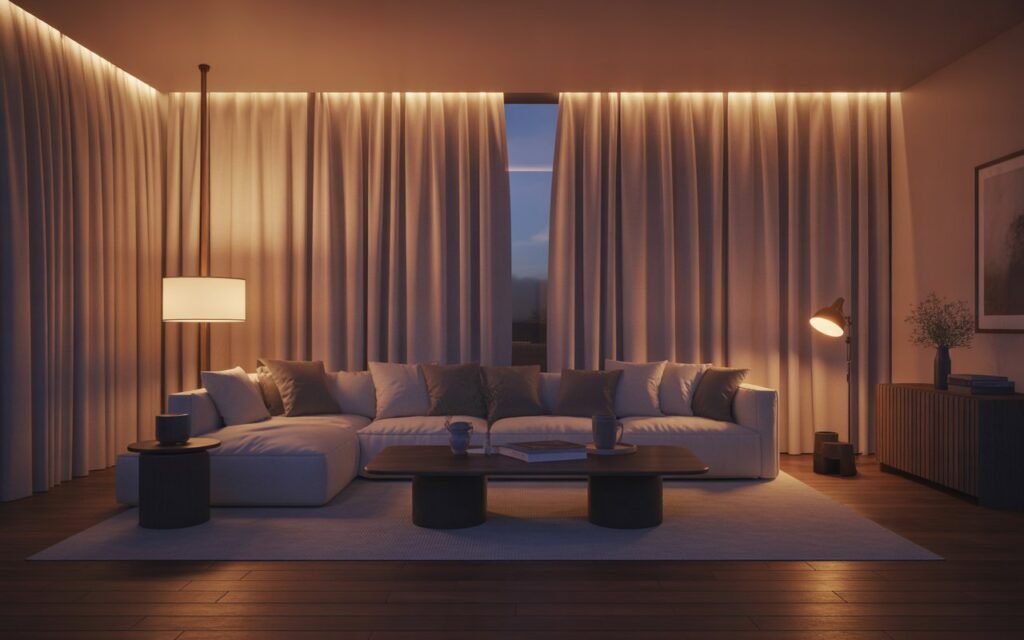
15. Simple Curtains Enhanced by Strategic Lighting
Even basic curtains can look premium when paired with good lighting. Side lighting, warm lamps, or natural sunlight can enhance fabric texture and movement.
Lighting is often the hidden factor that determines how good curtains actually appear in real life.
Conclusion
Curtains play a far more important role in living room design than most people realize. They are not just decorative pieces but functional design elements that control light, shape space perception, and influence the emotional tone of a room.
A well-chosen curtain system is never accidental. It is based on understanding fabric behavior, room proportions, and light direction. Whether you choose sheer, velvet, linen, or layered curtains, the goal should always be balance—between function and aesthetics.
When selected thoughtfully, curtains can transform a living room without changing furniture or structure. That is what makes them one of the most powerful yet underestimated design tools in interior styling.