Introduction
A well-designed massage room is not defined by size—it is defined by atmosphere. The goal is to create an environment where the body can relax and the mind can slow down. Every element in the room should contribute to this experience, from lighting and textures to layout and scent.
A functional massage room balances comfort, accessibility, and sensory control. Harsh lighting, clutter, and poor layout can disrupt the experience, while soft tones, natural materials, and intentional design create a sense of calm.
Whether you are setting up a professional space or a home relaxation room, the following ideas focus on practical design choices that improve both comfort and usability.
1. Soft Warm Lighting Setup
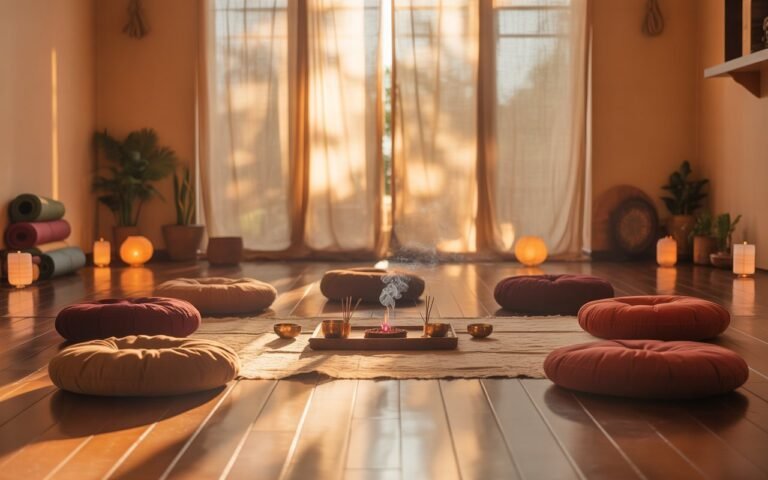
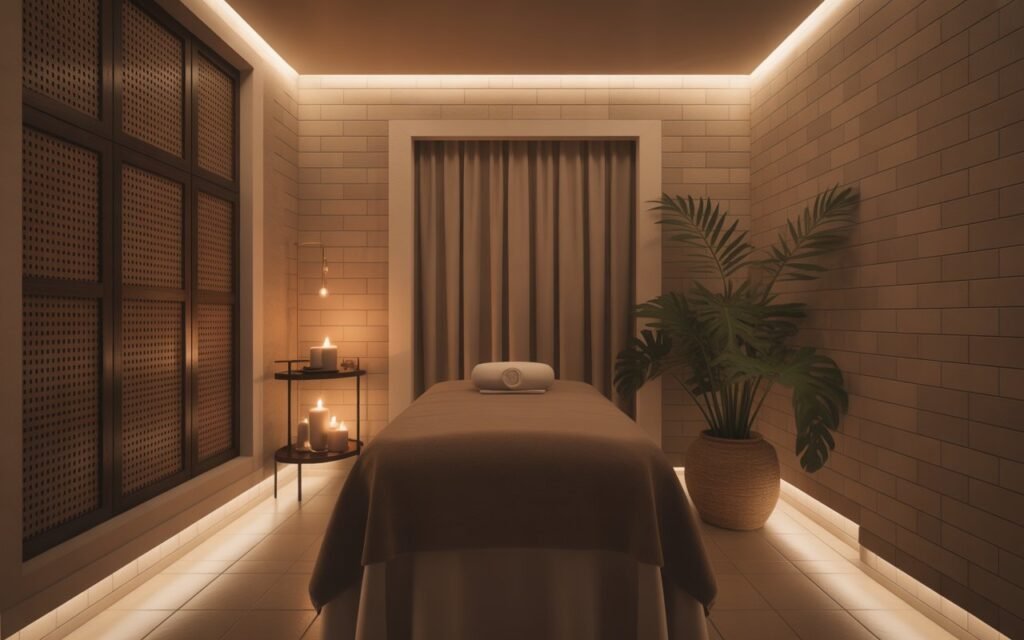
Lighting is the most important element in a massage room. Use warm, low-intensity lights instead of bright overhead fixtures. Layered lighting—such as lamps and hidden LEDs—creates a calm and controlled atmosphere.
2. Neutral and Earthy Color Palette
Stick to natural tones like beige, soft brown, muted green, and off-white. These colors reduce visual stress and help the space feel grounded and peaceful.
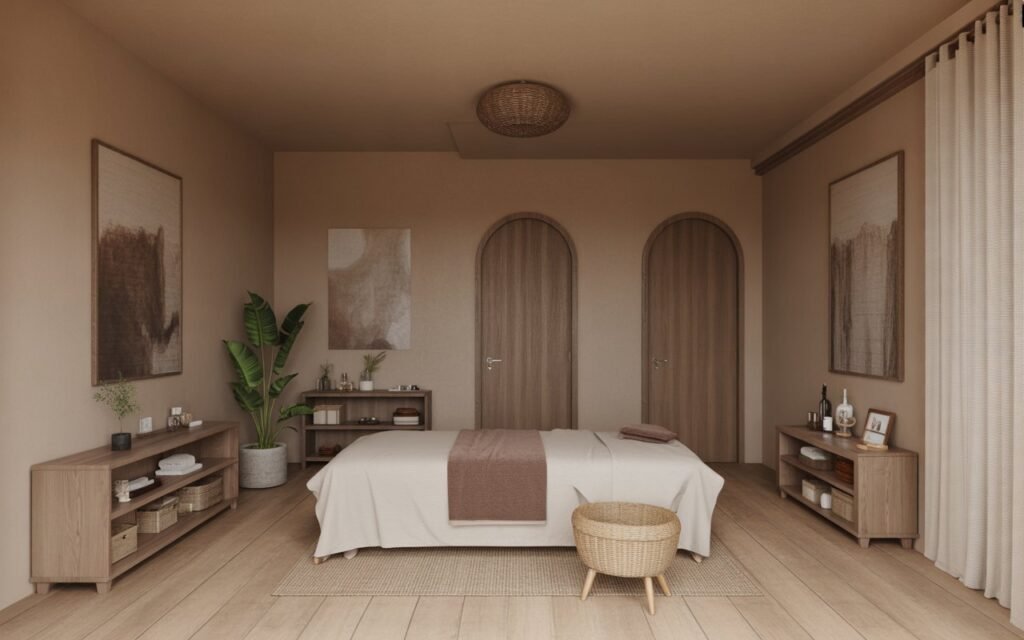
3. Minimal and Clutter-Free Layout
Avoid unnecessary furniture or decor. A clean layout allows free movement around the massage table and keeps the focus on relaxation.
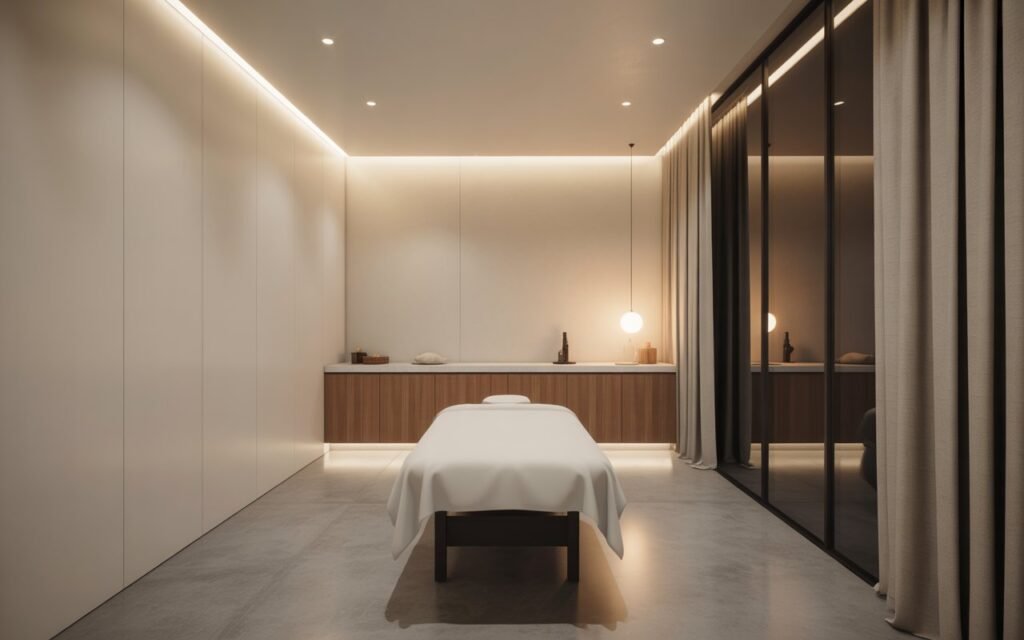
4. Comfortable Massage Table Placement
Position the massage table centrally with enough space on all sides. This improves accessibility and ensures smooth movement during sessions.
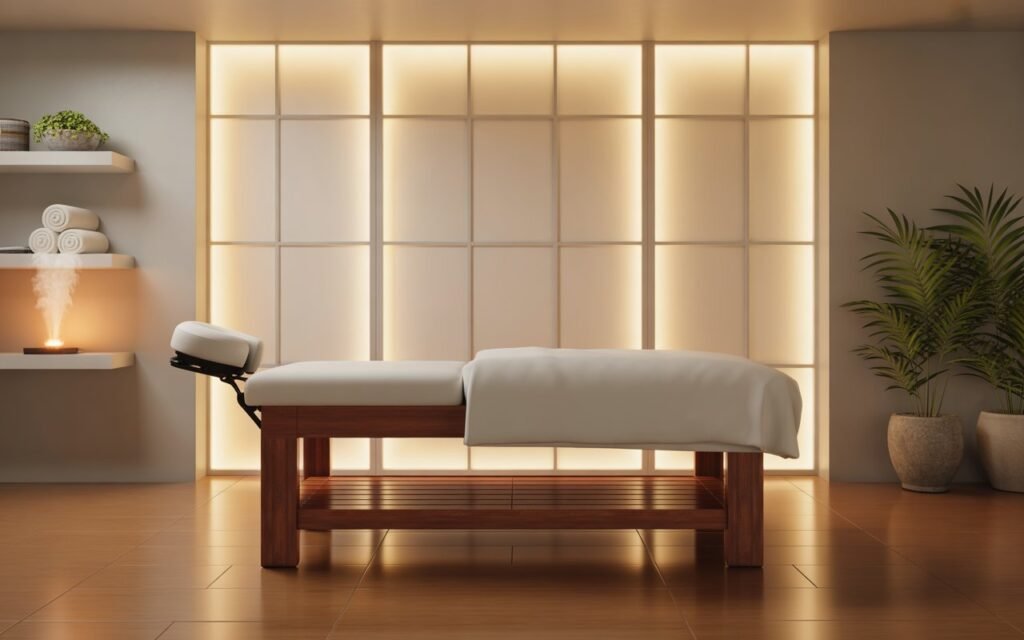
5. Layered Textiles and Soft Fabrics
Use soft towels, blankets, and cushions in neutral tones. Layering textures adds comfort and enhances the tactile experience.
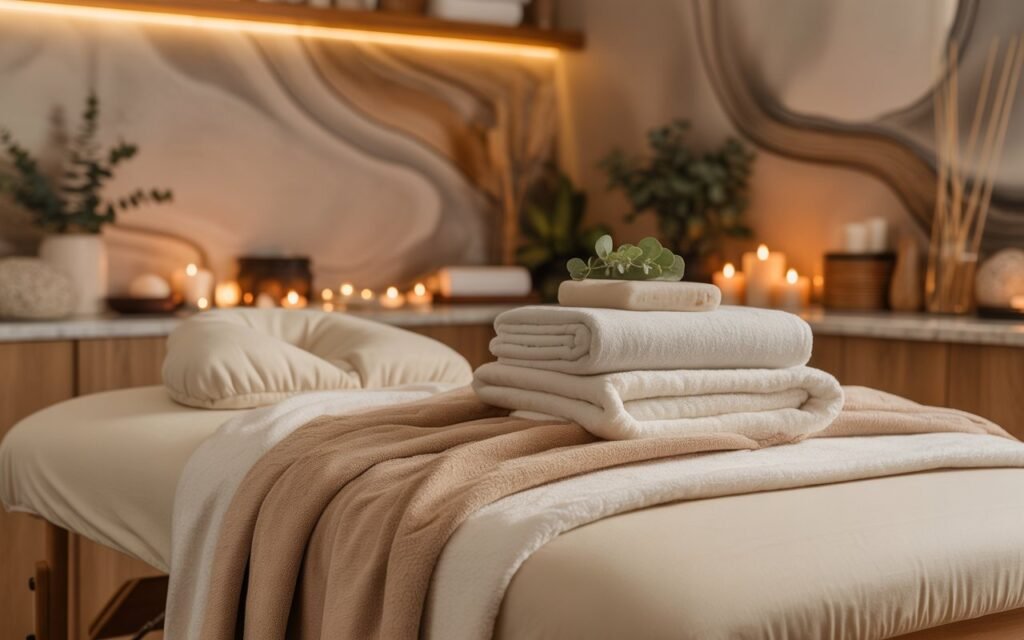
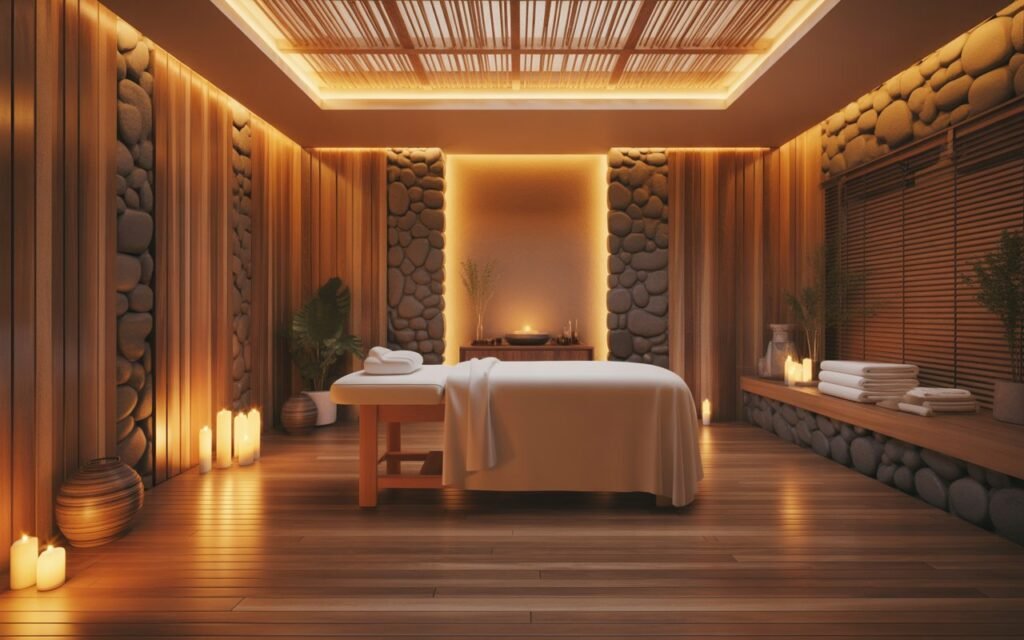
6. Natural Materials Integration
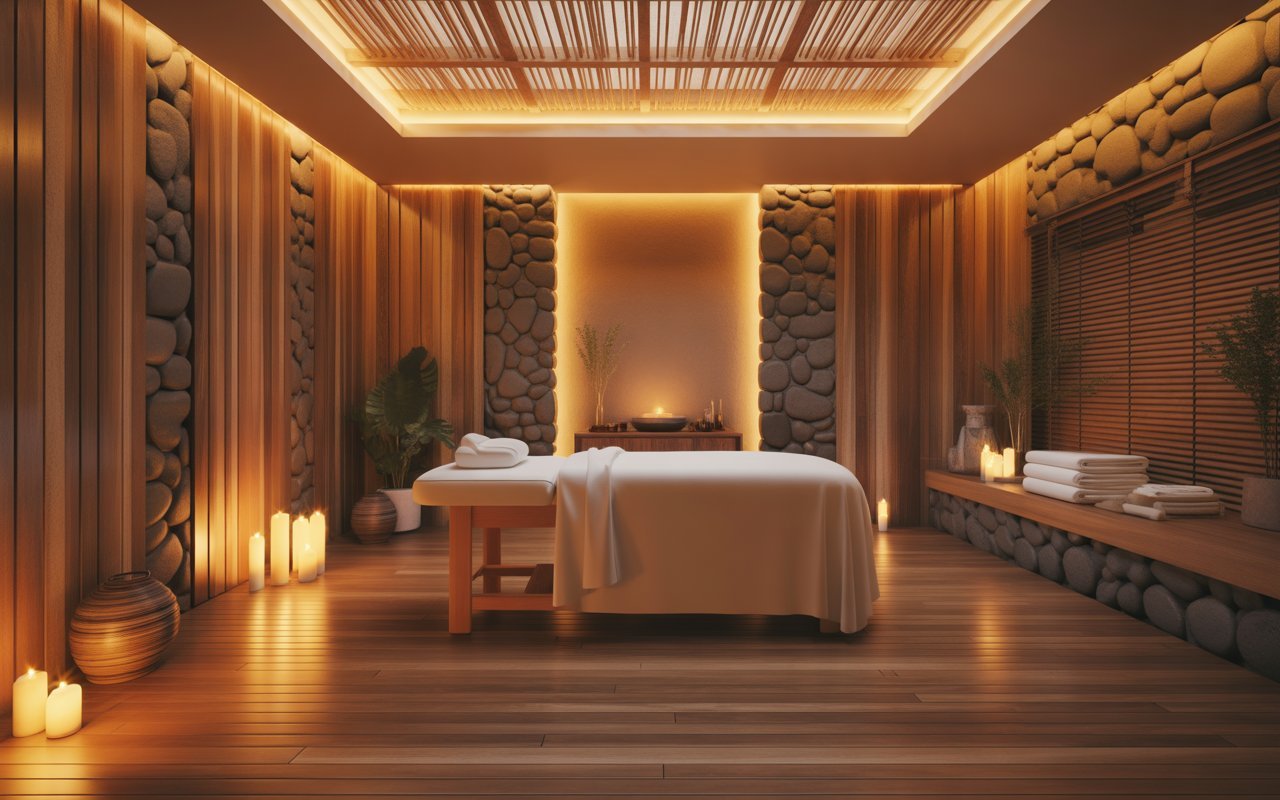
Incorporate wood, stone, or bamboo elements. These materials add warmth and create a connection to nature, which is essential for relaxation.
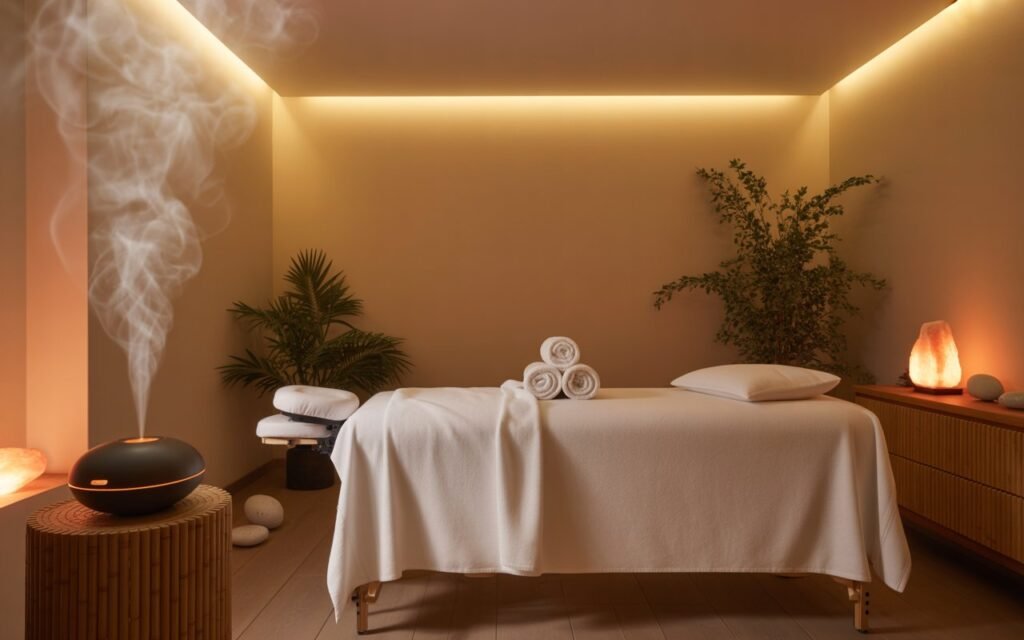
7. Aromatherapy Diffuser Setup
Scent plays a key role in relaxation. Use essential oil diffusers with calming fragrances like lavender, eucalyptus, or sandalwood.
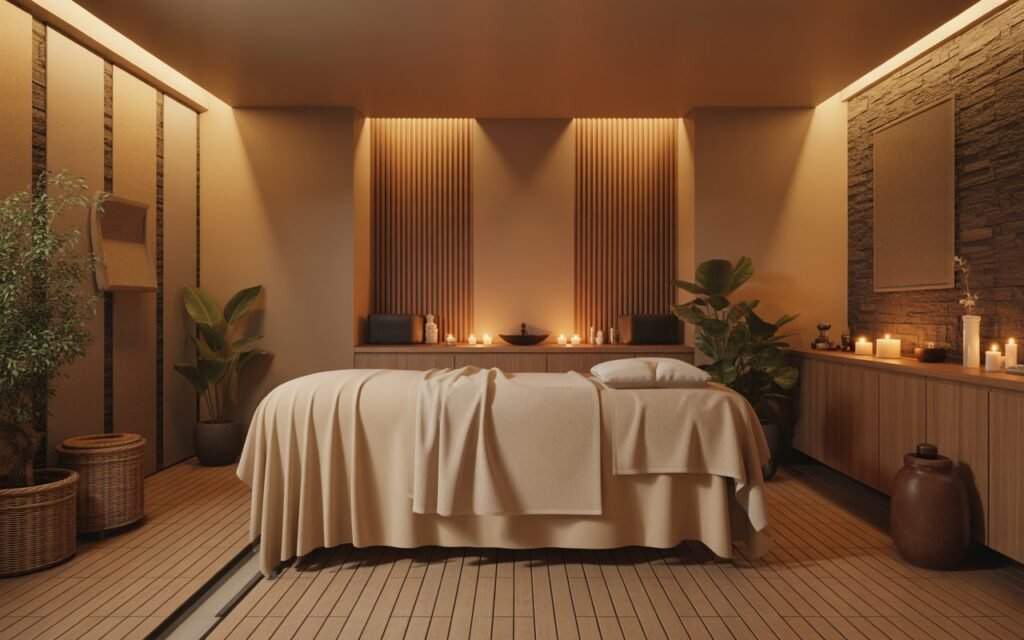
8. Sound and Acoustic Control
Soft background sounds or calming music can improve the overall experience. Avoid echo by using rugs, curtains, and soft surfaces.
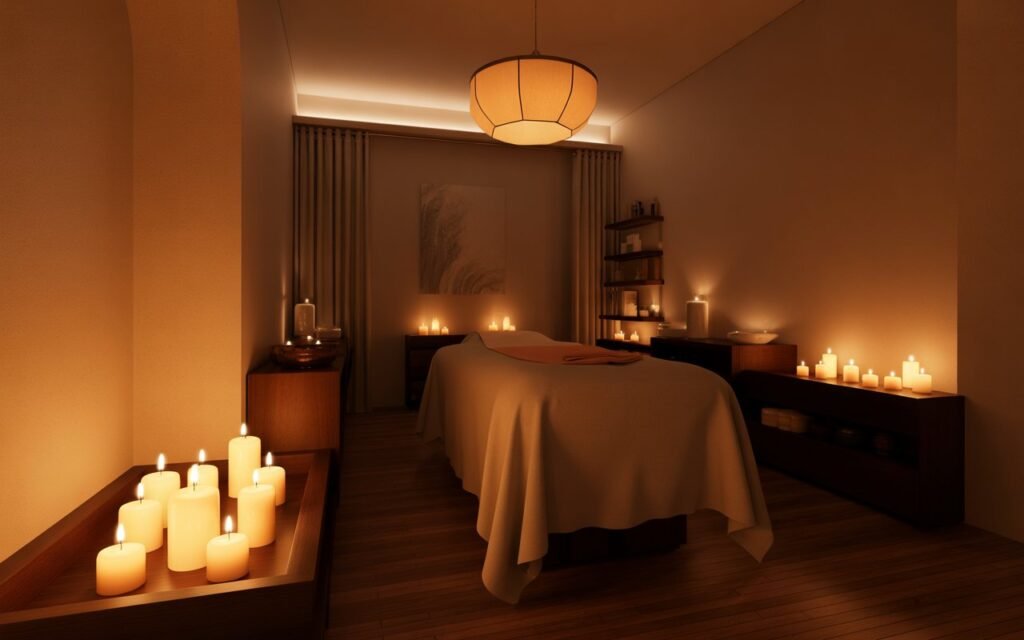
9. Candle Accent for Atmosphere
Candles provide a soft, flickering light that enhances the mood. Use them in controlled areas to avoid clutter while maintaining a calm visual.
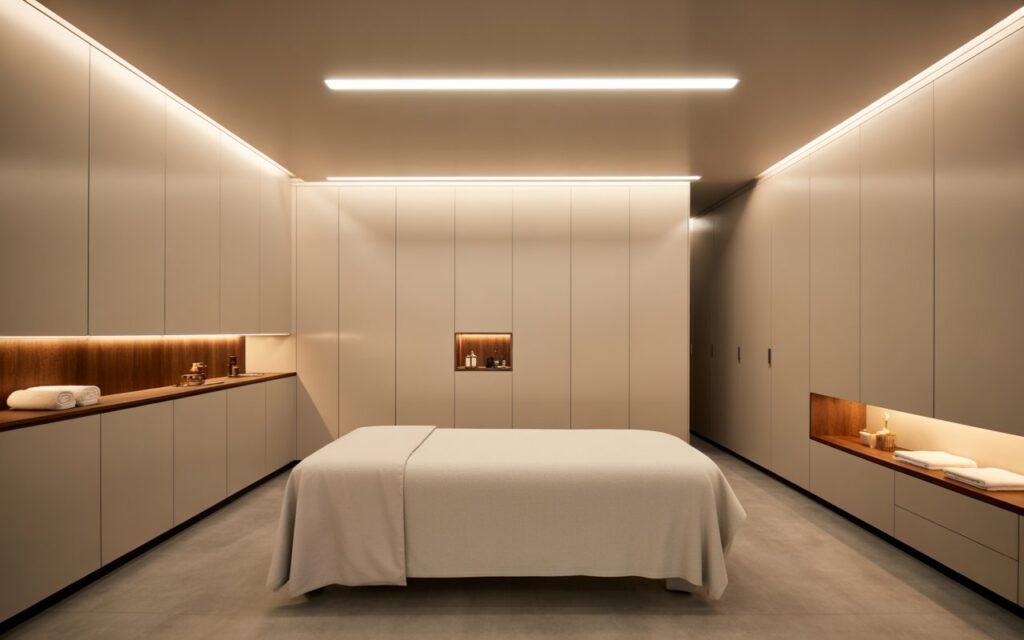
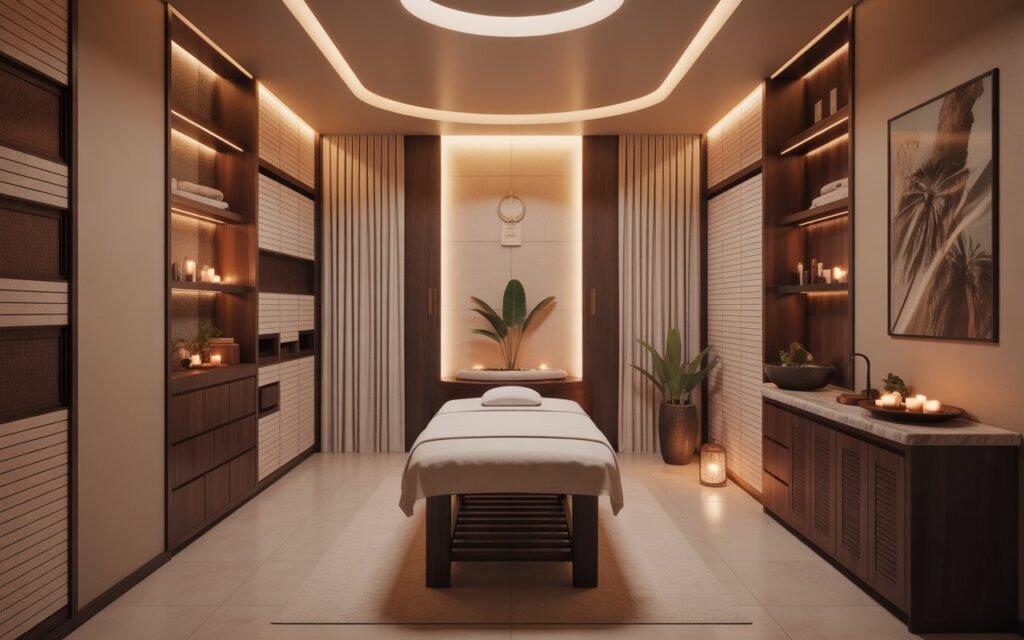
10. Storage That Stays Hidden
Keep oils, towels, and tools in closed cabinets or baskets. Hidden storage maintains a clean and distraction-free environment.
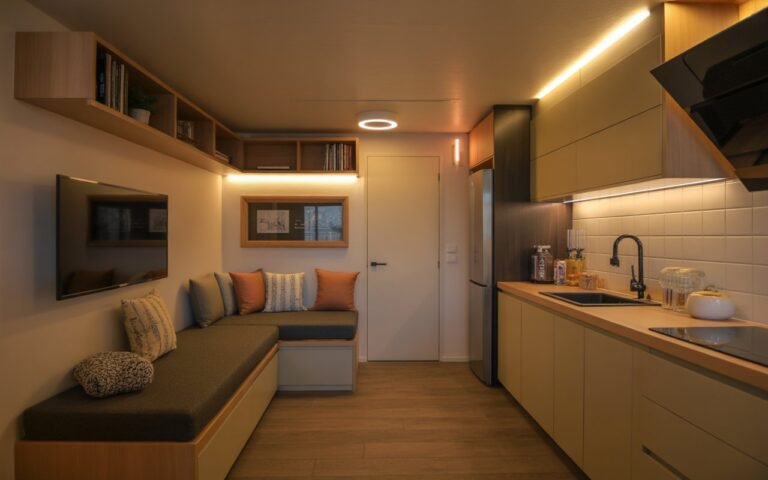
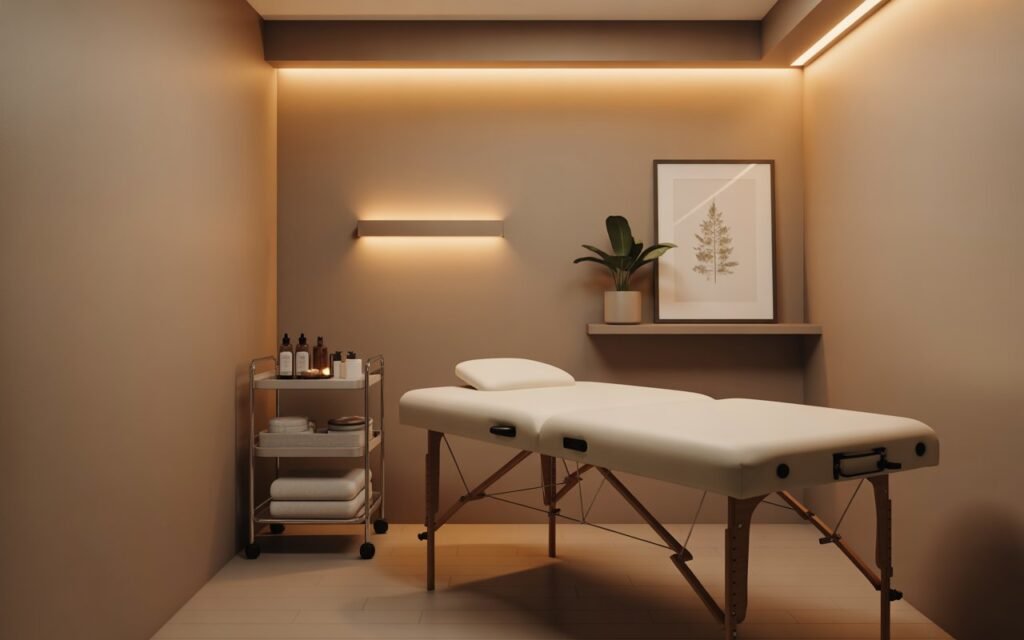
11. Small Space Massage Corner
Even a small area can work. Use foldable furniture and minimal decor to create a compact but functional massage setup.
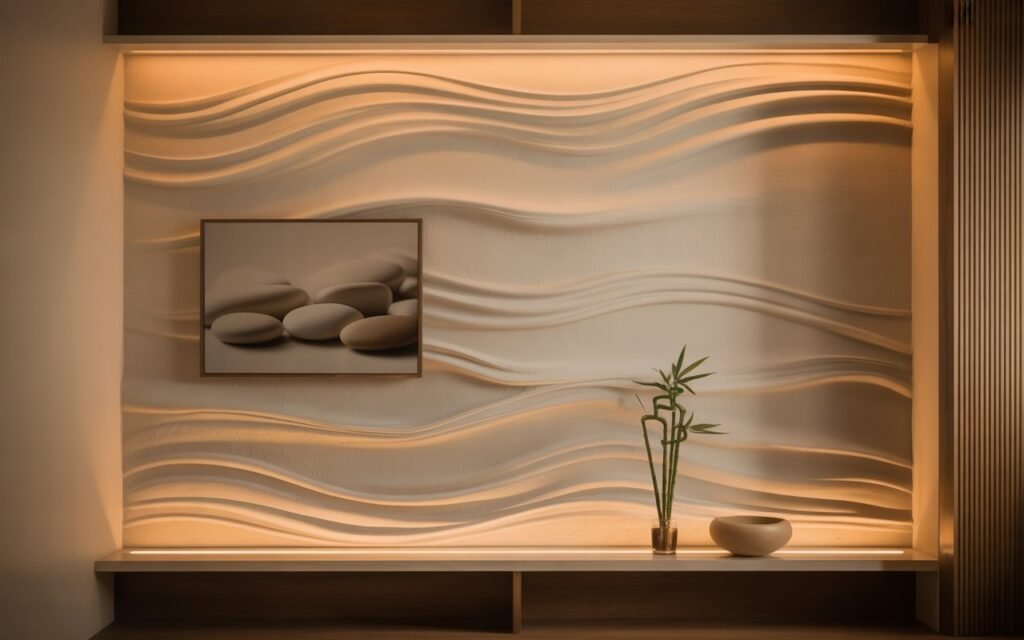
12. Wall Decor with Subtle Design
Choose simple wall art or textured panels. Avoid bold patterns that can distract from the calming atmosphere.
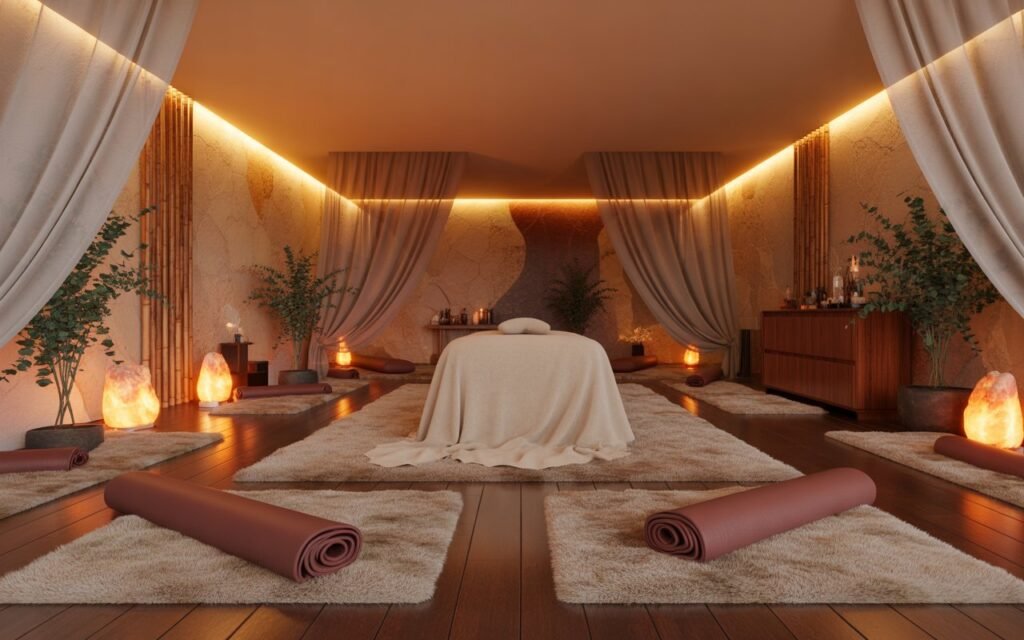
13. Warm Floor Elements
Use rugs or mats to make the floor comfortable. This adds warmth and reduces noise, improving the overall feel of the room.
14. Adjustable Lighting Zones
Install dimmable lights or multiple light sources to adjust brightness depending on the time of day or mood.
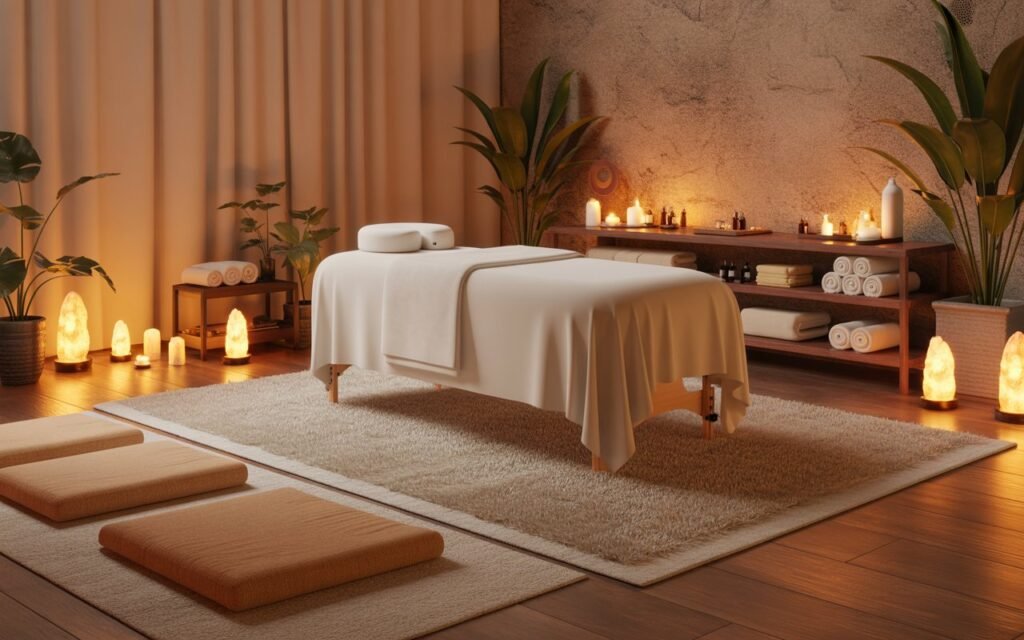
15. Spa-Inspired Layout Flow
Design the space to feel like a spa—clear pathways, balanced spacing, and a central focus on the massage table. This improves both aesthetics and functionality.
Conclusion
A well-planned massage room is built around simplicity, comfort, and control. Instead of focusing on decoration alone, prioritize how the space feels during use—lighting should be soft, textures should be comfortable, and the layout should allow easy movement.
By combining natural materials, warm lighting, and a clutter-free environment, you can create a space that supports relaxation consistently. Start with essential elements, refine gradually, and focus on maintaining a calm, balanced atmosphere over time.