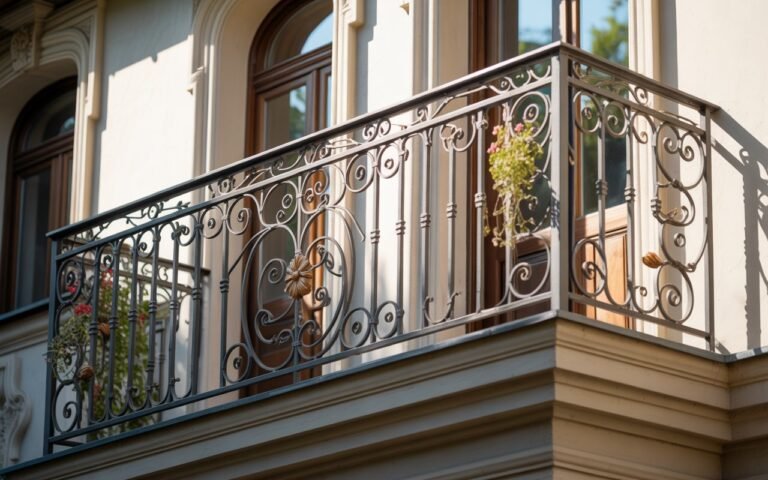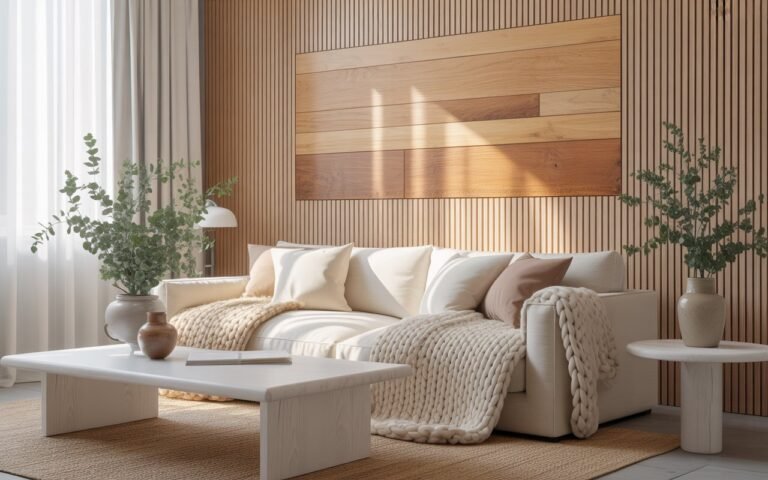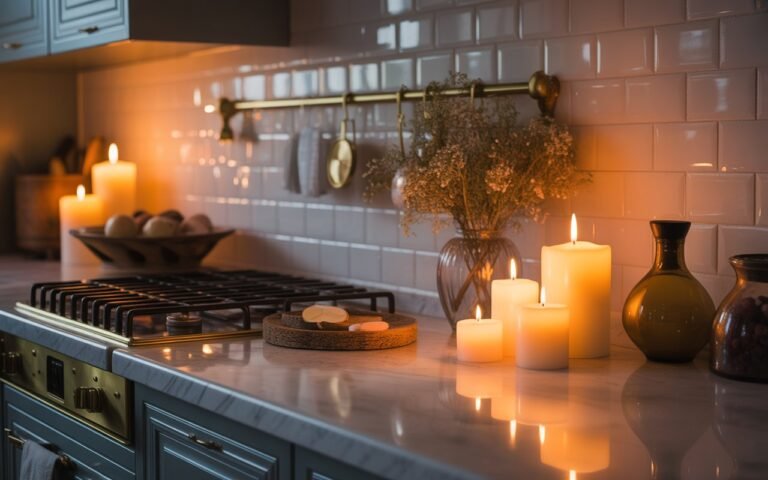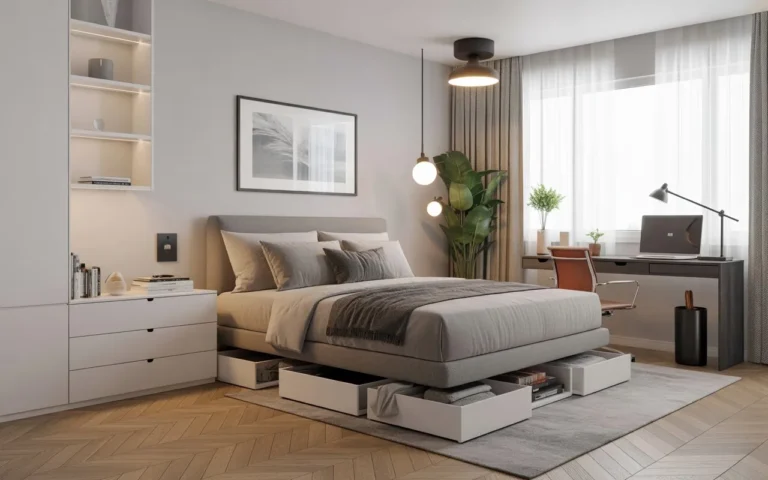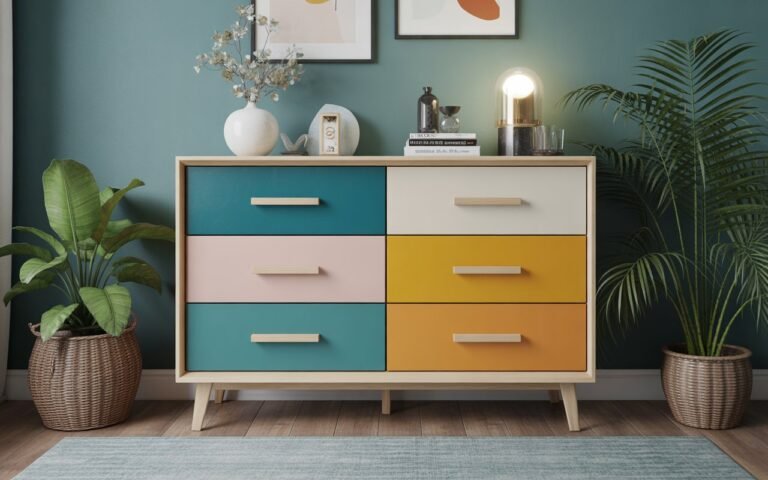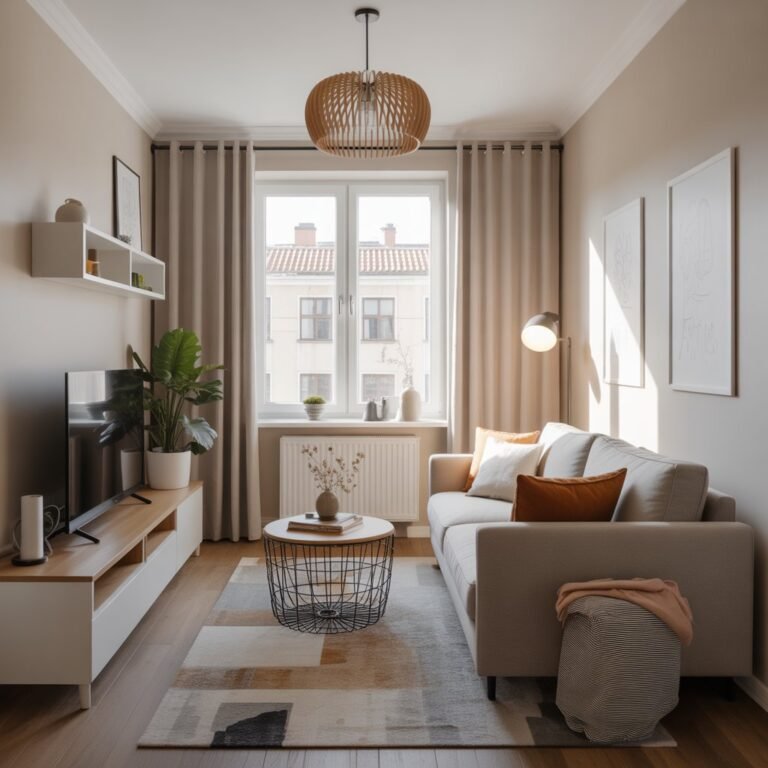
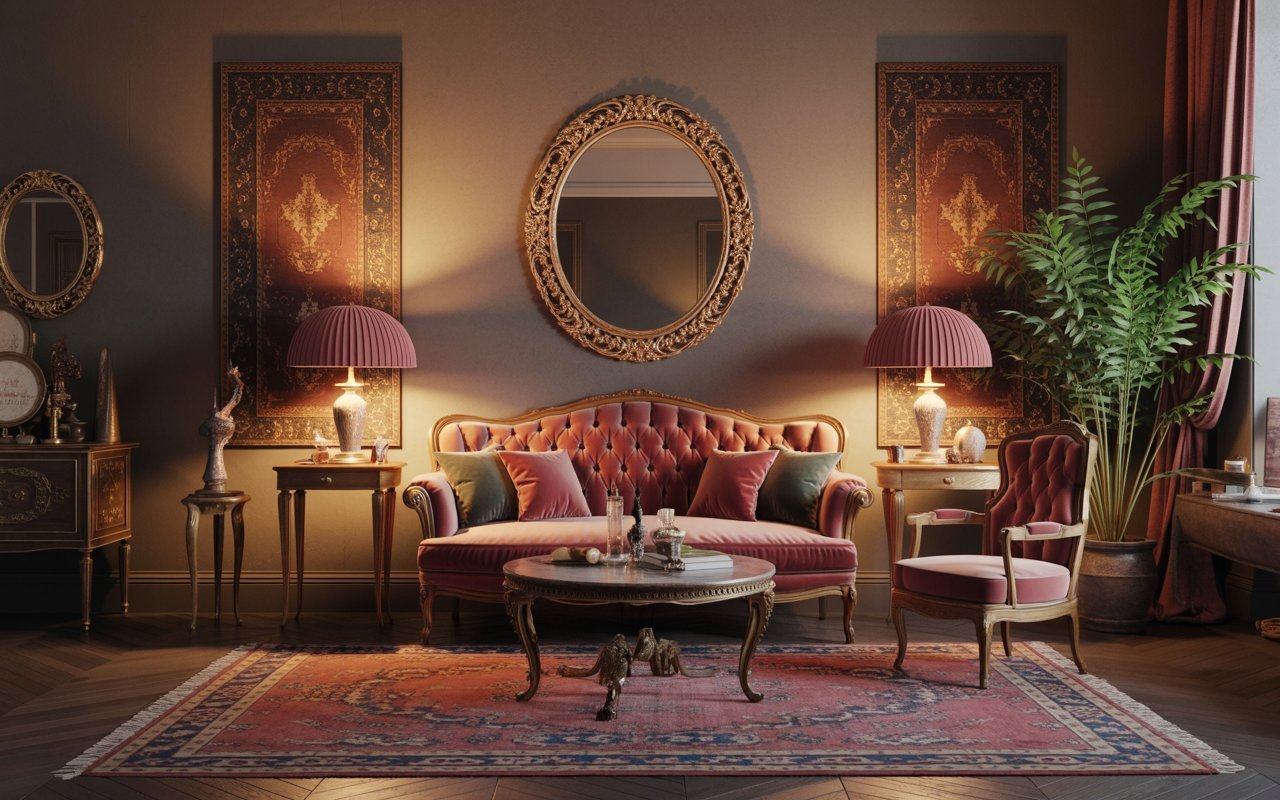
Are you tired of walking into your home and feeling nothing? Tired of rooms that look like they came straight out of a flat-pack catalogue — cold, beige, and indistinguishable from every other house on the street? You’re not alone. In 2026, millions of homeowners are breaking free from the minimalist trap and turning to vintage home decor to create spaces that feel genuinely lived-in, deeply personal, and full of soul.
The vintage revival isn’t a passing trend. It’s a movement rooted in a real human need — the desire for a home that reflects who you are, not just what was on sale. Whether you’re drawn to the glamour of Art Deco, the warmth of 70s bohemian, or the whimsy of cottagecore, vintage decorating gives you something modern interiors simply cannot: character that can’t be manufactured.
This guide covers everything you need to know — from identifying your vintage style to shopping smart, decorating every room, and doing it all without breaking the bank.
What Is Vintage Home Decor
Vintage home decor refers to decorating with items, styles, or aesthetics from roughly 20 to 100 years ago. That spans an enormous range — mid-century modern furniture from the 1950s, Art Deco geometric patterns from the 1920s, earthy macramé from the 1970s, and hand-painted ceramics from the Victorian era all fall under the vintage umbrella.
But here’s what separates vintage decorating from just buying old things: it’s about intention. It’s about choosing pieces that carry history, warmth, and craftsmanship — then mixing them thoughtfully with your existing space so the result feels curated, not cluttered.
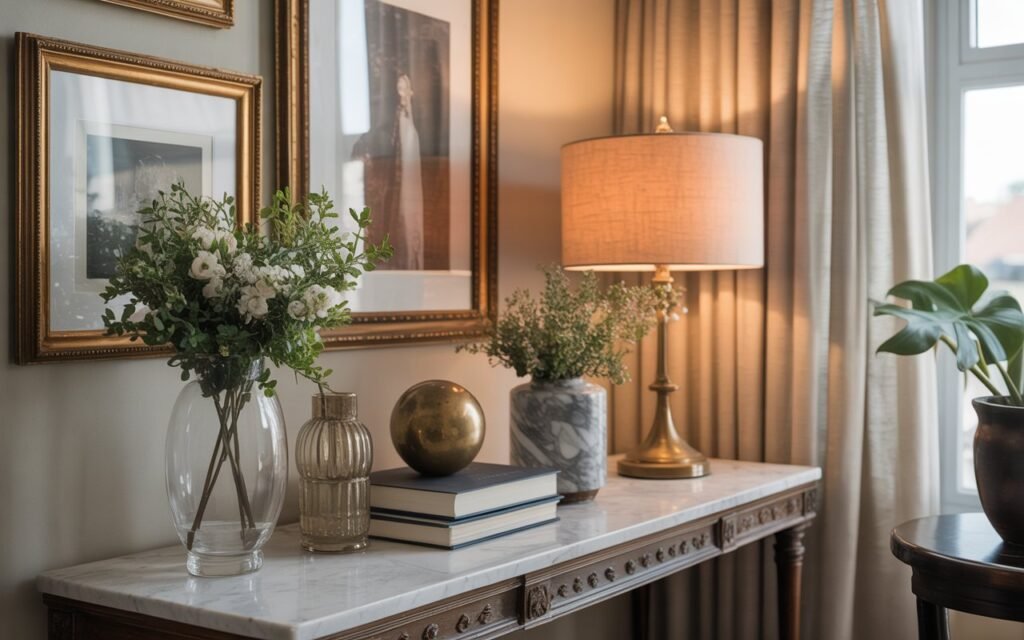
The key philosophy designers repeat again and again: the goal is not to recreate the past — it’s to borrow from it. A vintage marble lamp on a sleek modern console. An antique mirror above a minimalist bathroom sink. The contrast between old and new is exactly what makes a room interesting.
The Most Popular Vintage Decor Styles Right Now
Not all vintage is the same. Knowing which era or aesthetic speaks to you is the first step toward a cohesive home. Here are the styles dominating Pinterest boards and interior design conversations in 2026.
Mid-Century Modern
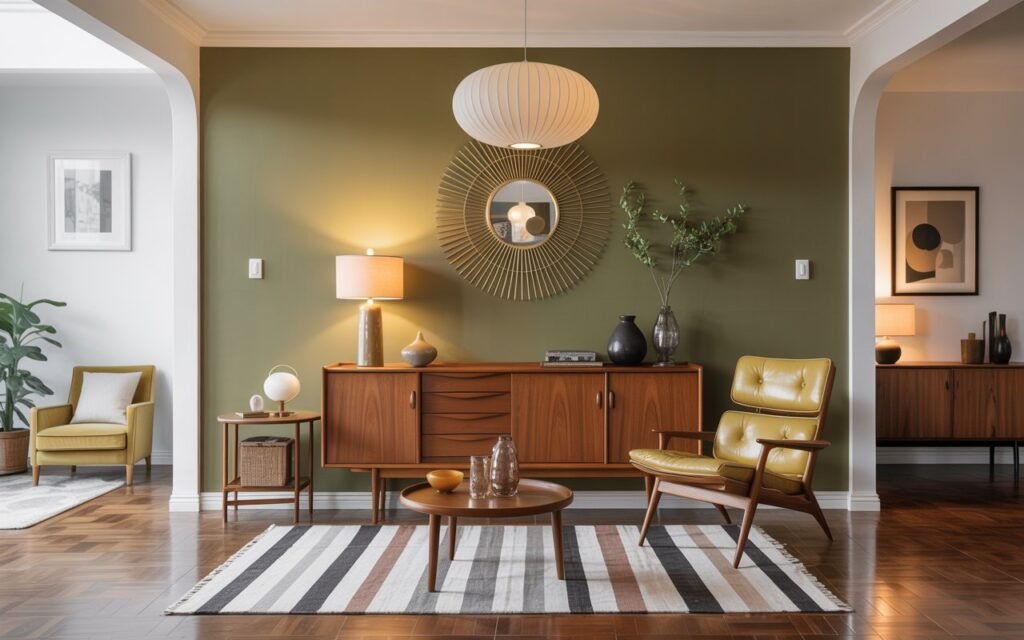
Think clean lines, organic silhouettes, warm wood tones, and statement lighting. Mid-century modern — popularised in the 1950s and 60s — remains one of the most versatile vintage styles because it pairs effortlessly with contemporary furniture. A teak sideboard, an Eames-inspired chair, or a sunburst mirror can anchor an entire room without overwhelming it.
Best for: Living rooms, home offices, open-plan spaces.
Art Deco Revival
Crisp chevrons, fan arches, geometric patterns, and everything edged in brass or chrome — Art Deco is back, and it’s more wearable than ever. This modernised take, sometimes called Neo Deco, swaps the original’s heavy opulence for something sleeker and more restrained. Think antique bar carts, pendant lamps with architectural silhouettes, and red marble bathroom accents.
Best for: Dining rooms, bathrooms, entryways, and any space that needs a dose of drama.
70s Bohemian / Earthy Vintage
Macramé wall hangings, rattan and wicker furniture, warm terracotta and burnt orange tones, dried botanicals, and shaggy rugs — the 70s bohemian revival is all about texture and warmth. This style has enormous crossover with the Afrohemian movement, which fuses bohemian anything-goes spirit with vivid African textiles and natural fibre craftsmanship.
Best for: Bedrooms, sunrooms, relaxed living areas.
Cottagecore / Victorian Lace
Frilly-edged dinnerware, lace doilies, hand-painted furniture, floral wallpaper, and mismatched vintage china — cottagecore is the vintage aesthetic that prioritises cosy, romantic, and deeply nostalgic. Pinterest searches for “lace doily” were up 105% in 2026, signalling that this softer, more feminine take on vintage is having a major cultural moment.
Best for: Kitchens, dining rooms, bedrooms, reading nooks.
Maximalist Vintage (FunHaus)
For the bold: striped ceilings, vintage circus posters, sculptural shapes, bold pattern-on-pattern layering. This style — dubbed FunHaus by Pinterest — takes vintage maximalism to its most joyful extreme. The secret to making it work is pairing punchy patterns with a pared-back palette so the space feels elevated rather than chaotic.
Best for: Statement living rooms, eclectic dining spaces, creative studios.
How to Add Vintage Home Decor to Every Room
Vintage Living Room Decor
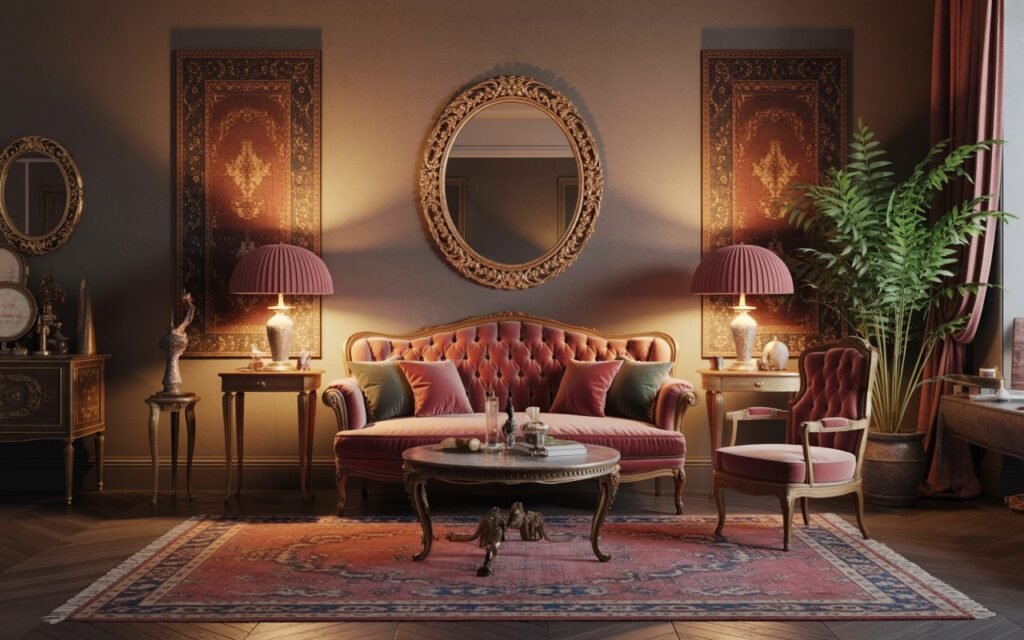
The living room is where vintage decorating has the most impact. Start with one anchor piece — a velvet Chesterfield sofa, a bold vintage rug, or an oversized antique mirror — and build around it. Layer textures: a jute rug under a Persian rug, linen cushions mixed with velvet, a woven throw draped over a modern sofa.
For lighting, vintage floor lamps and Sputnik-style pendant lights immediately shift the mood of a room. Gallery walls of mismatched vintage frames — filled with old botanical prints, abstract art, or even interesting vintage maps — add depth and personality without major expense.
Pro tip: One genuine vintage statement piece surrounded by modern or budget furniture looks more intentional than a room full of mid-range matching sets.
Vintage Bedroom Decor
The bedroom is your sanctuary, and vintage details make it feel genuinely restful rather than just styled. A brass or iron bed frame is the single highest-impact purchase you can make. Pair it with layered linen bedding, a vintage quilt, and mismatched antique nightstands sourced from different eras — the slight mismatch reads as collected rather than random.
For walls, framed botanical illustrations, old travel posters, or a large antique mirror create depth. On nightstands, style with vintage candlestick holders, a stack of hardback books, and a small ceramic vase. The goal is warmth and calm — not perfection.
Vintage Kitchen Decor
The kitchen is where vintage collecting becomes genuinely functional. Vintage Pyrex and brilliant-cut glassware displayed on open shelving serves as both decoration and daily use — and designers say everyone wants it right now. Enamel canisters, hand-painted ceramic tiles used as backsplash accents, and cast iron cookware hung on a pot rack all add authentic vintage character without feeling forced.
If you have a wet bar or drinks trolley, this is the place to go all-in: vintage glassware, a brass cocktail shaker, and an antique bar cart make for a genuinely stunning vignette.
Vintage Bathroom Decor
Move away from the clinical white spa aesthetic. The most beautiful vintage bathrooms in 2026 feel like private retreats — layered, moody, and deeply personal. Swap icy greys for saturated colours: muddy green, plum-brown, mineral blue, and warm clay. Pair with veined stone surfaces, smoked glass accessories, and brass or unlacquered brass fittings that develop a natural patina over time.
Antique apothecary jars for cotton rounds and bath salts, a large ornate mirror, and dimmable vintage-style sconces complete the look inexpensively but with enormous effect.
Vintage Home Office Decor
A reclaimed wood or vintage writing desk immediately sets the tone. Style shelves with leather-bound books, a vintage globe, framed botanical or architectural prints, and small ceramic objects collected over time. A vintage desk lamp — ideally with a brass or green enamel shade — adds both function and atmosphere.
The home office is often overlooked in decor planning, but it’s a room you spend real time in. Making it feel considered and beautiful genuinely improves your day.
Where to Find Vintage Home Decor
Smart vintage shopping is a skill, and it pays off enormously.
Thrift stores and charity shops are the best starting point for frames, ceramics, small decorative objects, and glassware — often at a fraction of retail. Go regularly, because stock changes constantly.
Estate sales and flea markets are where larger pieces live: furniture, rugs, lighting, and artwork. Prices are negotiable and quality is often surprisingly high.
Online marketplaces — Etsy, eBay, Facebook Marketplace, and Chairish — open up national and international sourcing. Use specific search terms (“1970s rattan armchair,” “vintage brass pendant lamp”) rather than broad ones for better results.
Up cycling is underrated. A coat of chalk paint, new vintage-style drawer pulls, and fresh upholstery can transform a forgettable modern piece of furniture into something that looks genuinely antique. It’s also the most sustainable approach to vintage decorating.
High-street vintage-look alternatives from IKEA, H&M Home, and Zara Home make excellent supporting pieces when paired with genuine vintage anchor items.
The Golden Rules of Vintage Decorating
Do mix eras confidently — a 1920s mirror above a 1970s sideboard is not a mistake, it’s a design choice. Do choose one dominant style as your anchor and layer others as accents. Do use a consistent colour palette to unify mismatched pieces. Do prioritise quality over quantity — five meaningful objects are more powerful than thirty forgettable ones.
Don’t go all-one-era — it reads as a period set, not a home. Don’t overlook scale — a tiny vintage lamp disappears in a large room. Don’t overcrowd surfaces — vintage pieces need breathing room to be appreciated.
How to Get the Vintage Look on a Budget
You don’t need a large budget to create a beautiful vintage home — you need patience and a good eye. Start with textiles: a vintage throw, a patterned cushion, or a lace tablecloth can shift the entire feel of a room for very little money.
Swap hardware next. Replacing modern drawer pulls and cabinet knobs with vintage-style brass, ceramic, or black iron alternatives is one of the cheapest and highest-impact upgrades you can make to any kitchen or bedroom.
Learn basic DIY aging techniques — chalk paint, crackle medium, and antiquing wax can make brand-new furniture look authentically old in an afternoon.
Finally, style in odd numbers. Three vintage objects grouped together on a shelf always look more intentional than two or four. It’s a simple rule, but it transforms how your collected pieces read in a room.
Conclusion
At its best, vintage home decor is not about following trends or recreating a specific decade. It’s about filling your home with things that mean something — objects with history, craftsmanship, and personality that no flat-pack furniture range can replicate.
You don’t need to do it all at once. Start with a single thrifted piece that genuinely speaks to you. One antique mirror. One vintage lamp. One hand-painted ceramic that made you stop in your tracks at a flea market. Build slowly, intentionally, and joyfully.
The most beautiful homes are not perfectly decorated — they are carefully collected over time, shaped by the people who live in them. Vintage decorating gives you the tools to create exactly that: a home that is unmistakably, irreplaceably yours. Begin where you are, use what speaks to you, and trust that every good piece you bring home is one step closer to a space that truly feels like home.