Introduction
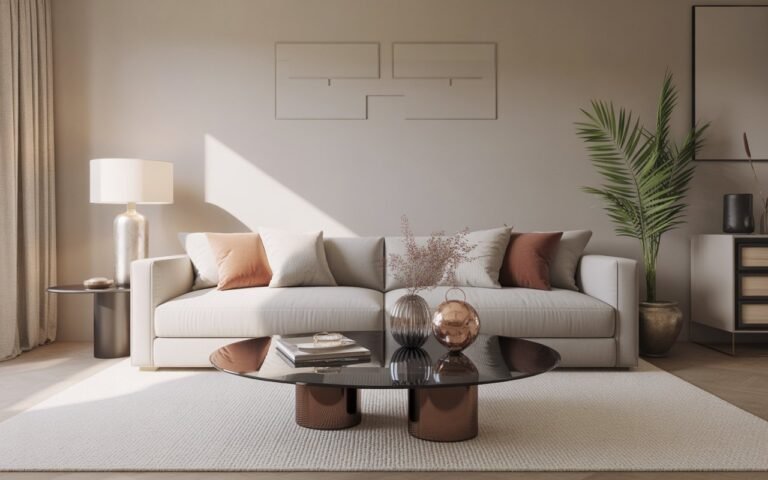
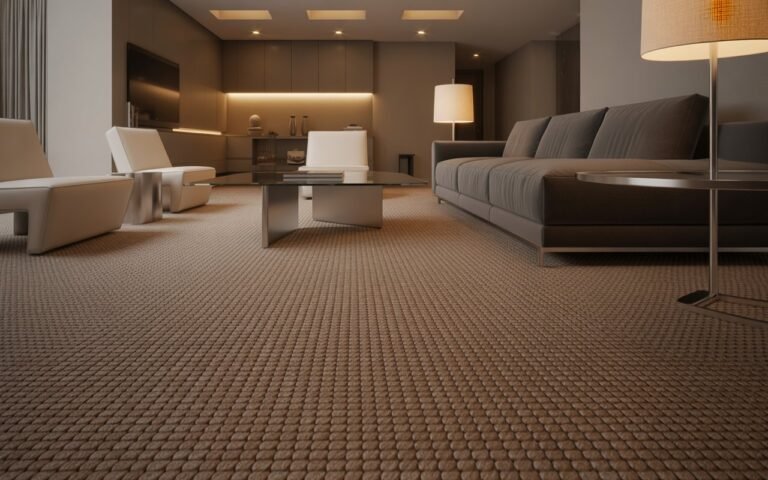
Lighting defines how a space feels more than any other element. While furniture establishes layout, lighting shapes perception, depth, and mood. A carefully selected modern floor lamp does more than illuminate—it creates zones, highlights textures, and adds a controlled layer of warmth that overhead lighting often fails to achieve. In contemporary interiors, where clean lines and minimal clutter dominate, the role of a floor lamp becomes even more critical because it combines function with visual structure.
A well-placed floor lamp can soften sharp corners, emphasize vertical space, and guide how the room is experienced during different times of day. Instead of relying on a single bright source, modern design focuses on layered lighting, where each source contributes to a balanced environment. Floor lamps are particularly effective because they are flexible, movable, and capable of delivering both ambient and task lighting without requiring structural changes.
The following ideas explore how different styles of modern floor lamps can be used intentionally. Each concept focuses on placement, lighting effect, and how the lamp interacts with surrounding elements to create a cohesive and refined space.
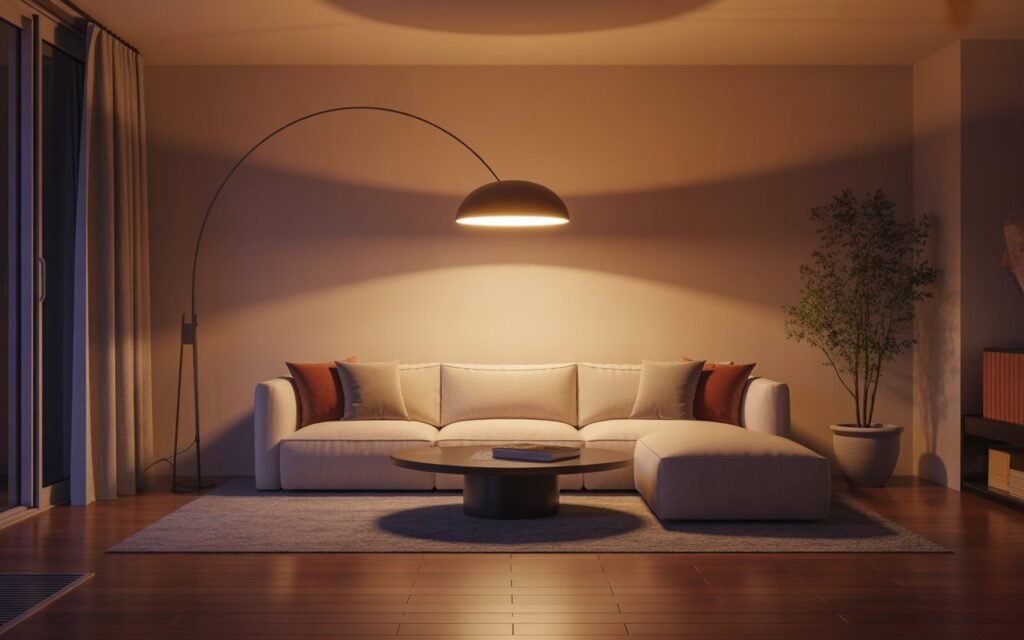
1. Arc Floor Lamp for Spatial Reach
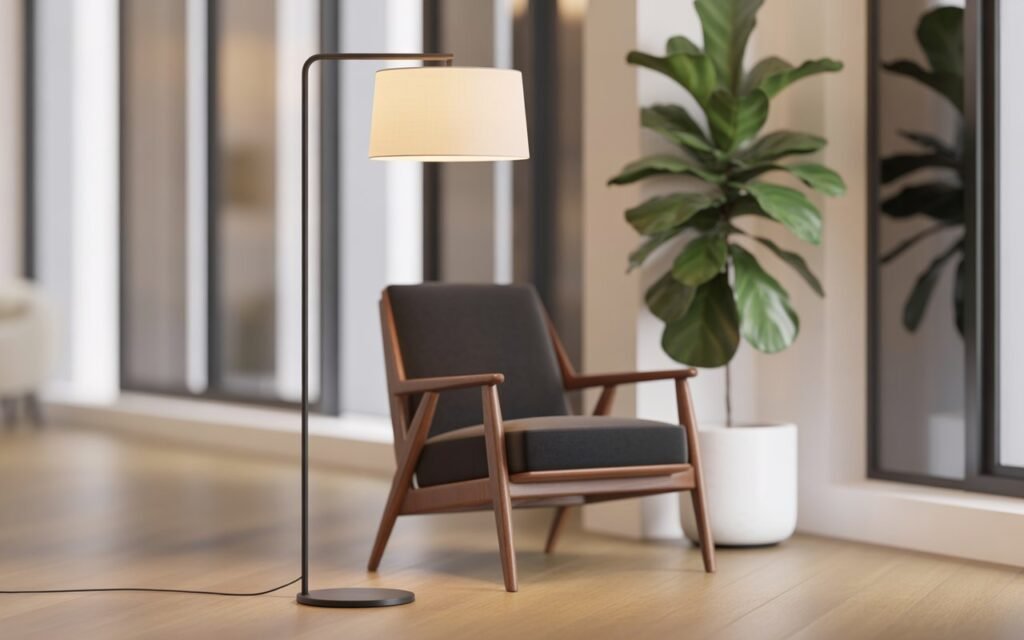
An arc floor lamp extends outward, allowing overhead-style lighting without ceiling installation. It works particularly well in seating areas.
Effect: Creates a focal curve while providing soft top-down light.
Placement: Beside sofas or beds with enough clearance.
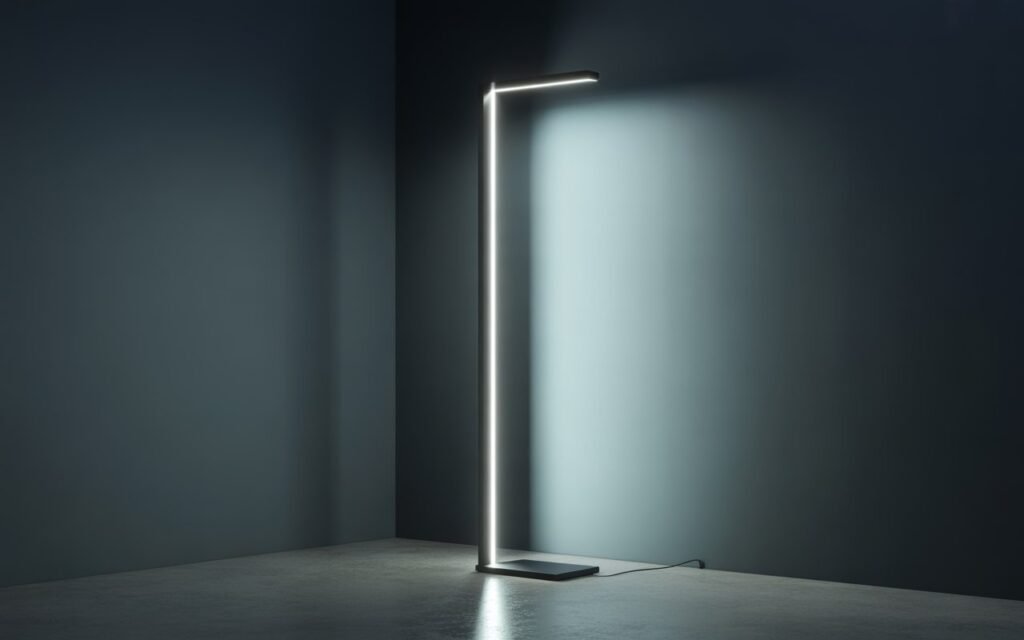
2. Slim LED Floor Lamp for Minimal Presence
Slim LED designs provide vertical illumination while visually disappearing into the room.
Effect: Adds light without interrupting clean layouts.
Placement: Corners or tight spaces.
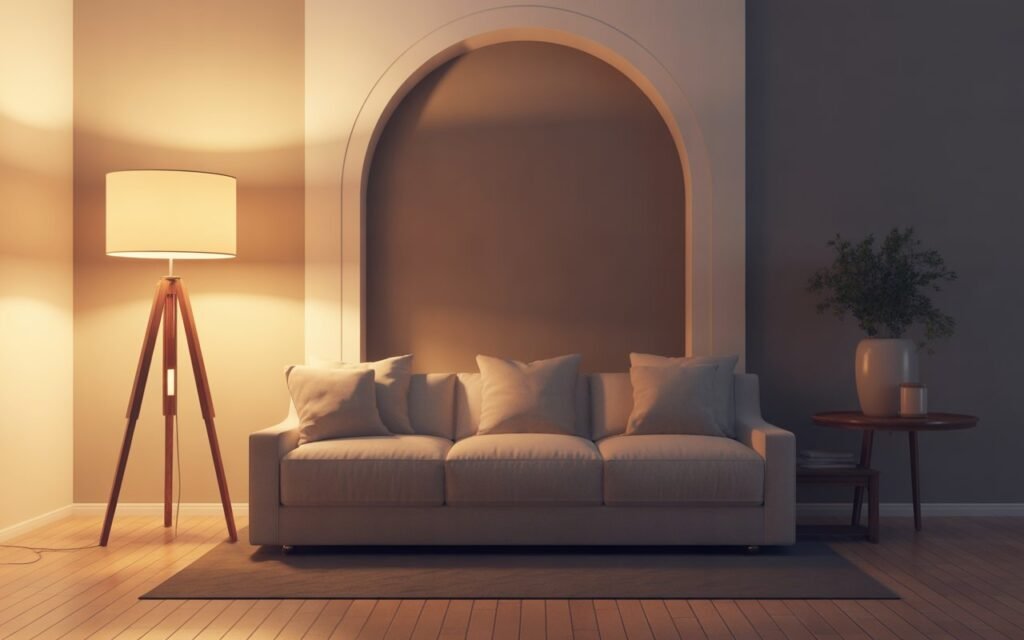
3. Tripod Floor Lamp for Structural Balance
Tripod bases introduce geometric stability and subtle visual interest.
Effect: Grounds the space and adds height contrast.
Placement: Open corners or beside accent chairs.
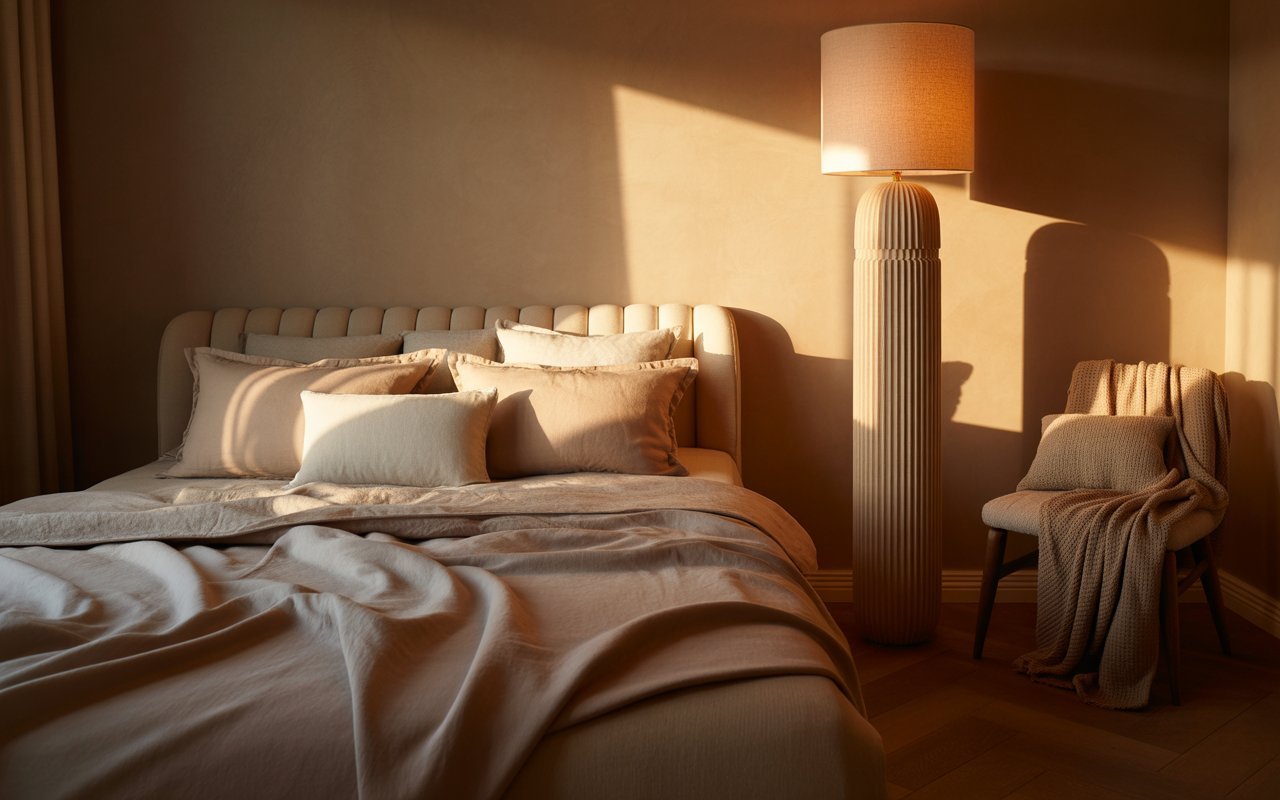
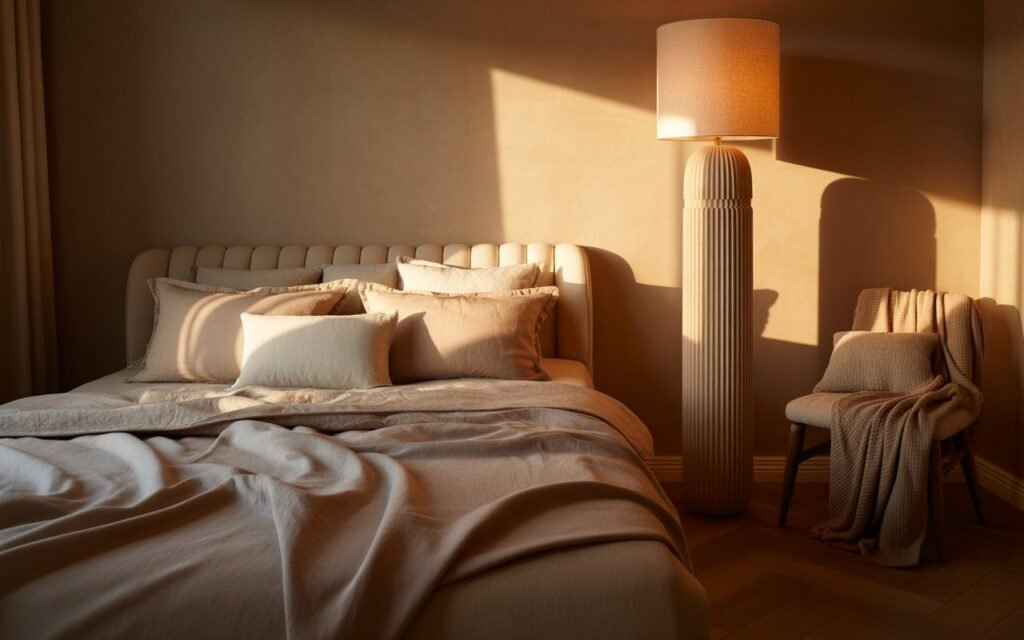
4. Warm-Tone Lamp for Relaxed Atmosphere
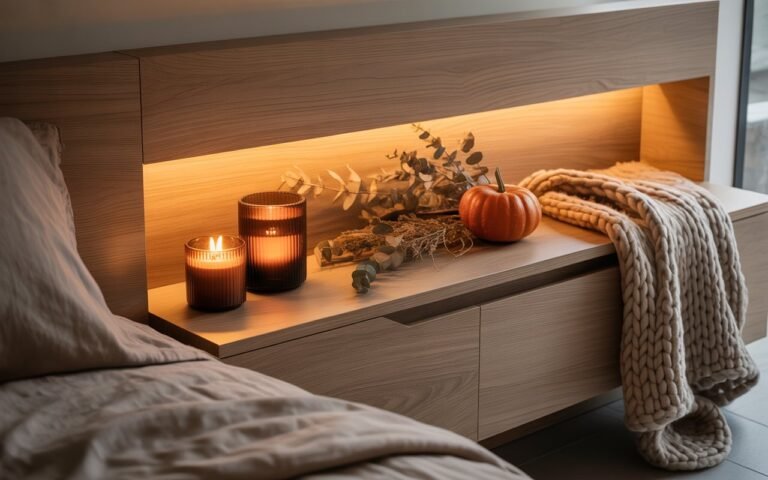
Warm lighting significantly affects comfort and mood.
Effect: Reduces harshness and creates a calming environment.
Placement: Bedrooms, lounges, or quiet corners.
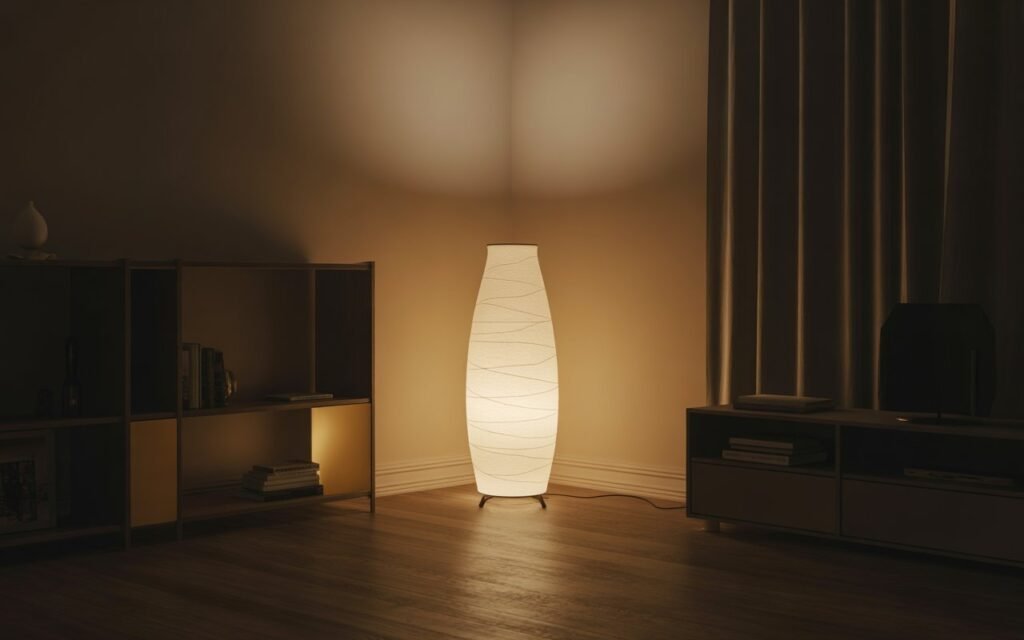
5. Corner Lighting for Depth Creation
Using a lamp in an empty corner transforms unused space into a visual layer.
Effect: Expands perceived room depth.
Placement: Dark or empty corners.
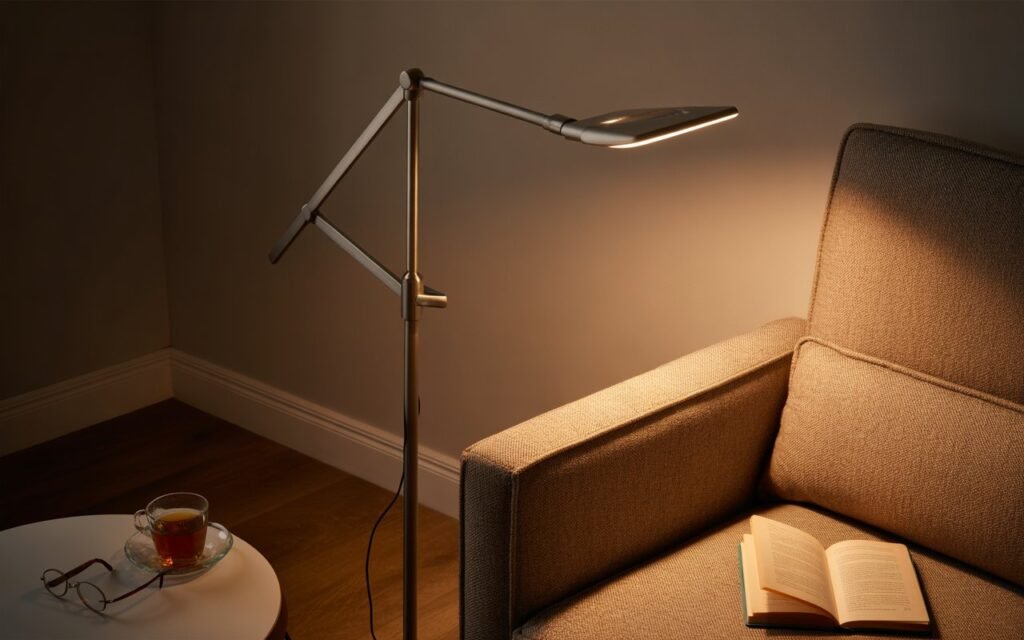
6. Adjustable Reading Lamp
Focused lighting is essential for functional areas.
Effect: Direct illumination without affecting the whole room.
Placement: Next to reading chairs or beds.
7. Statement Floor Lamp as a Design Feature
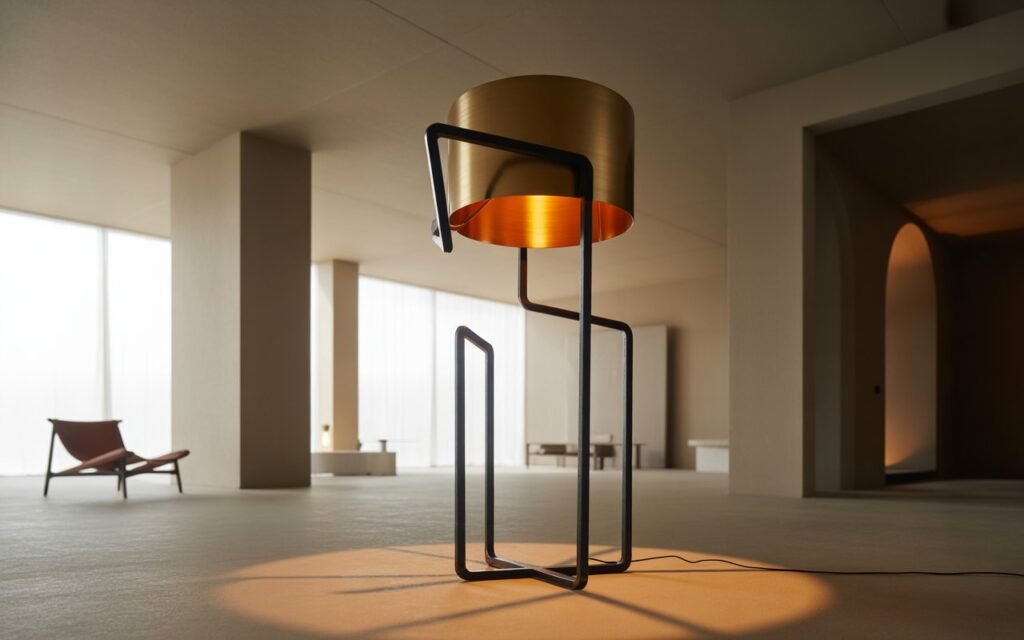
A bold lamp can act as a sculptural element.
Effect: Adds personality without additional decor.
Placement: Areas with visual breathing space.
8. Diffused Shade Lamp for Soft Light Spread
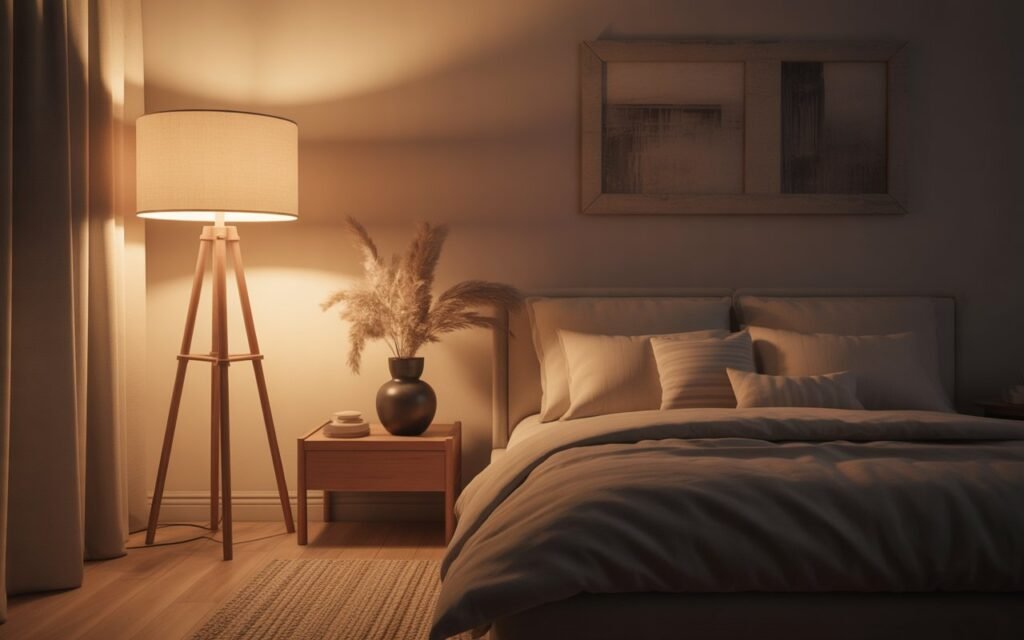
Fabric or frosted shades help distribute light evenly.
Effect: Eliminates glare and sharp shadows.
Placement: Bedrooms or relaxation zones.
9. Industrial Metal Lamp for Contrast
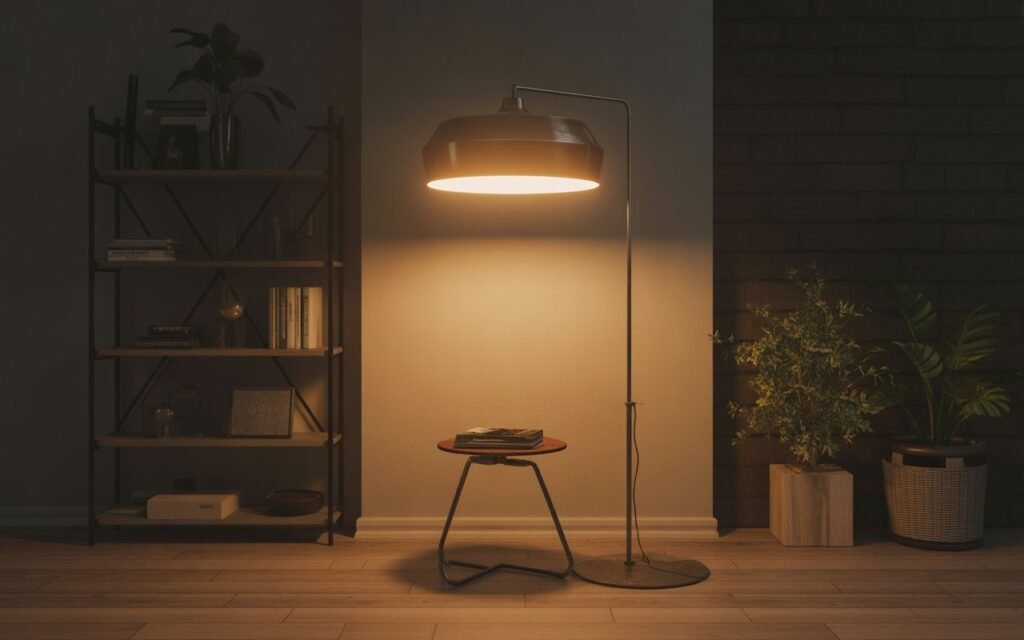
Metal finishes introduce a modern, slightly raw aesthetic.
Effect: Balances softer textures.
Placement: Contemporary or industrial interiors.
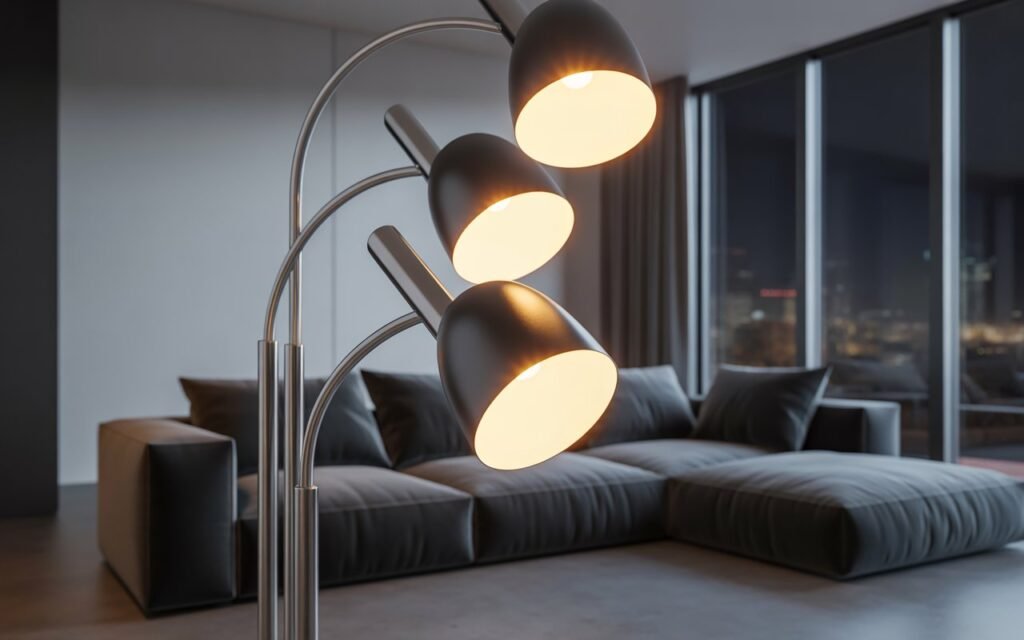
10. Multi-Light Floor Lamp for Versatility
Multiple light heads provide flexibility in lighting direction.
Effect: Combines ambient and task lighting.
Placement: Multi-use rooms.
11. Compact Lamp for Small Spaces
Not every room can accommodate large designs.
Effect: Maintains function without crowding.
Placement: Narrow gaps or beside small furniture.
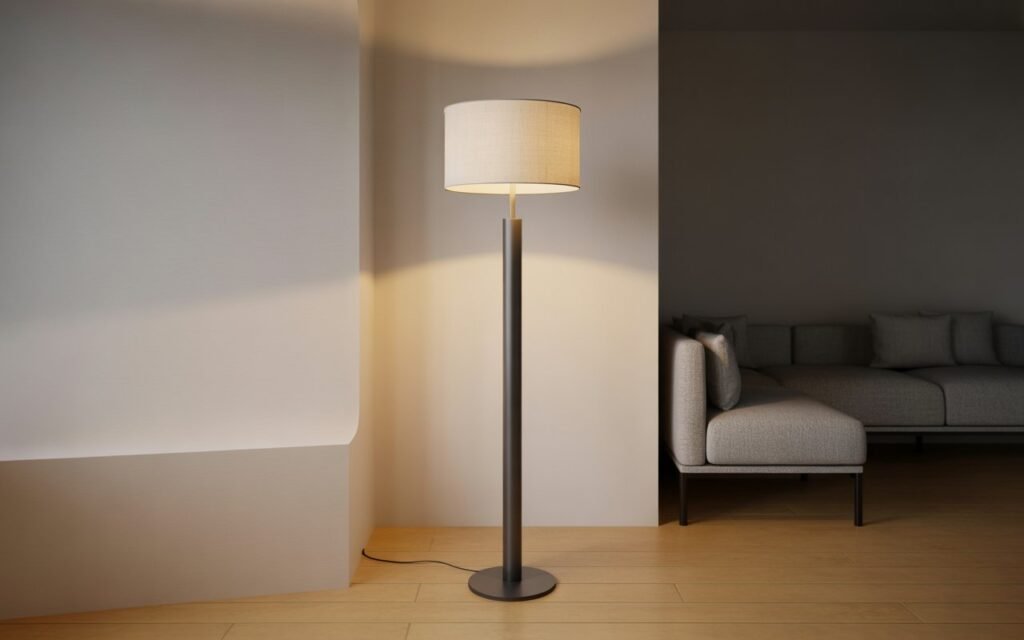
12. Behind-Sofa Placement for Indirect Glow
Positioning a lamp behind seating reduces direct glare.
Effect: Creates a soft background glow.
Placement: Behind sofas or sectionals.
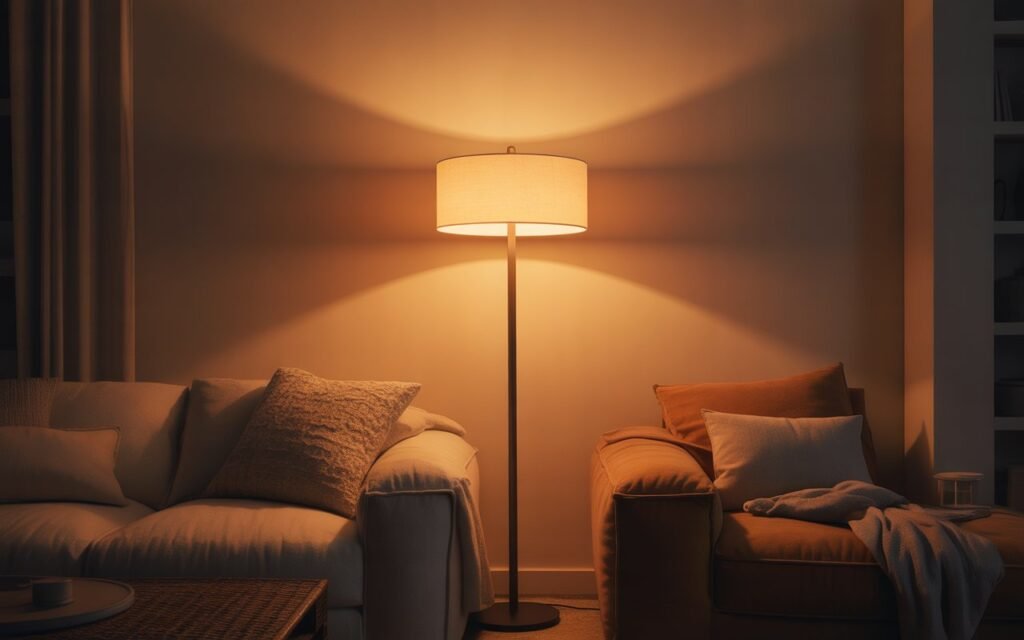
13. Glass Shade Lamp for Even Distribution
Glass allows light to spread naturally.
Effect: Improves brightness while maintaining softness.
Placement: Living rooms or open areas.
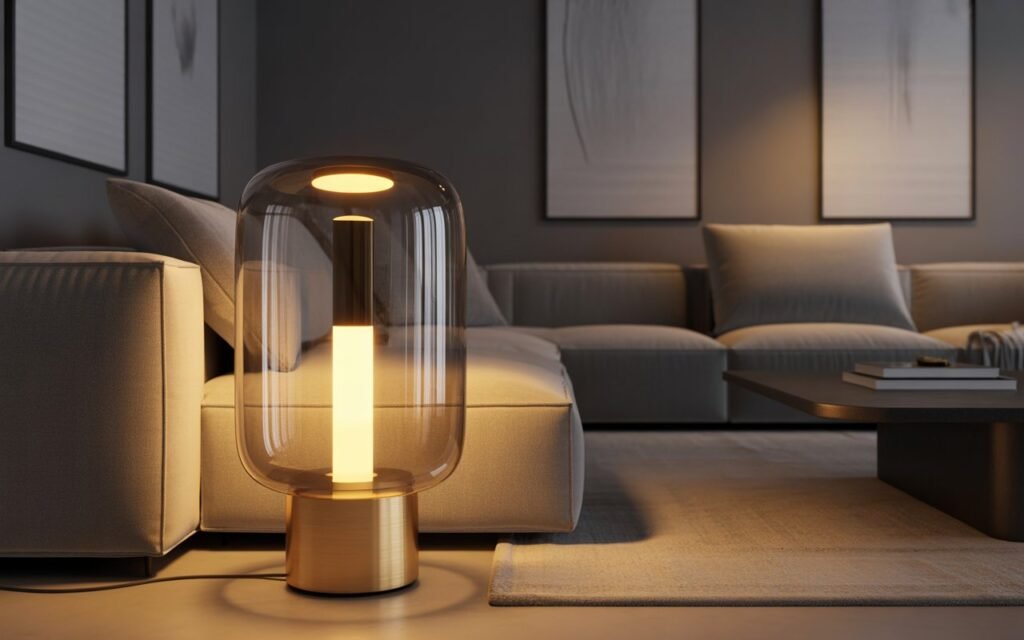
14. Dark Finish Lamp for Visual Contrast
Black or dark-toned lamps create grounding elements.
Effect: Anchors light-colored interiors.
Placement: Neutral or minimal rooms.
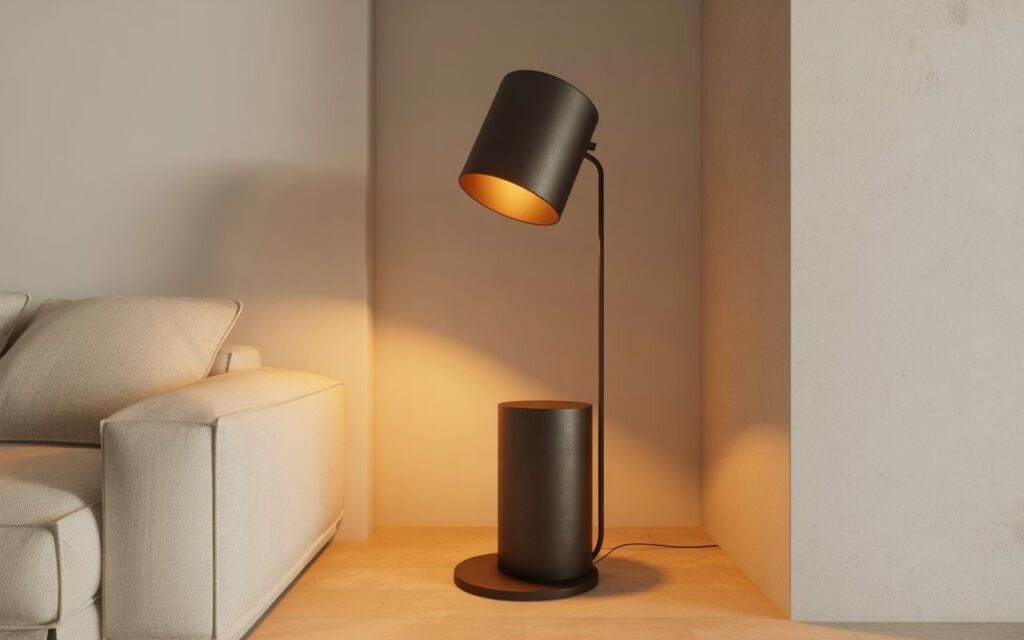
15. Wooden Base Lamp for Warm Texture
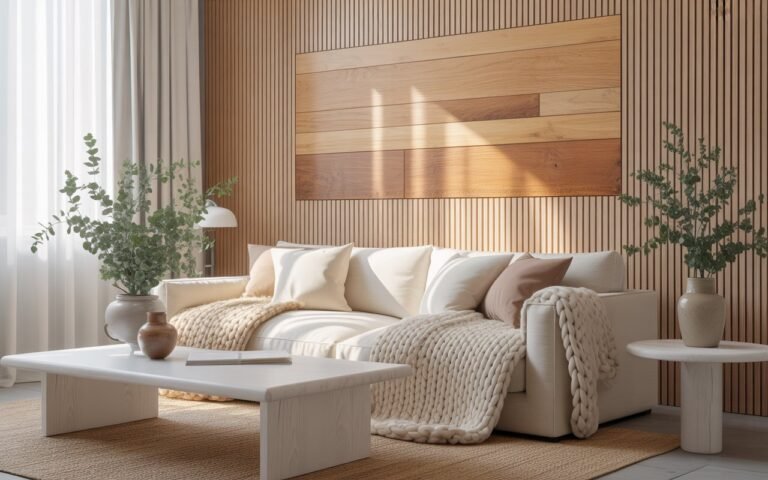
Natural materials soften modern spaces.
Effect: Adds warmth and tactile contrast.
Placement: Bedrooms or cozy corners.
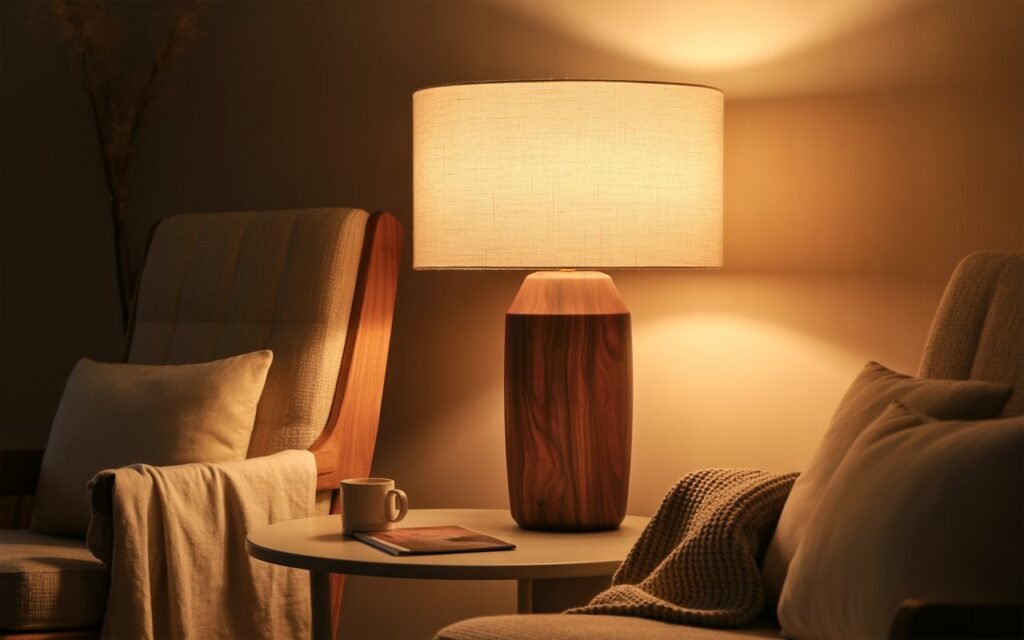
16. Adjustable Height Design
Flexibility improves usability.
Effect: Adapts to different tasks and seating heights.
Placement: Work or reading areas.
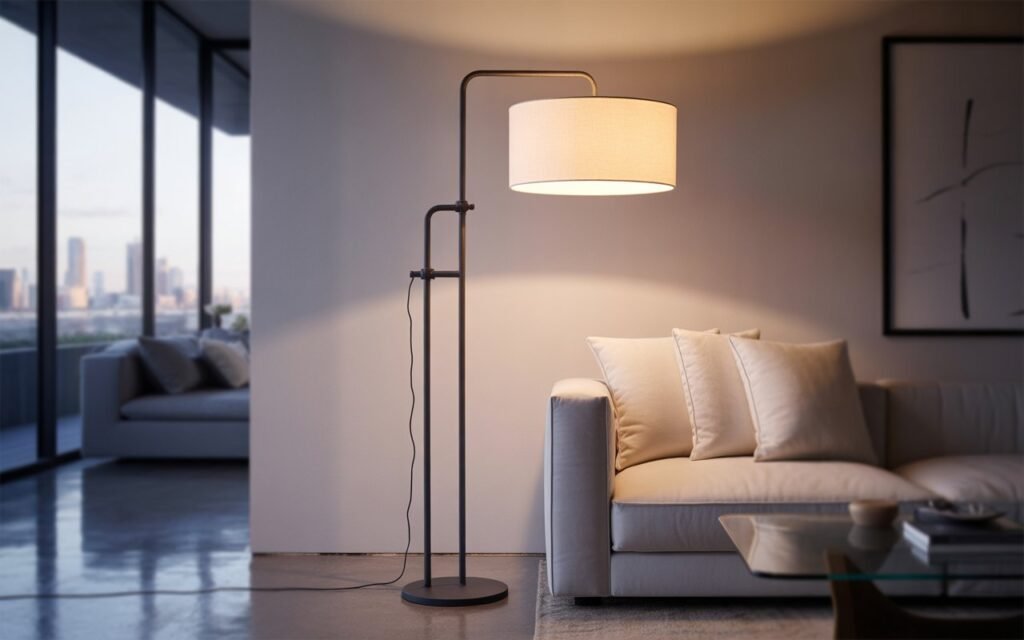
17. Layered Lighting Integration
Floor lamps work best when combined with other light sources.
Effect: Creates depth and dimension.
Placement: Use alongside ceiling and table lighting.
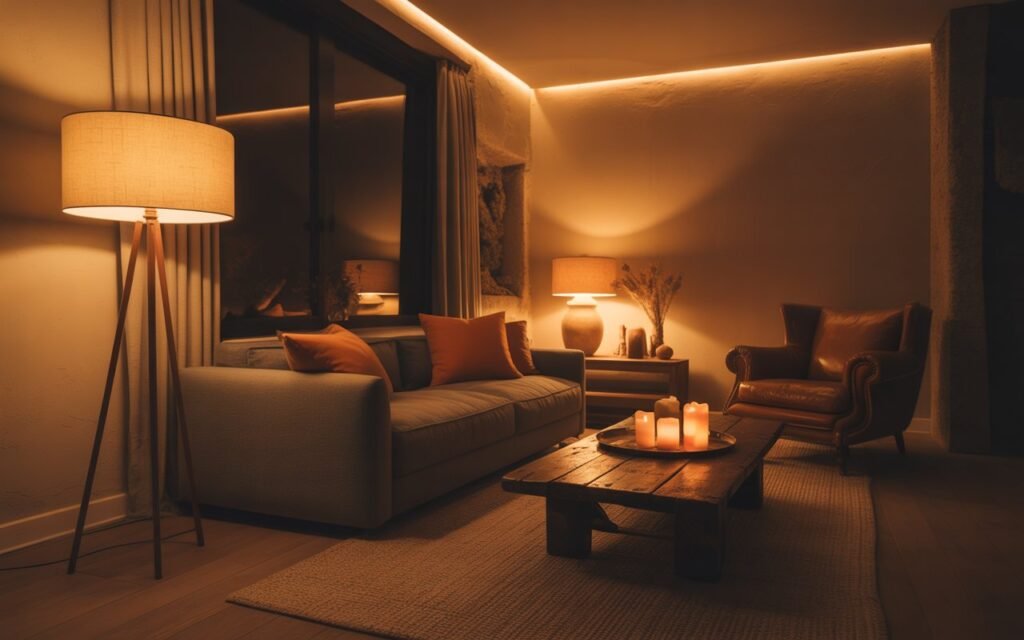
18. Decorative Integration with Furniture
A lamp should complement surrounding elements.
Effect: Enhances cohesion.
Placement: Near plants, sofas, or shelving.
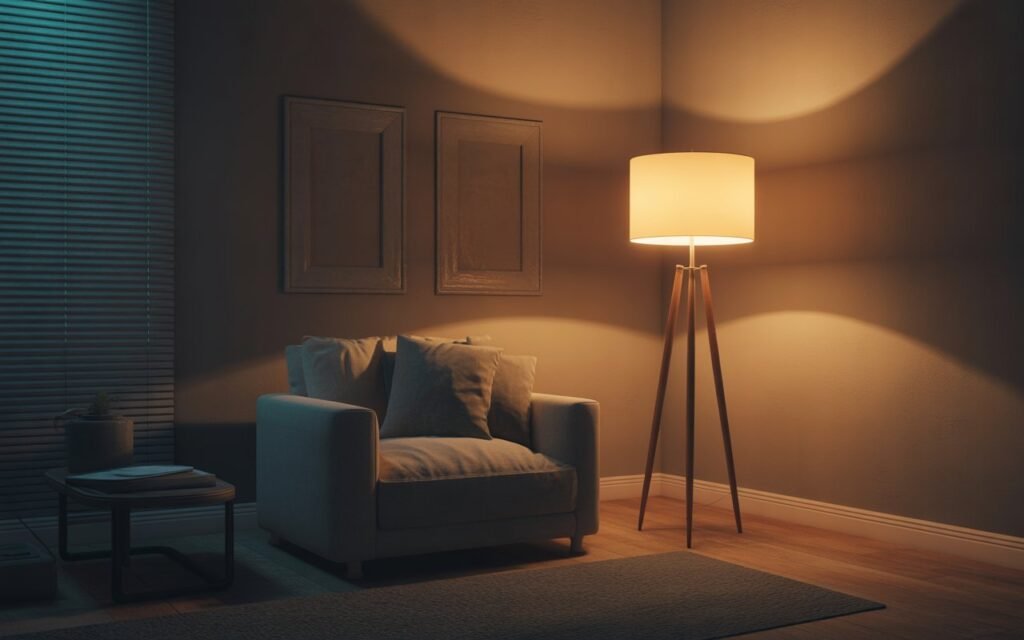
19. Warm Corner Glow for Atmosphere
A single lamp can define the mood of an entire room.
Effect: Creates a calm and inviting environment.
Placement: Bedroom or living room corners.
Conclusion
A modern floor lamp is not simply a lighting accessory—it is a tool for shaping how a space feels and functions. When used intentionally, it introduces depth, improves usability, and enhances visual balance without adding unnecessary complexity. The key lies in understanding placement, selecting the right light temperature, and maintaining harmony with the overall interior design.
Rather than relying solely on overhead lighting, incorporating floor lamps allows for a more controlled and comfortable environment. Small changes in positioning or lamp style can significantly influence the atmosphere, making the space feel more refined and complete. Over time, refining lighting choices often has a greater impact than adding new furniture or decor.