Introduction
Creating a dedicated yoga space at home is no longer a luxury—it’s a practical way to support mental clarity, physical health, and daily consistency. A well-designed home yoga room doesn’t need a large area or expensive decor. What matters is how the space feels: calm, open, and distraction-free.
The most effective yoga spaces combine simplicity with intention. Lighting, layout, textures, and color choices all influence how comfortable and focused you feel during practice. Whether you have an entire room or just a small corner, the following ideas will help you design a space that supports both relaxation and discipline.
1. Minimalist Yoga Room Setup
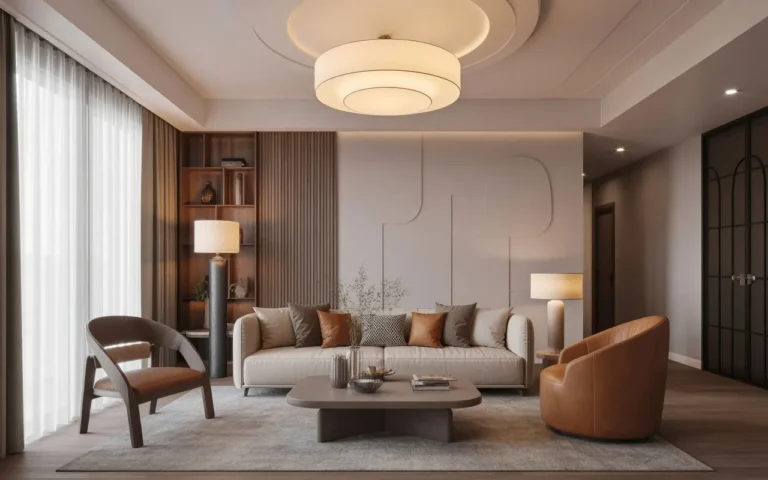
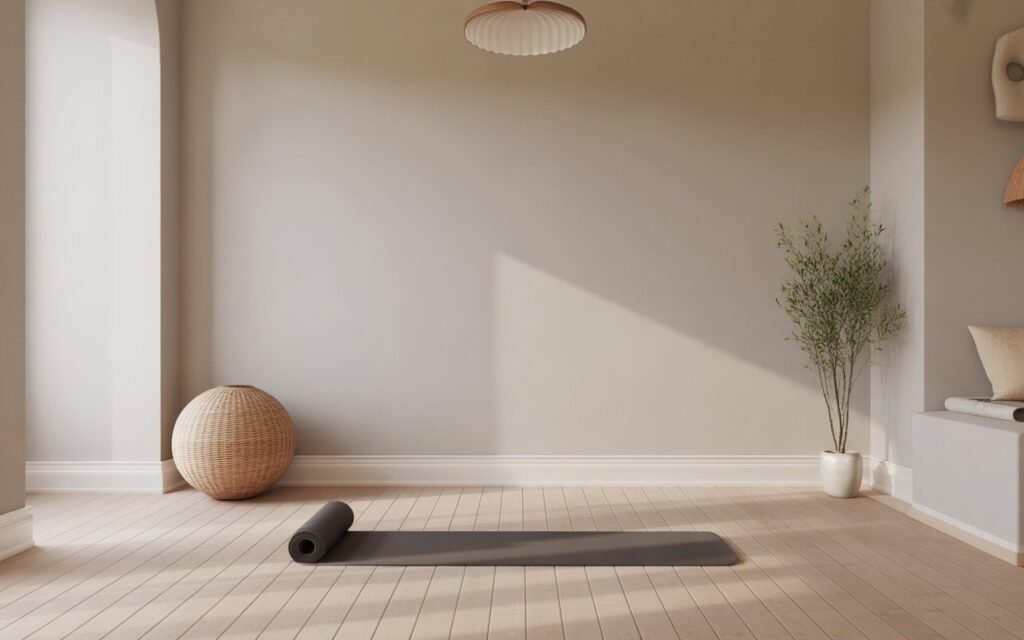
A minimalist approach keeps your space free from distractions. Use only essential items like a yoga mat, cushion, and one or two decor elements. Neutral tones such as white, beige, or soft gray help create a calm environment that supports focus.
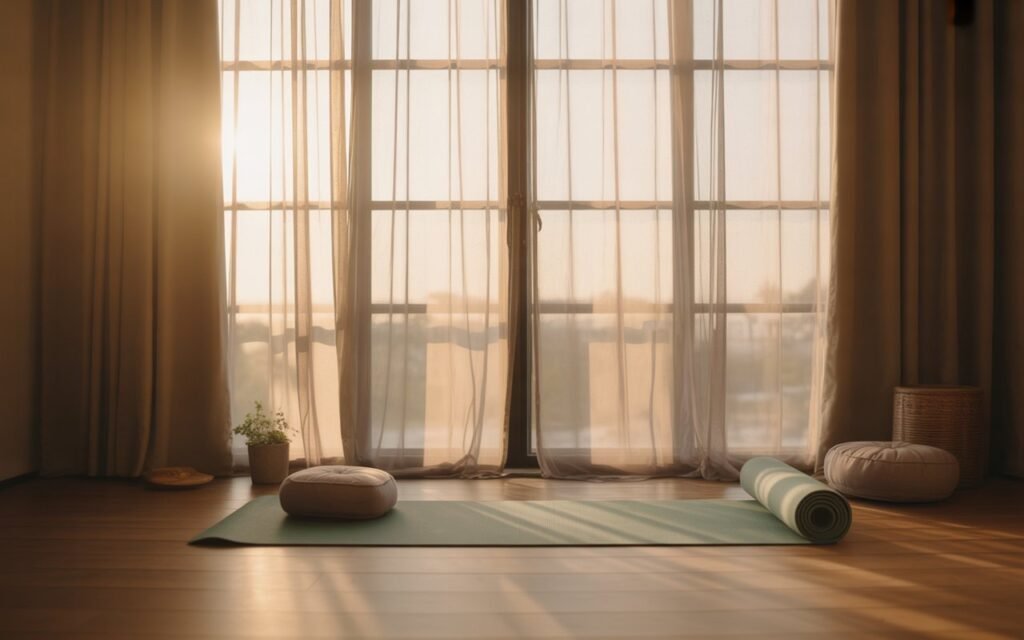
2. Natural Light-Focused Space
Position your yoga area near a window to take advantage of natural light. Sunlight enhances mood and makes the space feel more open and breathable. Sheer curtains can soften the light without blocking it completely.
3. Small Corner Yoga Space
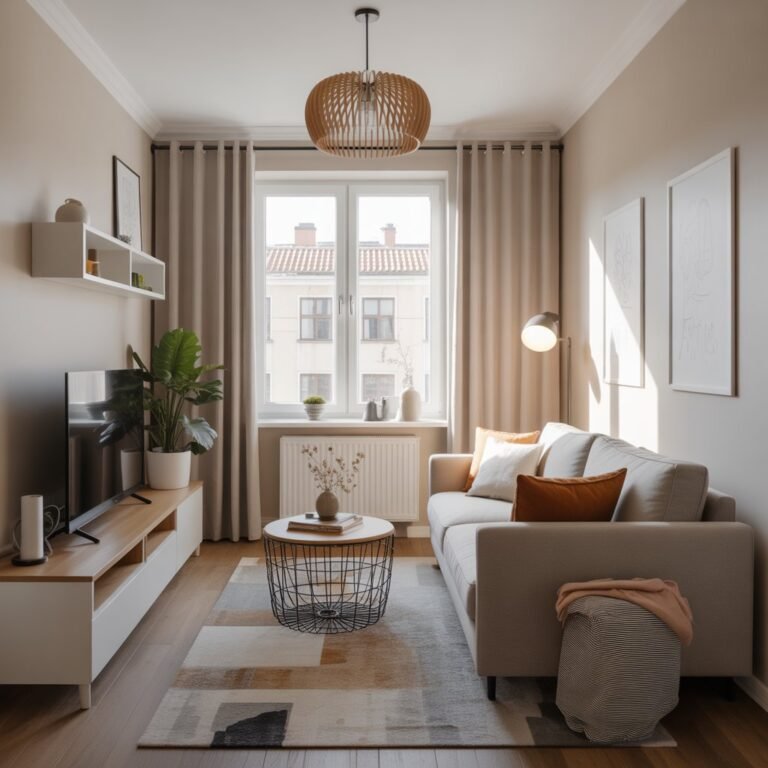
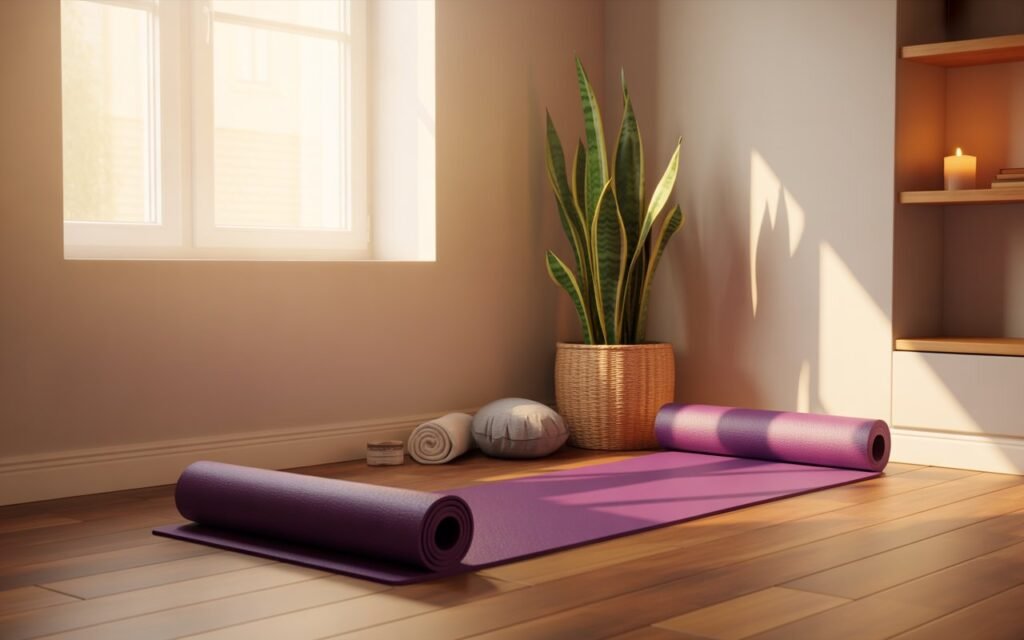
If you don’t have a full room, dedicate a corner of your bedroom or living area. Use a mat, a small shelf, and a plant to define the space. Keeping it consistent helps build a habit.
4. Floor Seating Meditation Area
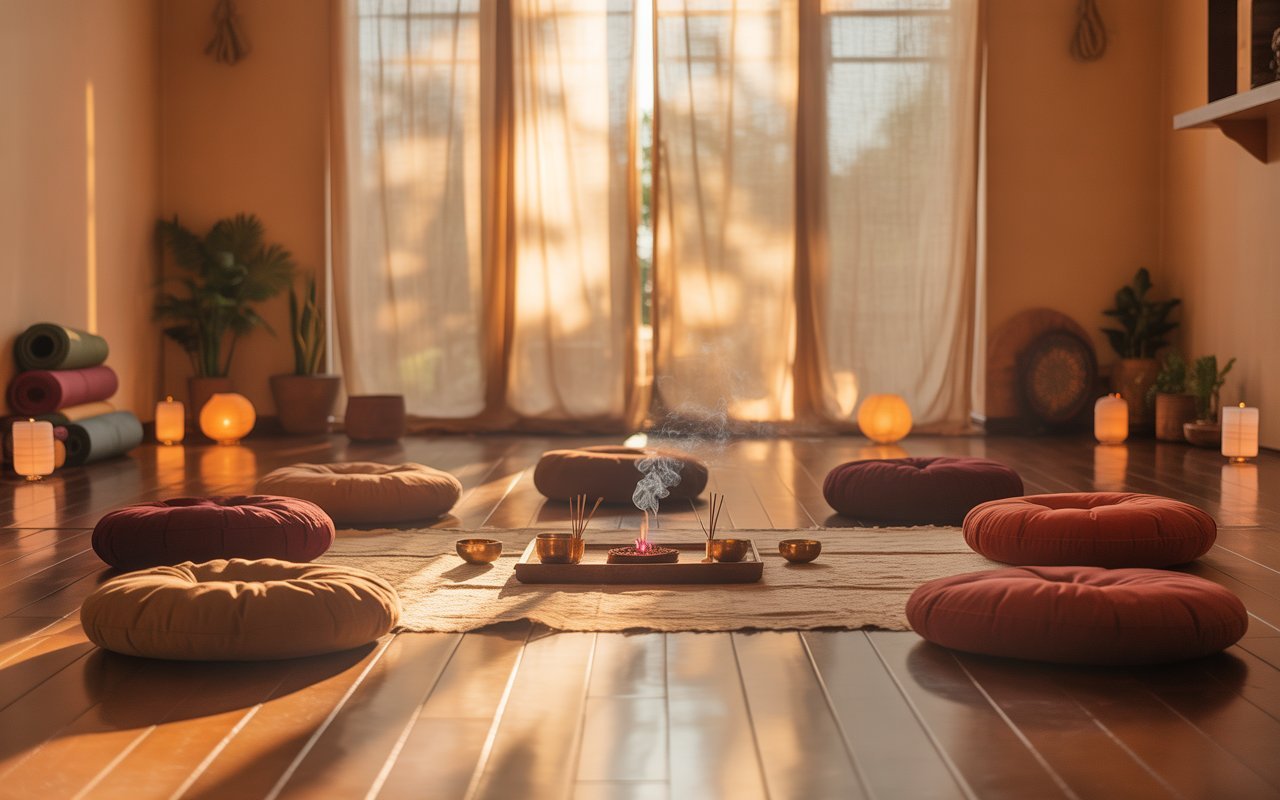
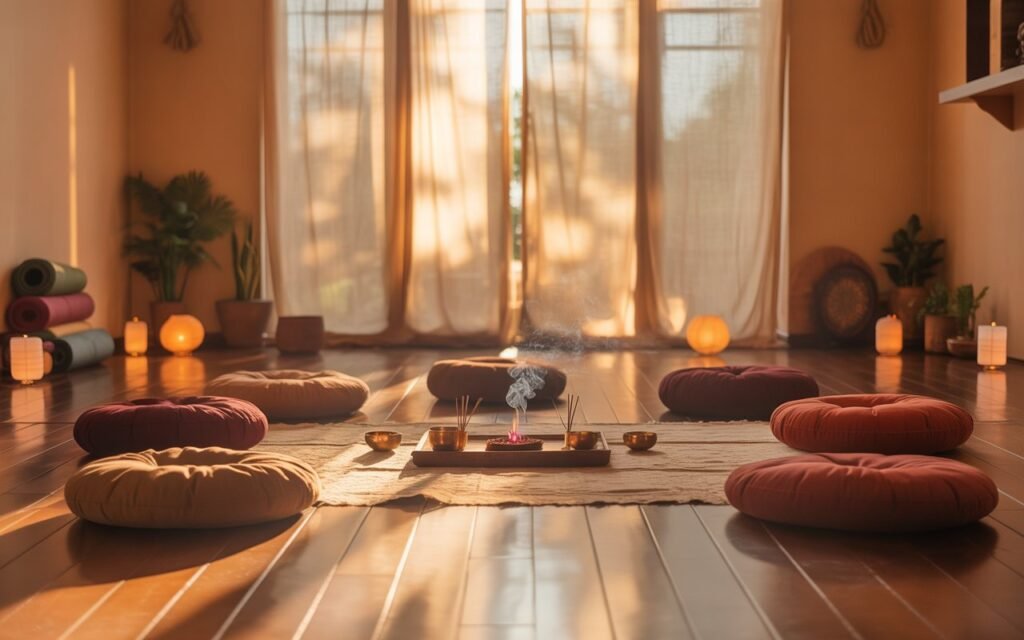
Incorporate floor cushions or a low meditation bench. This setup works well for both yoga and meditation, making your space more versatile and functional.
5. Indoor Plant Integration
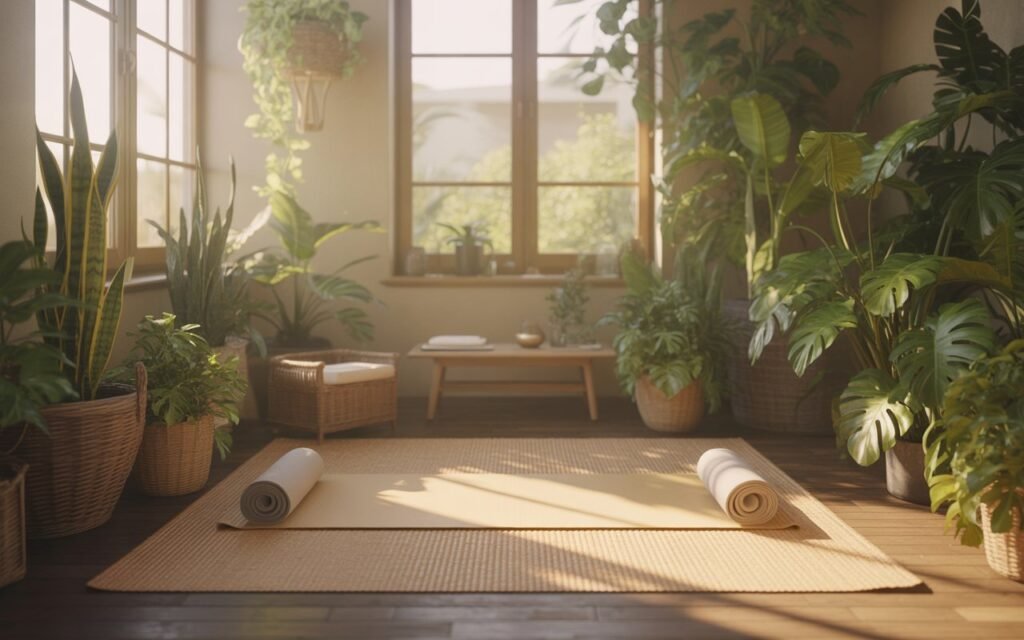
Plants improve air quality and add a natural element. Choose low-maintenance plants like snake plants or peace lilies to create a calming, grounded atmosphere.
6. Soft Neutral Color Palette
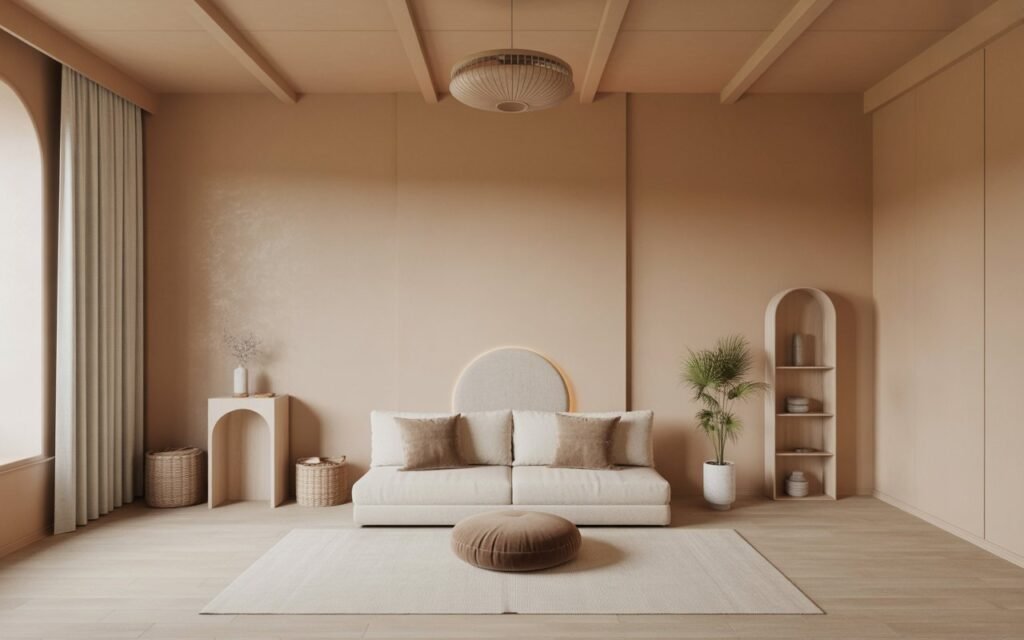
Stick to soft, muted tones for walls and decor. Colors like beige, off-white, and light wood shades create a soothing visual experience and reduce mental clutter.
7. Wooden Flooring or Mats
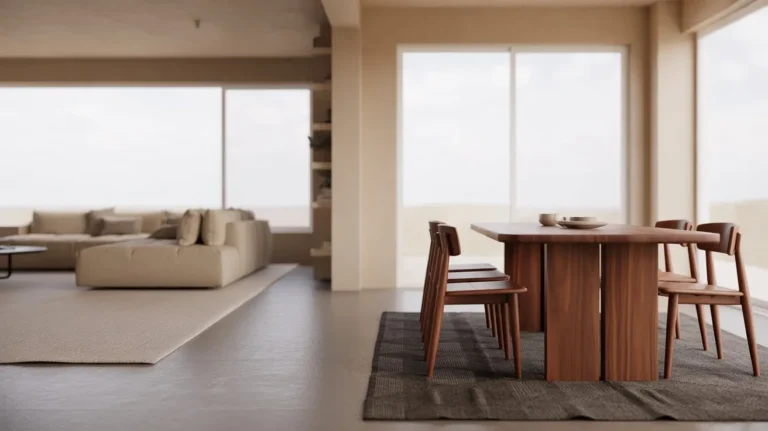
Wood textures bring warmth and a natural feel. If real wood flooring isn’t possible, use bamboo mats or wooden-style vinyl to achieve a similar effect.
8. Wall Art with Affirmations
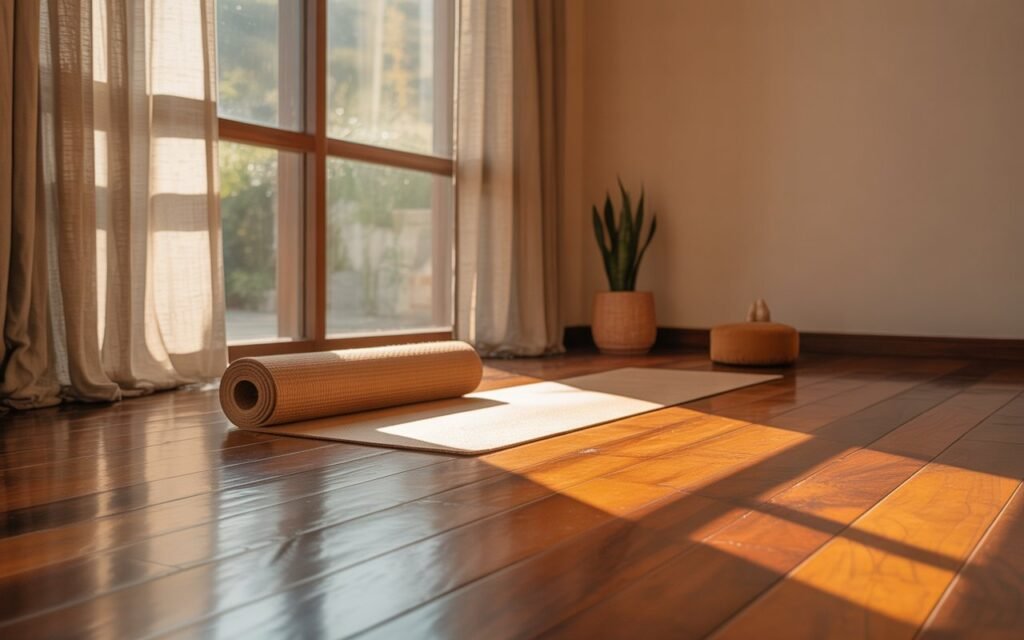
Add simple wall art featuring calming quotes or affirmations. This not only enhances the aesthetic but also reinforces a positive mindset during practice.
9. Candle-Lit Ambiance
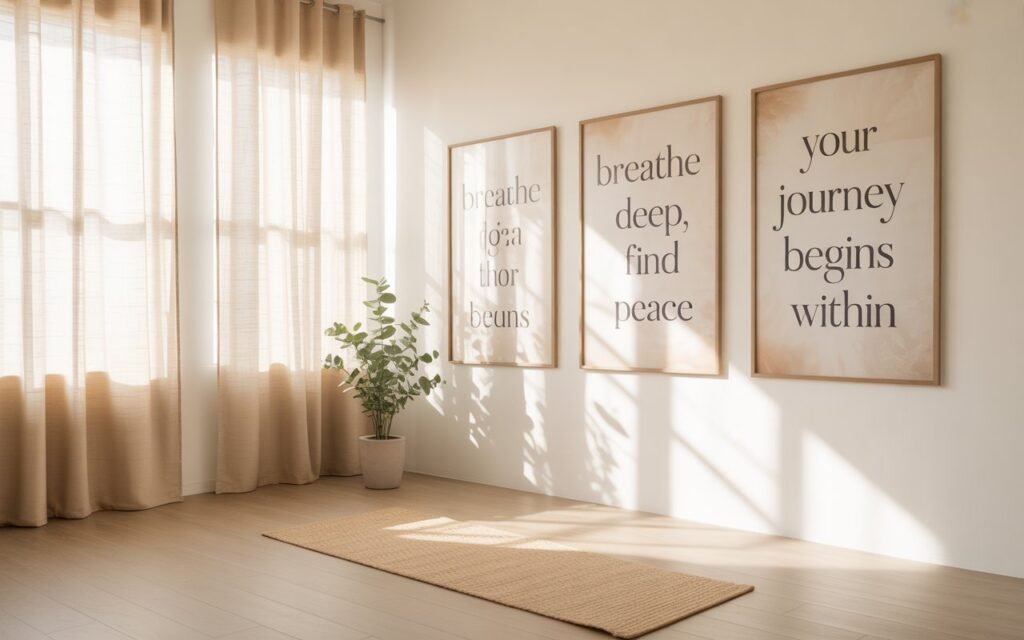
Candles create a warm and peaceful atmosphere, especially for evening sessions. Use subtle scents like lavender or sandalwood to enhance relaxation.
10. Mirror for Form and Space
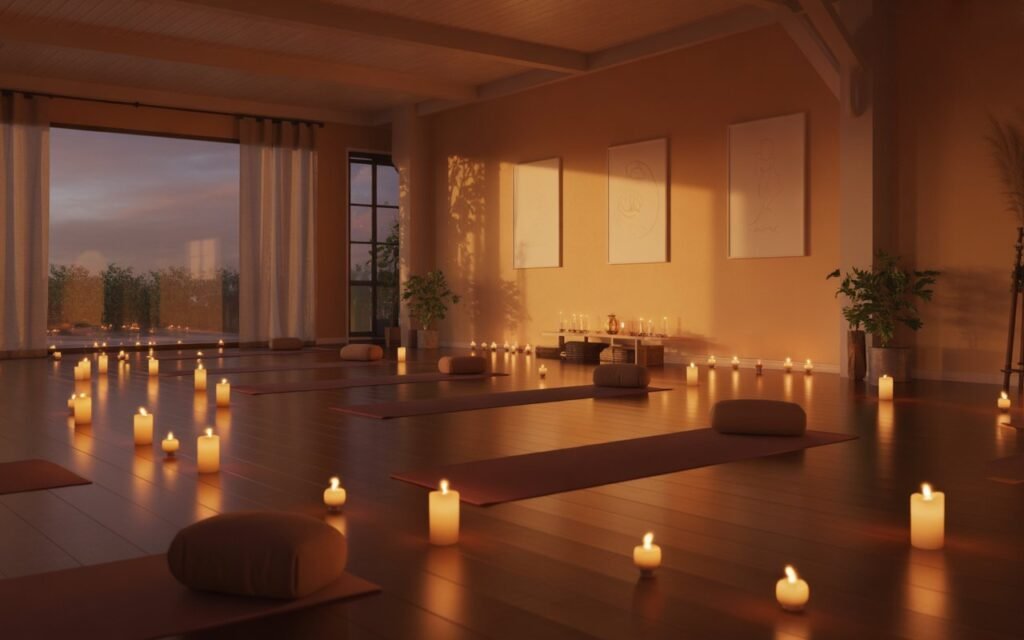
A mirror helps you check your posture and also makes the room feel larger. Keep it simple and avoid over-decorated frames.
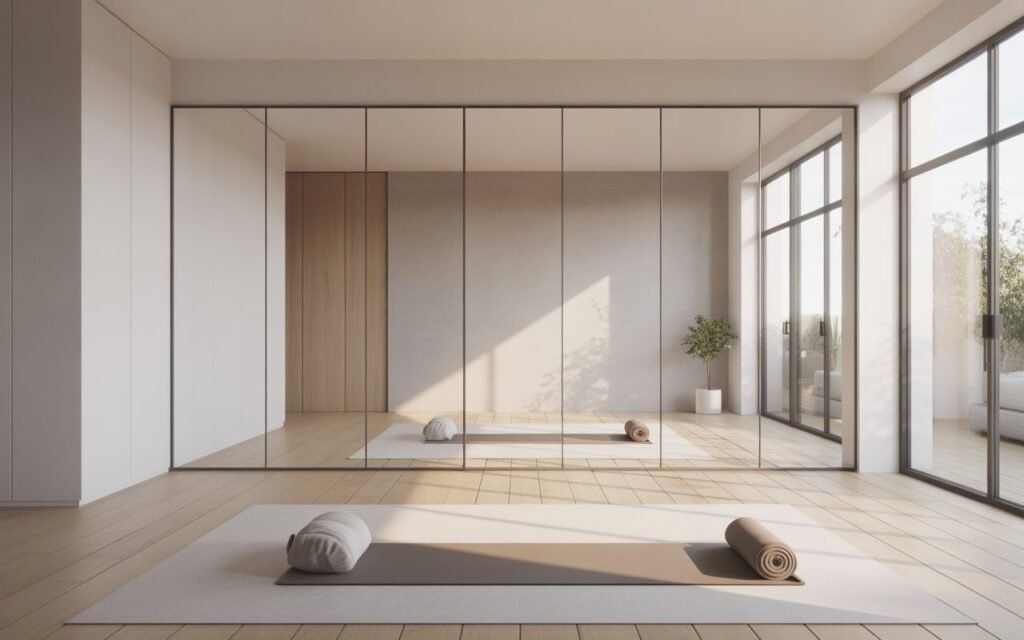
11. Open and Clutter-Free Layout
Avoid filling the space with unnecessary items. A clean, open layout allows free movement and reduces distractions, making your practice more effective.
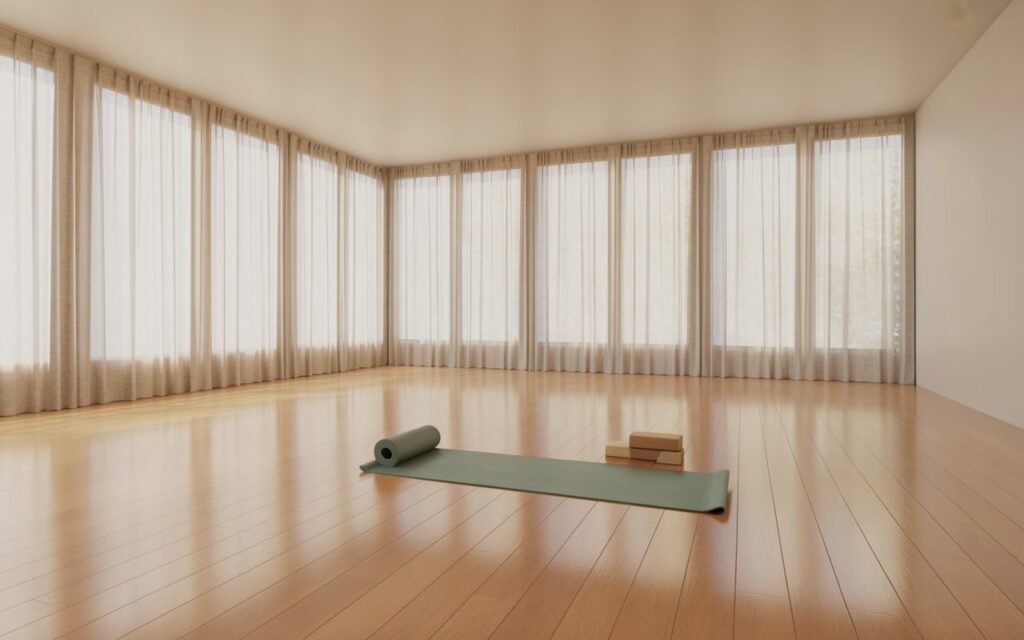
12. Floating Shelves for Storage
Install small floating shelves to store yoga blocks, straps, or books. This keeps the floor clear while maintaining easy access to essentials.
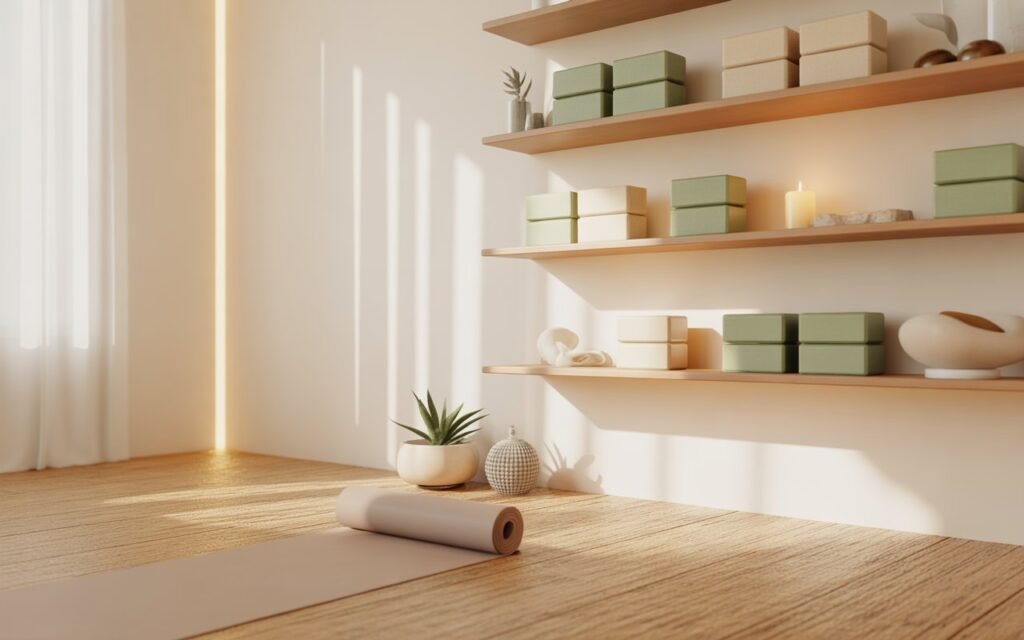
13. Low Lighting for Evening Practice
Use warm, dim lighting for night sessions. Floor lamps or soft LED lights create a calming atmosphere that helps transition your body into relaxation mode.
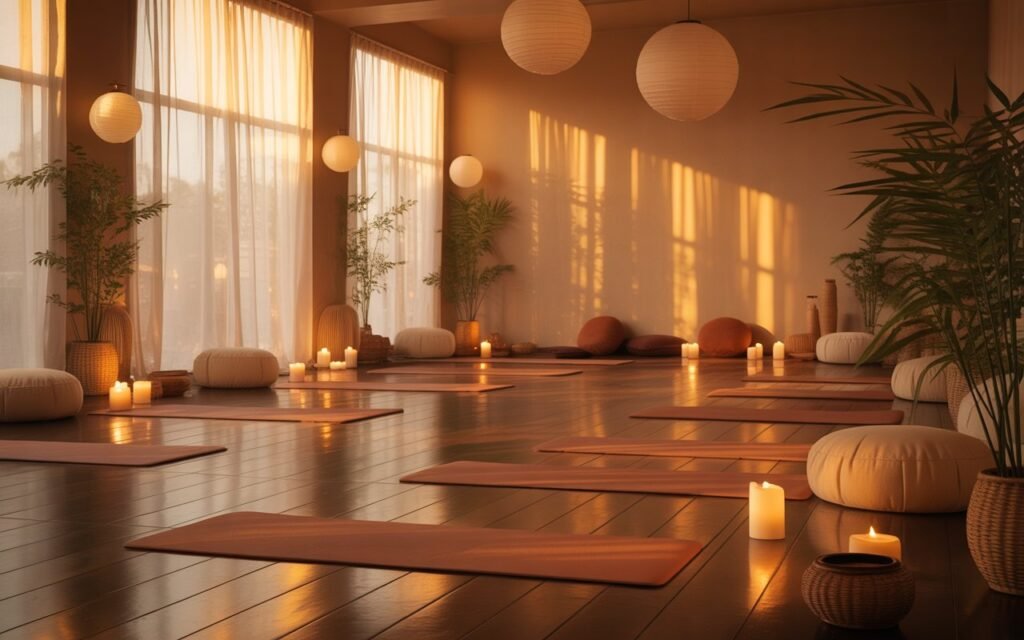
14. Zen-Inspired Decor Elements
Incorporate simple Zen elements like stones, sand trays, or small fountains. These details enhance the meditative quality of your yoga space.
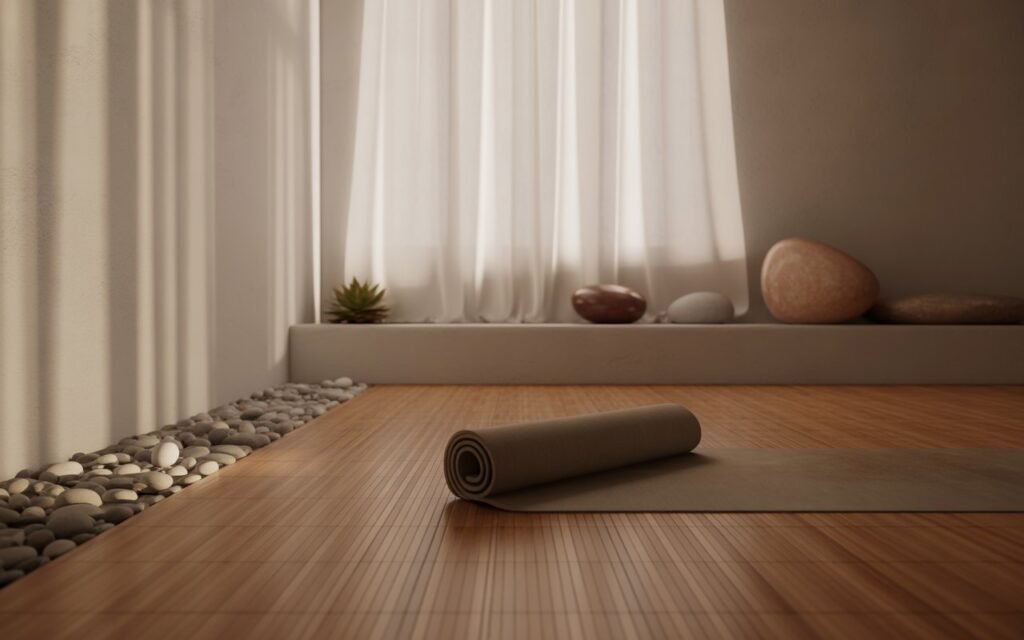
15. Aromatherapy Setup
Use essential oil diffusers to create a calming scent environment. Lavender, eucalyptus, and chamomile are popular choices for yoga and meditation.
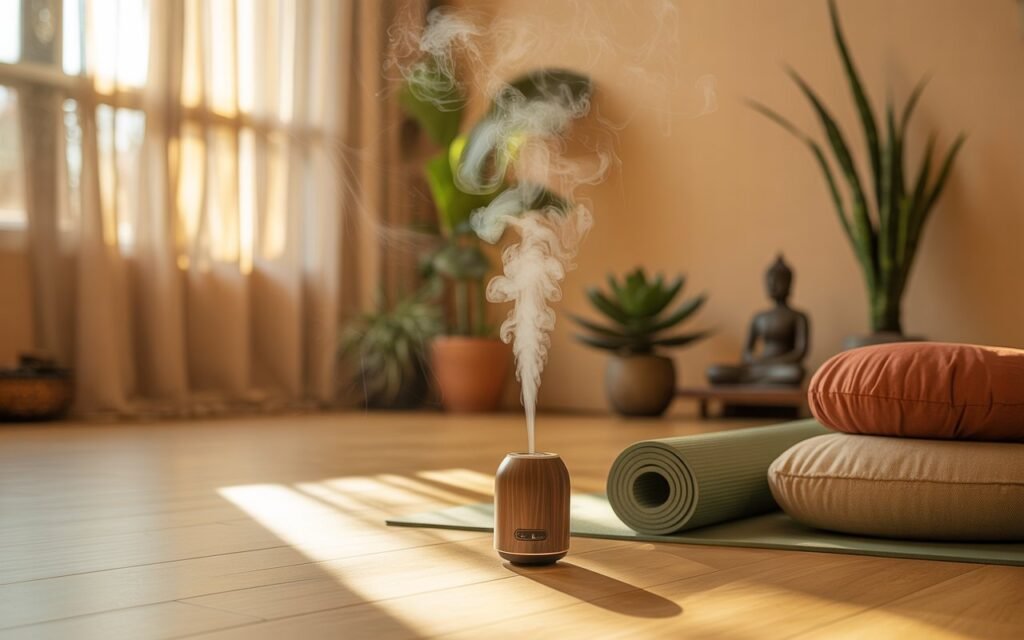
16. Foldable Storage Solutions
If space is limited, use foldable mats and collapsible storage boxes. This allows you to set up and pack away your yoga area easily.
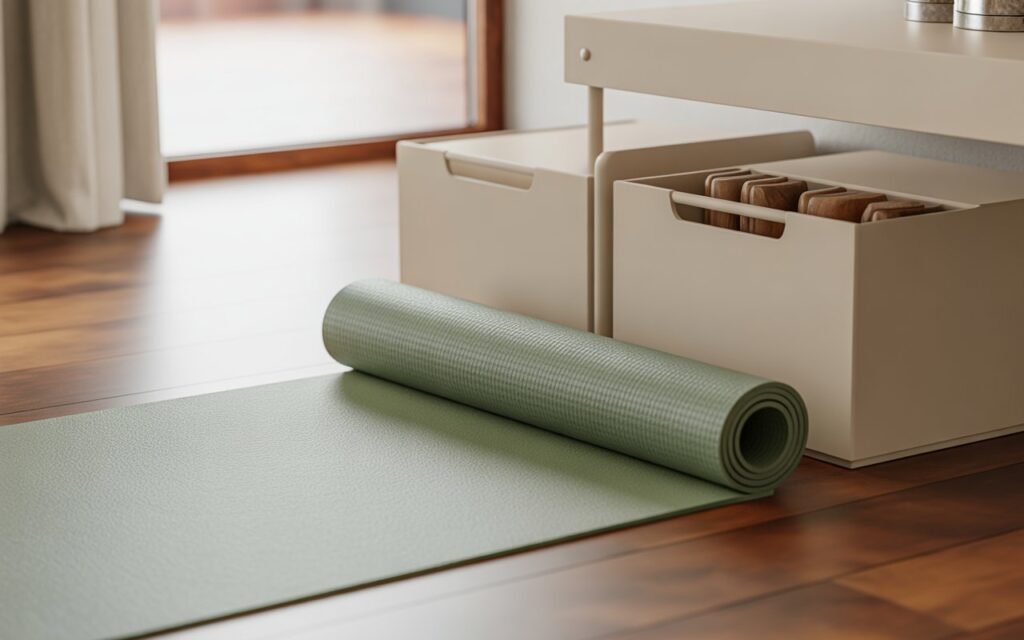
17. Curtain Divider for Privacy
Use curtains to separate your yoga space from the rest of the room. This creates a sense of privacy and helps mentally switch into practice mode.
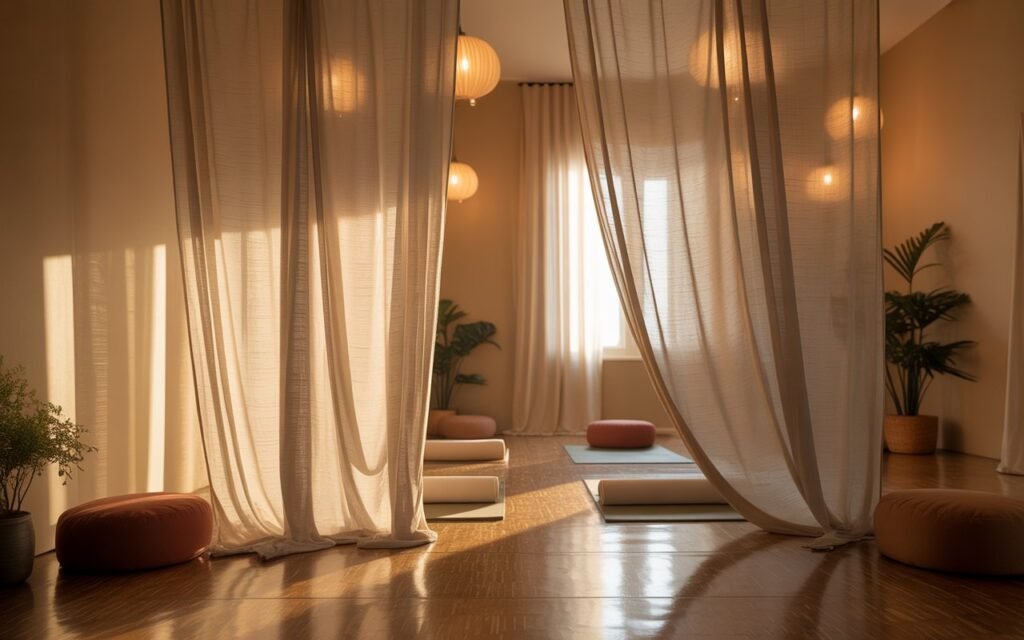
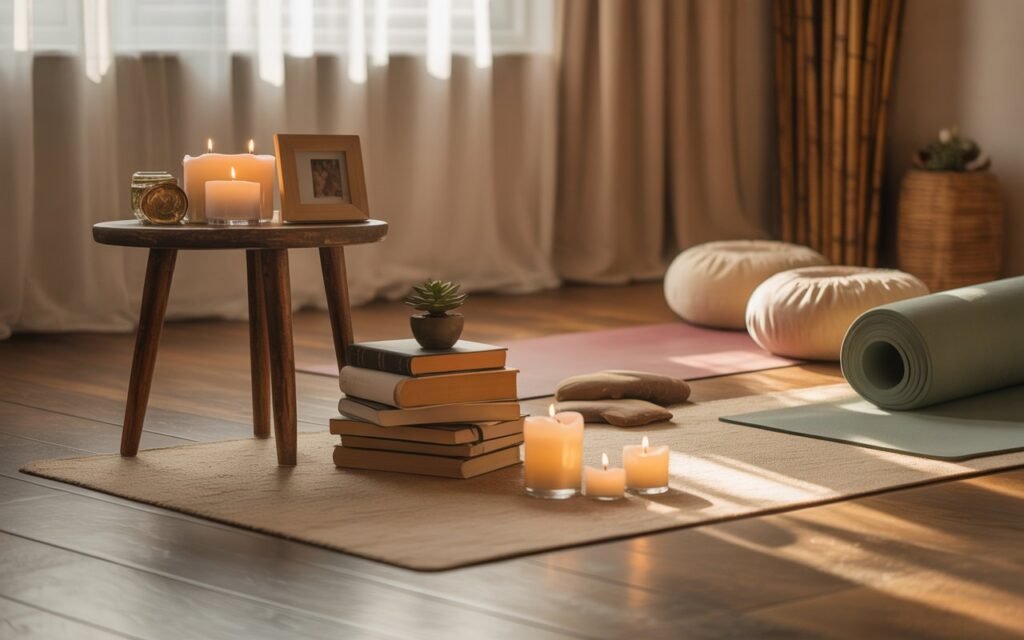
18. Personal Zen Corner
Add a small table with meaningful items like books, crystals, or journals. This makes your yoga space feel personal and intentional.
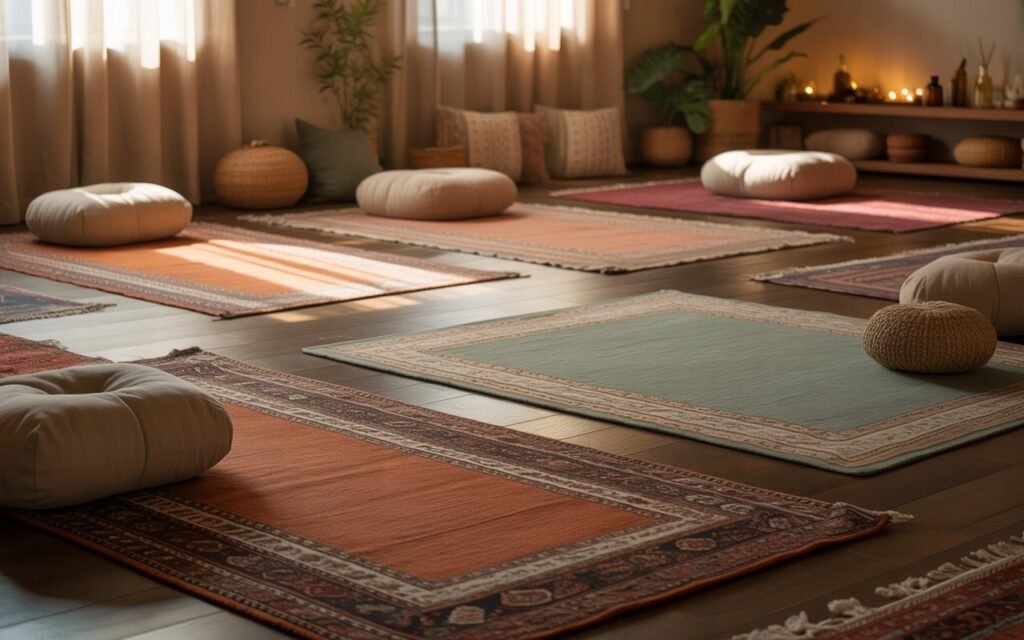
19. Textured Rugs for Comfort
Layering rugs adds comfort and warmth. Choose natural materials like jute or cotton for a grounded, organic feel.
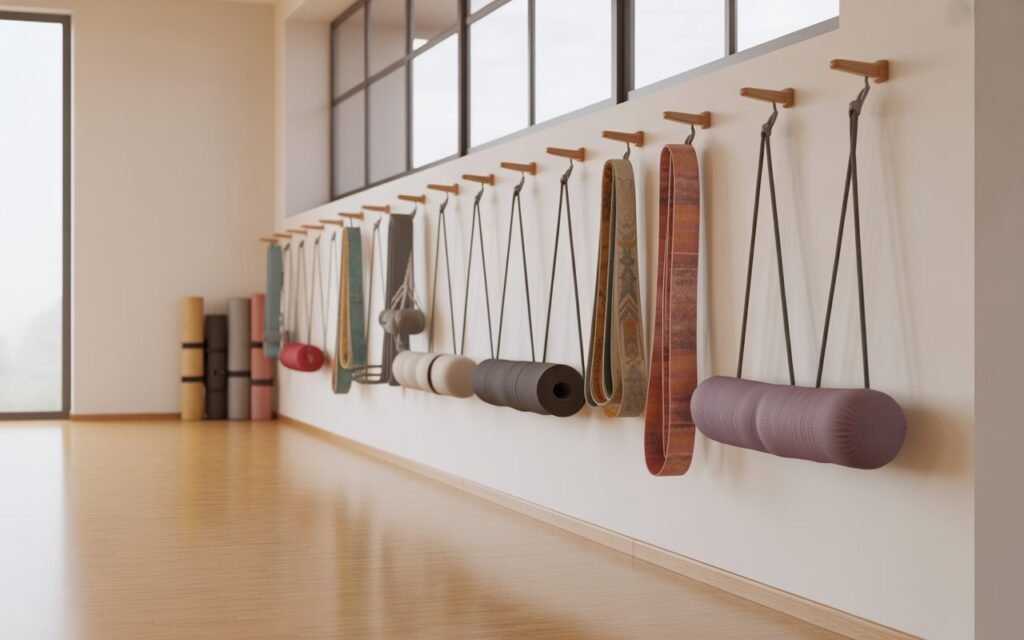
20. Wall Hooks for Accessories
Install simple hooks to hang yoga straps, resistance bands, or towels. This keeps your space organized without adding clutter.
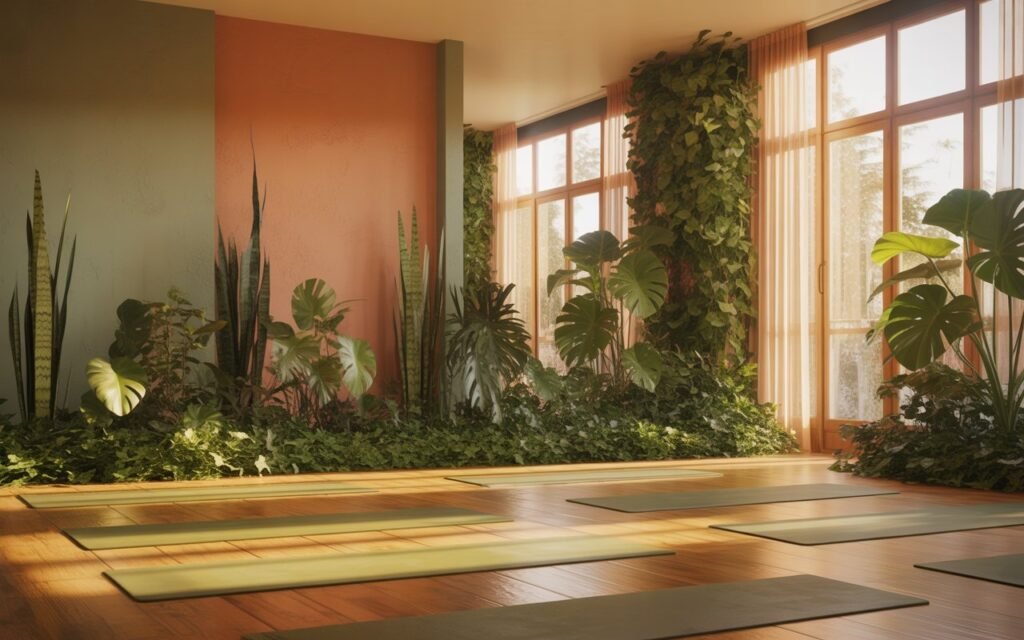
21. Outdoor-Inspired Indoor Space
Bring outdoor elements inside by combining plants, natural light, and earthy textures. This creates a refreshing environment that feels connected to nature.
Conclusion
Designing a functional and calming home yoga room is less about space and more about intention. A well-planned setup—whether it’s a full room or a small corner—can significantly improve your consistency, focus, and overall experience.
The most effective spaces are simple, uncluttered, and aligned with your personal routine. Prioritize natural light, keep your layout open, and only include elements that add value to your practice. Small details like textures, lighting, and organization make a noticeable difference over time.
Instead of trying to perfect everything at once, start with a basic setup and refine it gradually. As your routine becomes stronger, your space will naturally evolve into something that supports both physical movement and mental clarity.