Introduction
Open-concept living has become one of the most popular home design trends, but completely open spaces don’t always provide the structure or functionality that modern living requires. This is where a half wall between kitchen and living room becomes a smart and stylish solution.
A half wall acts as a subtle divider. It maintains openness while clearly defining zones, improving flow, and adding architectural interest. Whether you are working with a compact apartment or a spacious home, the right half wall design can enhance both functionality and visual appeal.
This guide explores carefully selected ideas that balance aesthetics with practicality. Each concept is designed to help you create a space that feels open, organized, and visually refined.
1. Classic Half Wall with a Clean Top Ledge
A simple half wall with a smooth top ledge is one of the most versatile and timeless options. It creates separation without adding visual heaviness.
This design works well in both modern and traditional homes because of its simplicity. The ledge can also be styled with subtle decor elements such as a small plant or a tray, adding a functional touch without cluttering the space.
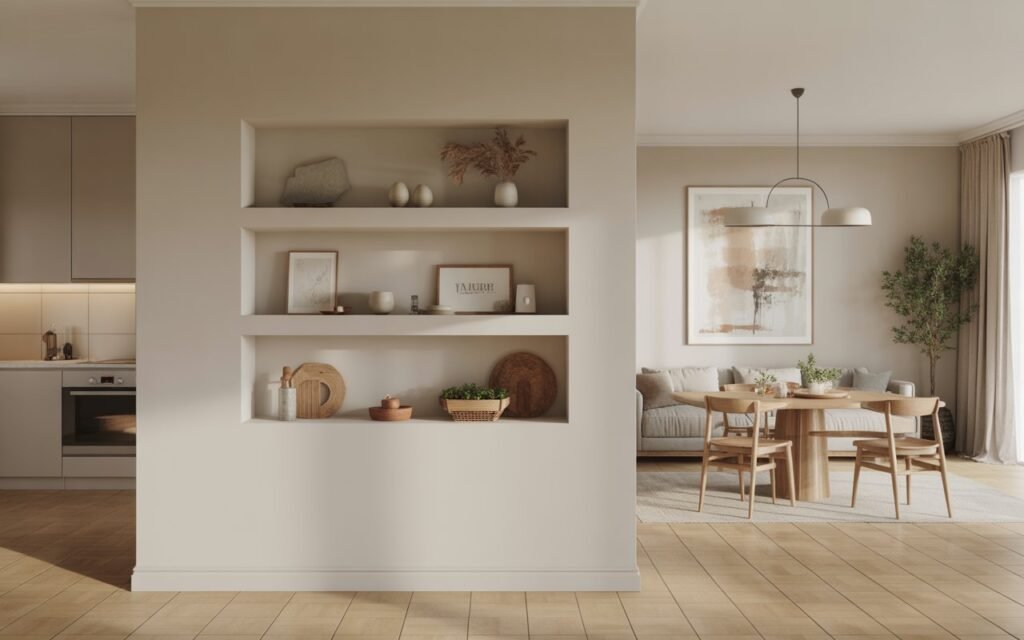
2. Half Wall with Built-In Shelving
Adding built-in shelves transforms a basic divider into a practical storage solution. Open shelving allows light to pass through while providing space for decor, books, or kitchen essentials.
This idea is especially effective in smaller homes where maximizing storage is essential. It also adds depth and visual layering, making the space feel more designed.
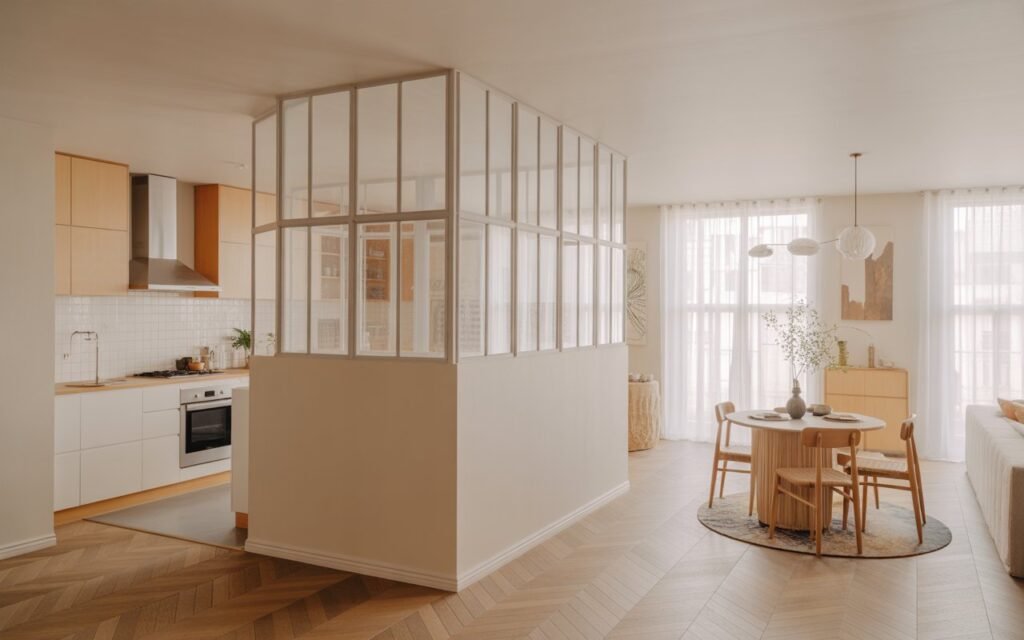
3. Half Wall with Glass Panels
Incorporating glass panels into a half wall maintains visibility between spaces while still offering structure. This approach is ideal if you want to keep the open-concept feel intact.
Glass elements allow natural light to flow freely, making the overall area feel brighter and more spacious. It also introduces a modern, refined aesthetic.
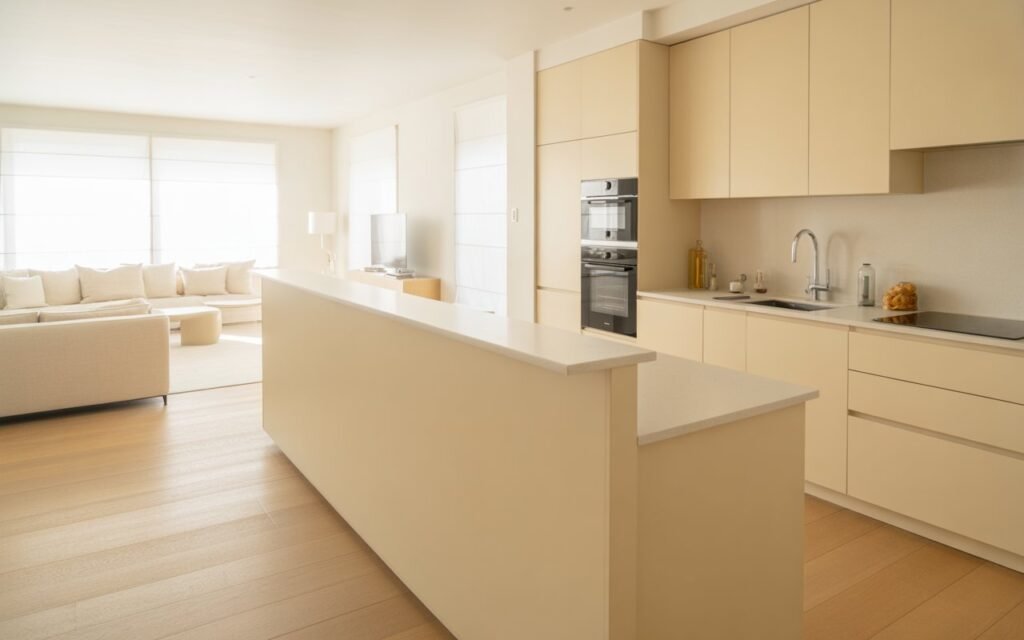
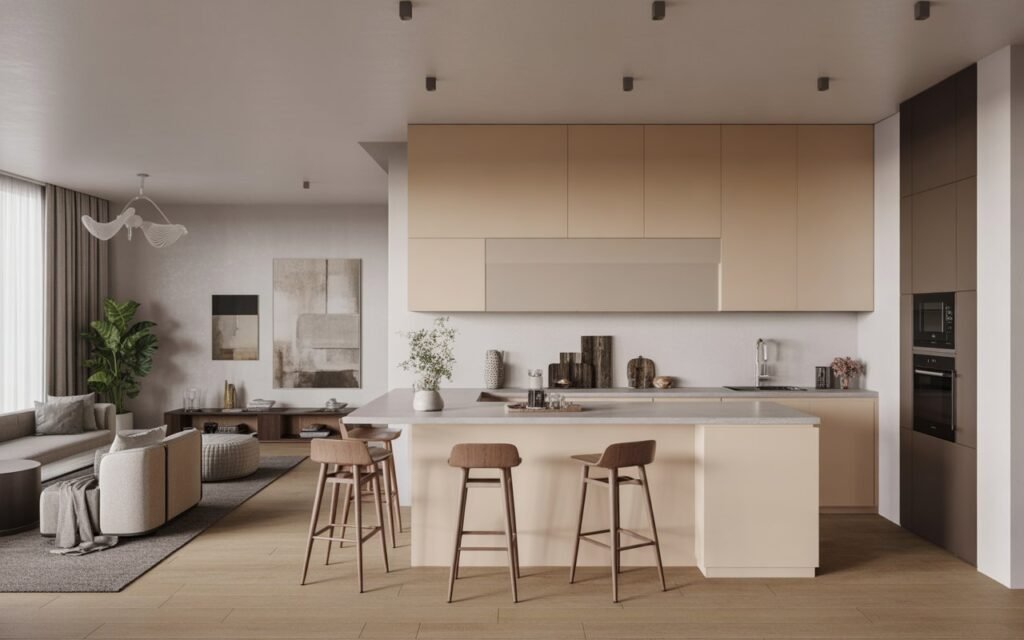
4. Breakfast Bar Half Wall
A half wall that doubles as a breakfast bar adds both function and style. Extending the top surface slightly creates a casual dining or seating area.
This design works particularly well in compact layouts where a full dining table may not be practical. It also encourages interaction between the kitchen and living space.
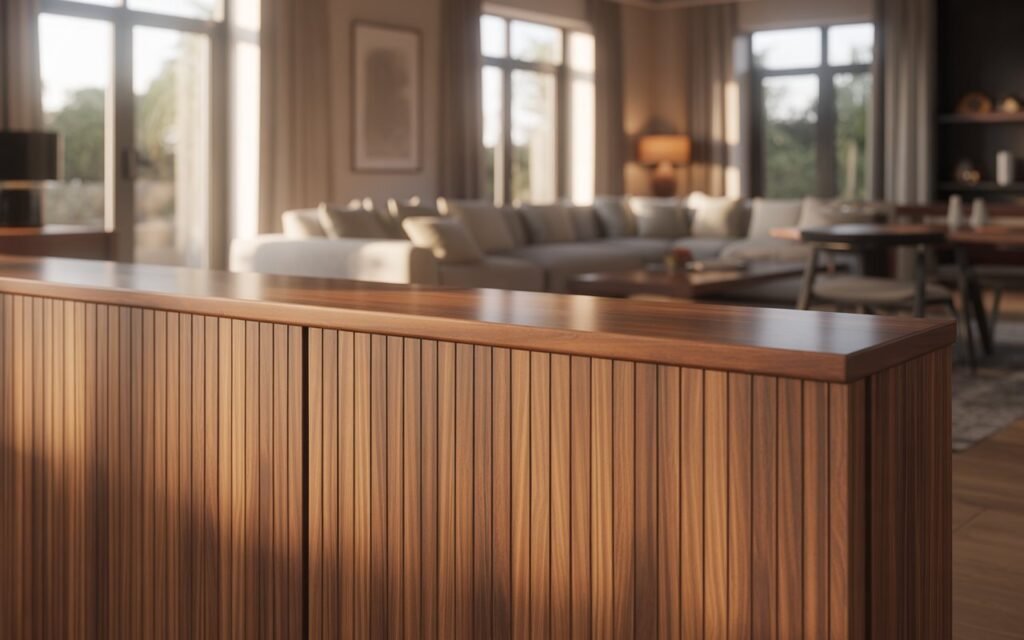
5. Half Wall with Wood Paneling
Wood paneling adds warmth and texture to the divider, creating a cozy yet polished look. Vertical or horizontal wood slats can dramatically change the visual effect.
This design pairs well with neutral interiors and brings a natural element into the space without overwhelming it.
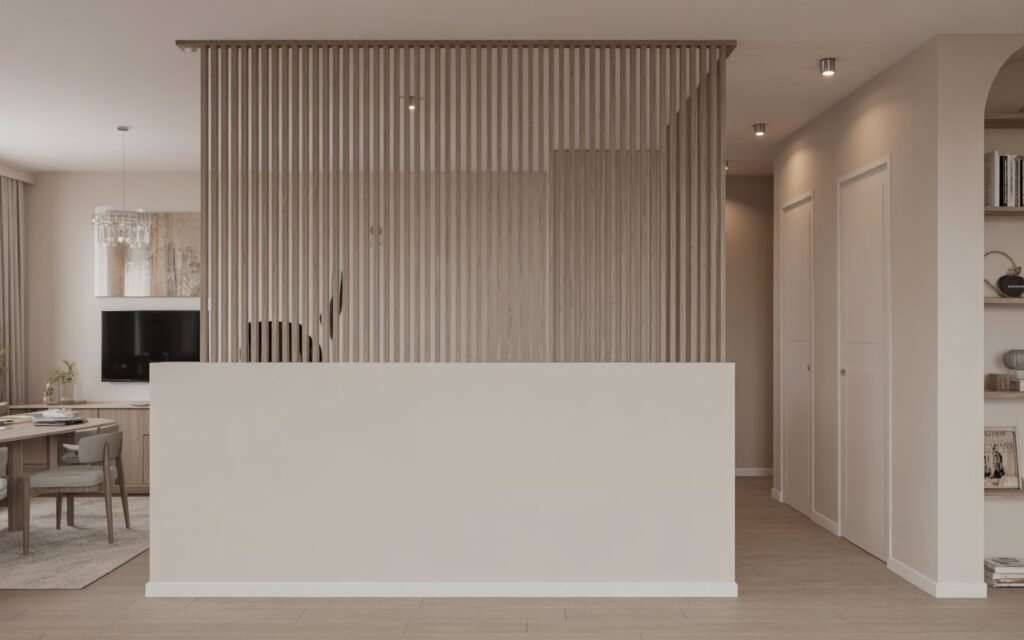
6. Half Wall with Open Slats
Instead of a solid structure, consider using vertical wooden slats. This creates a semi-open divider that defines the space while maintaining airflow and light.
The spacing between slats allows visibility, making the area feel connected rather than closed off. It is a strong choice for modern and minimalist interiors.
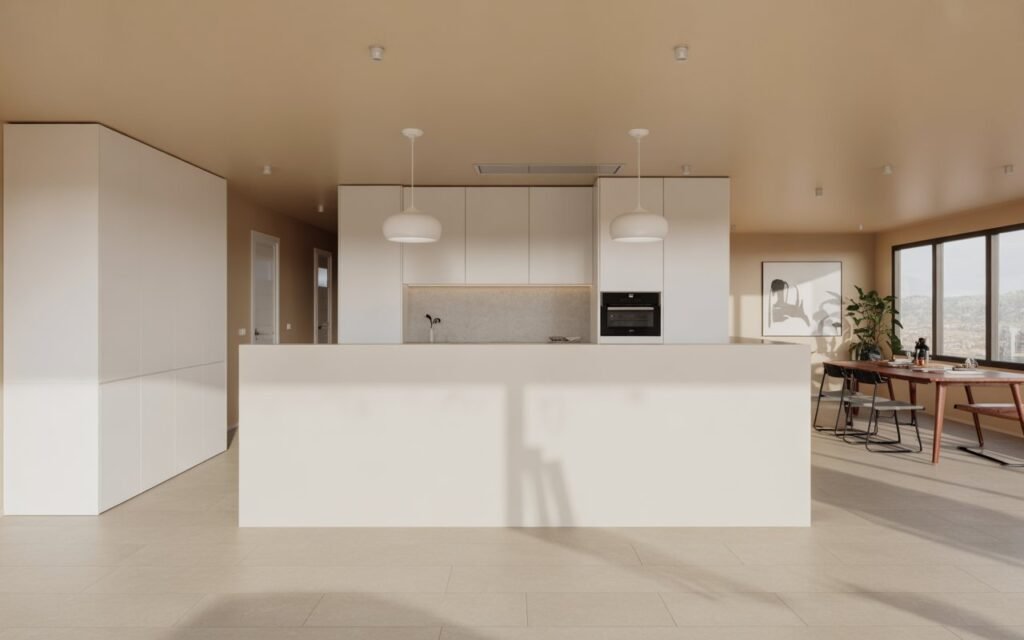
7. Minimalist White Half Wall
A crisp white half wall blends seamlessly into modern interiors. It keeps the space light, clean, and visually uncluttered.
This approach works particularly well in smaller homes, where maintaining a bright and open atmosphere is essential. Pairing it with light-toned furniture enhances the overall effect.
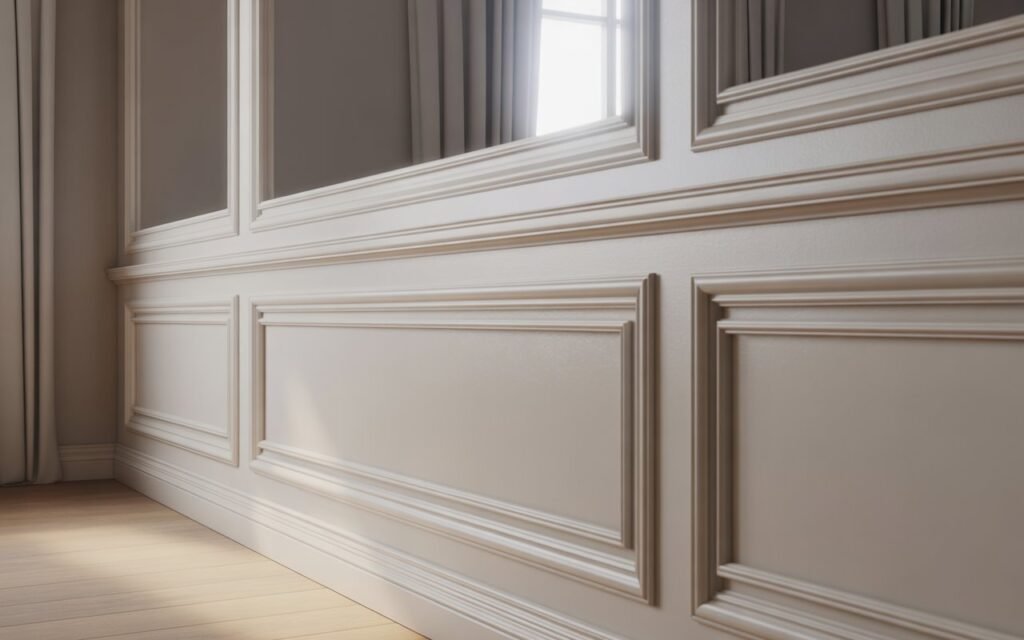
8. Half Wall with Decorative Molding
Adding molding details elevates a simple half wall into a more refined architectural feature. This idea works well in classic or transitional interiors.
The subtle detailing adds character without making the space feel heavy. It also creates a sense of intentional design.
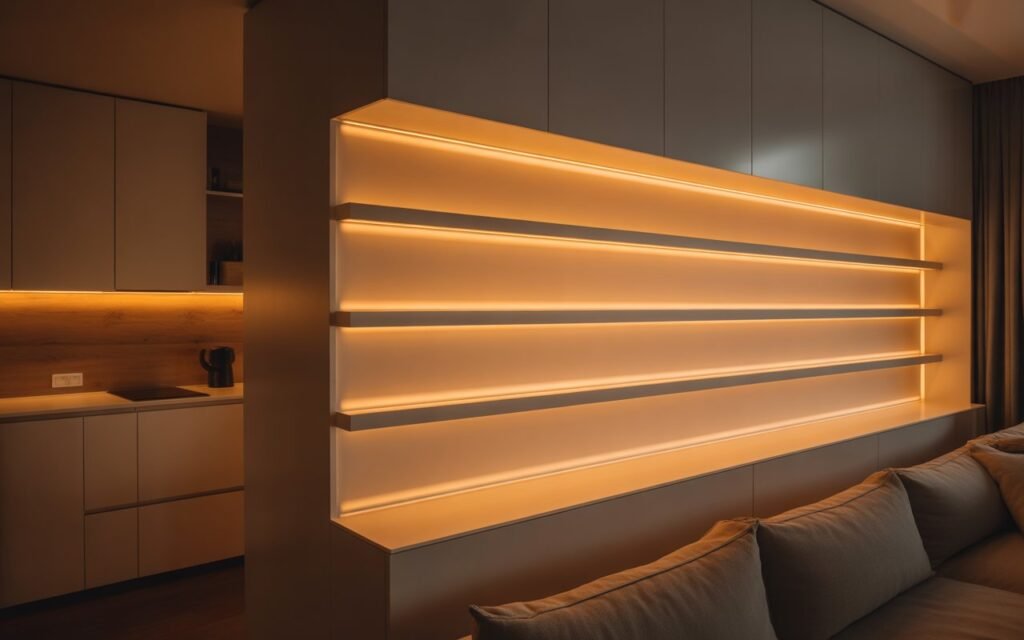
9. Half Wall with Integrated Lighting
Incorporating LED lighting into the half wall adds both functionality and ambiance. Soft lighting can highlight the structure and enhance the overall mood of the space.
This idea is particularly effective in the evening, where lighting becomes a key element of interior design.
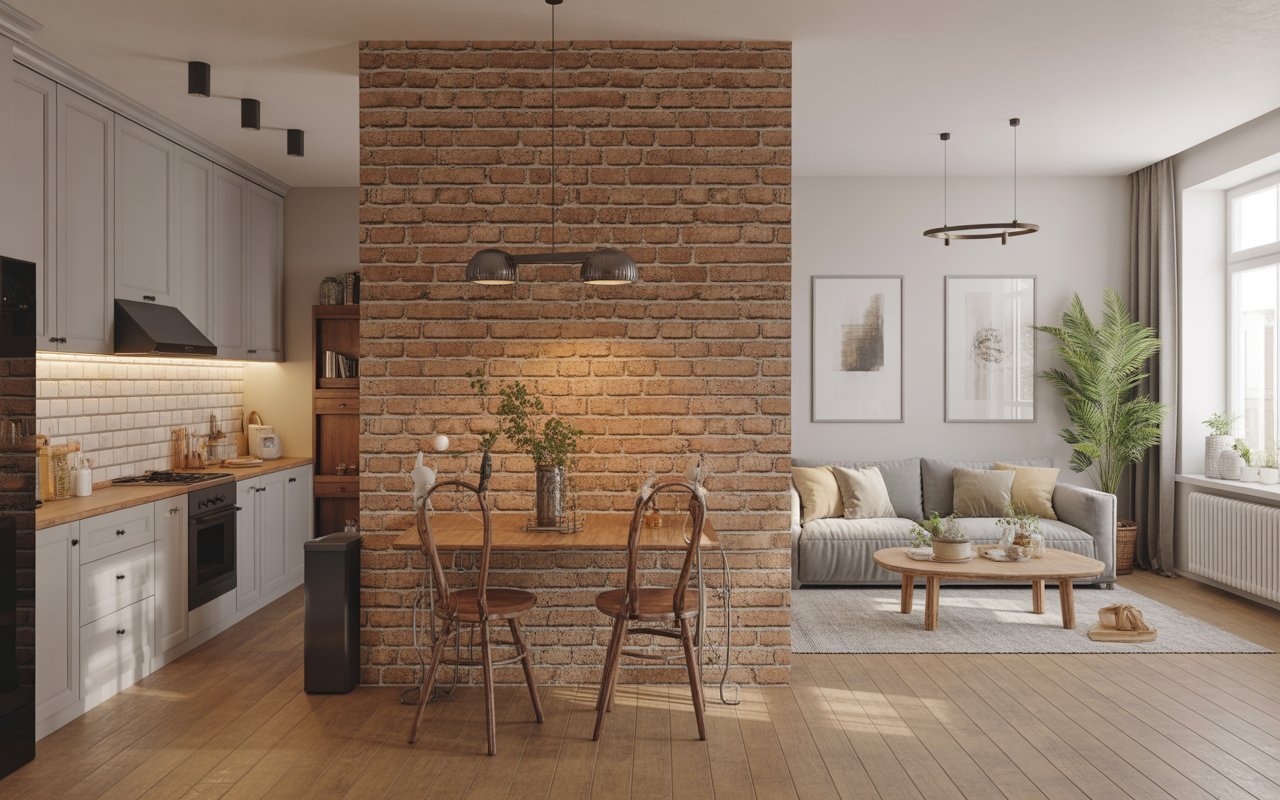
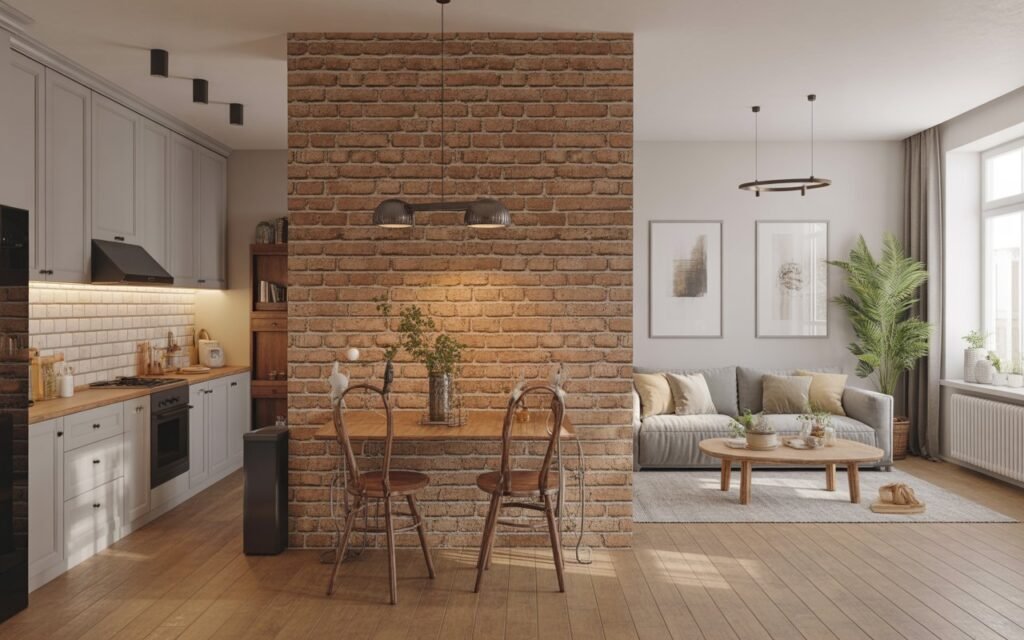
10. Half Wall with Stone or Brick Finish
Using materials like stone or exposed brick introduces texture and a slightly rustic feel. It creates a strong visual statement while still serving as a functional divider.
This design works well in industrial or farmhouse-style interiors and pairs beautifully with wood and metal elements.
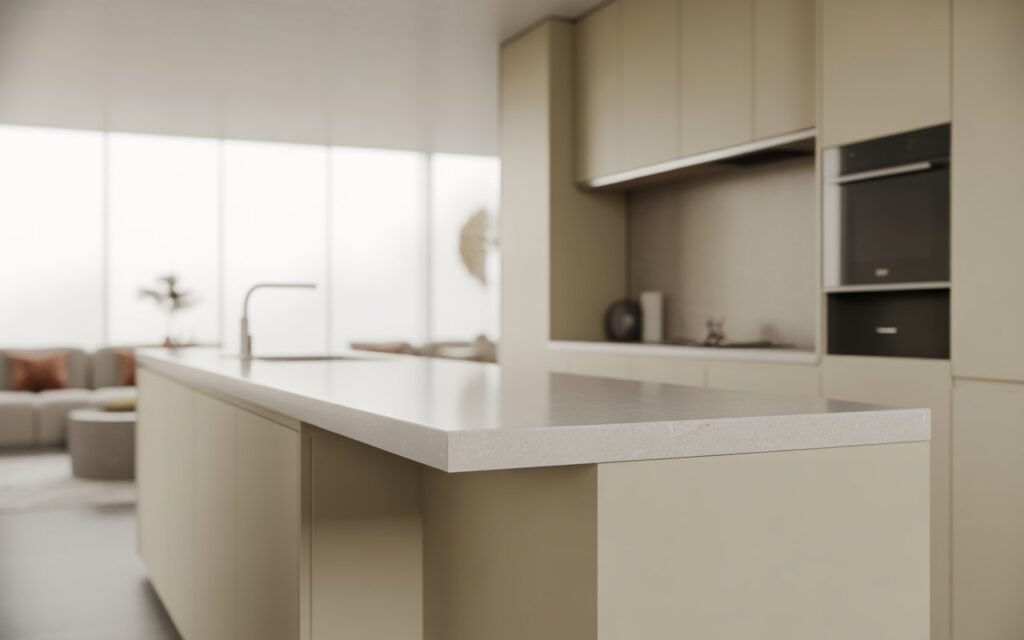
11. Half Wall with Floating Countertop Extension
Extending a floating countertop from the half wall creates additional workspace without adding bulk. It keeps the design sleek and modern.
This is especially useful in smaller kitchens where extra surface area is needed without overcrowding the space.
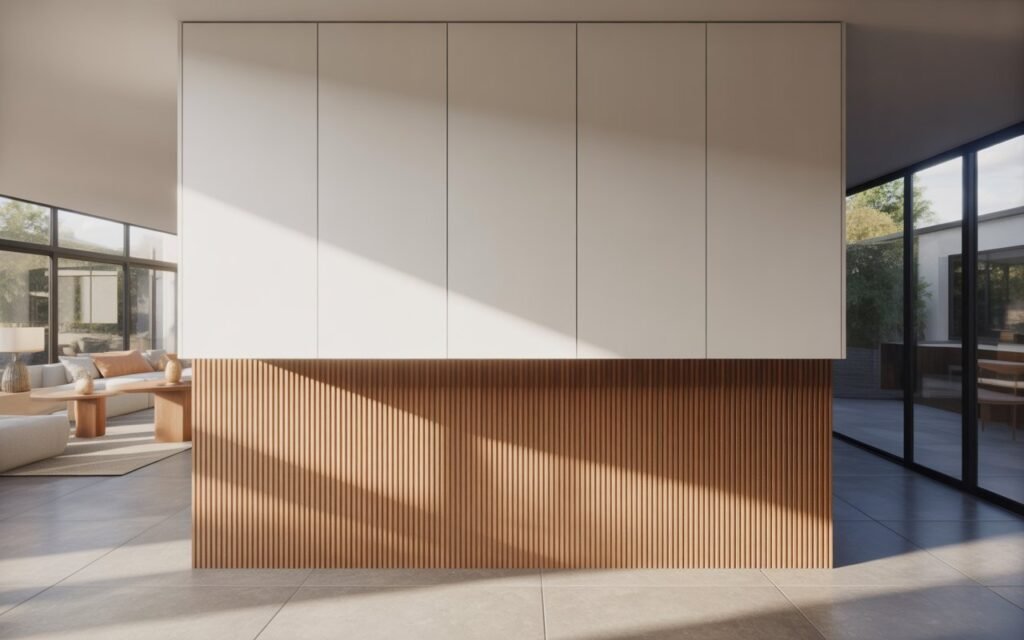
12. Half Wall with Two-Tone Finish
Using two different colors or materials on the half wall adds visual contrast. For example, a white base with a wooden top creates a balanced and modern look.
This approach allows you to tie together the kitchen and living room color schemes in a subtle yet effective way.
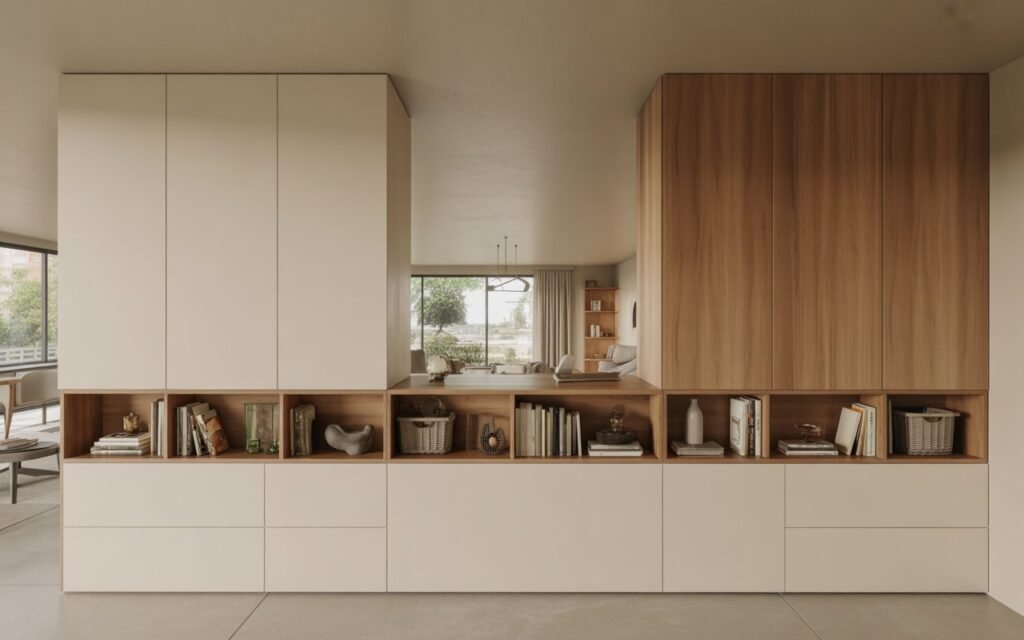
13. Half Wall with Built-In Storage Cabinets
Adding cabinets within the half wall maximizes functionality. It provides hidden storage for kitchen or living room essentials while maintaining a clean exterior.
This idea is ideal for maintaining organization in compact homes where every inch of storage matters.
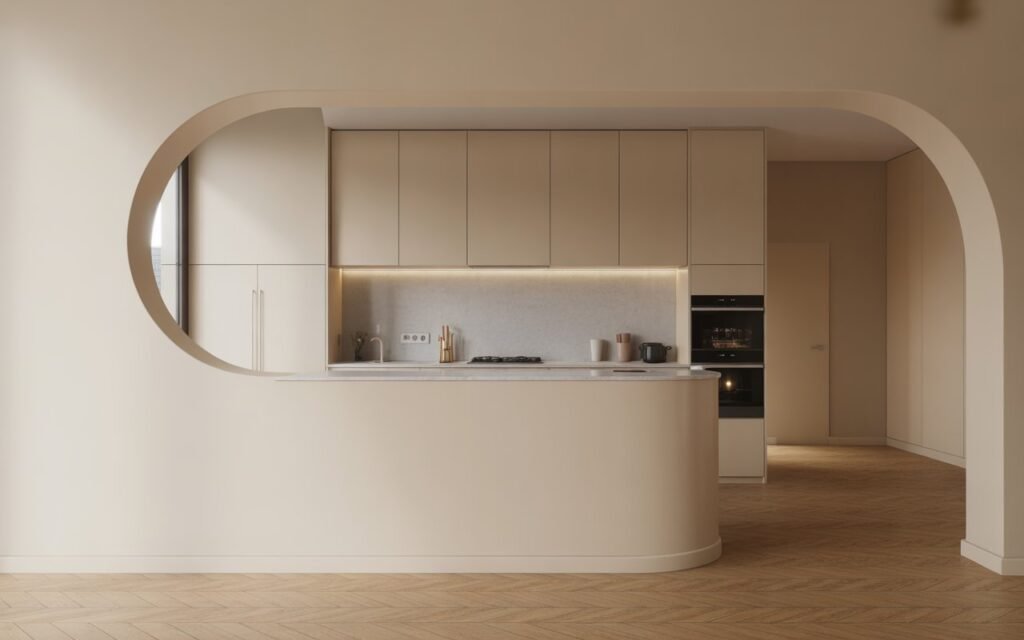
14. Curved Half Wall Design
A curved half wall introduces a softer, more organic feel compared to straight lines. It creates visual interest and makes the space feel more dynamic.
This design works well in contemporary homes that aim to break away from rigid structures.
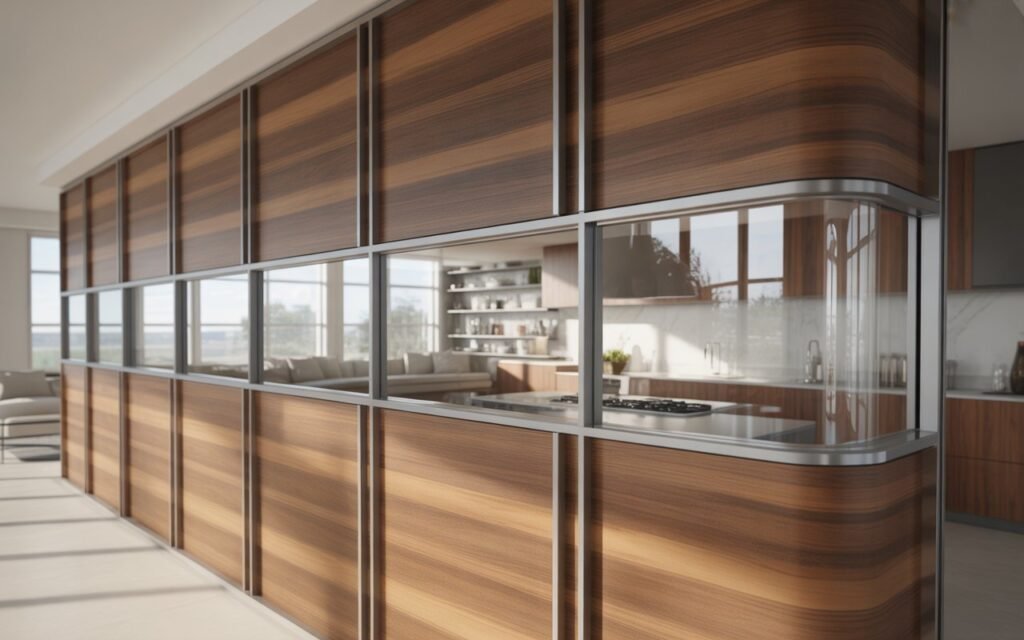
15. Half Wall with Mixed Materials
Combining materials such as wood, metal, and glass creates a layered and high-end look. This approach adds depth and makes the divider feel like a designed feature rather than a basic partition.
When done thoughtfully, mixed materials can connect different elements of both spaces into one cohesive design.
Conclusion
A half wall between kitchen and living room offers the perfect balance between openness and structure. It allows you to define spaces without sacrificing light, flow, or connection.
From minimalist designs to feature-rich dividers with storage and lighting, each idea serves a purpose beyond aesthetics. The key is to choose a design that aligns with your space, lifestyle, and overall interior style.
By focusing on thoughtful layout, material selection, and functionality, you can transform a simple divider into a defining element of your home.