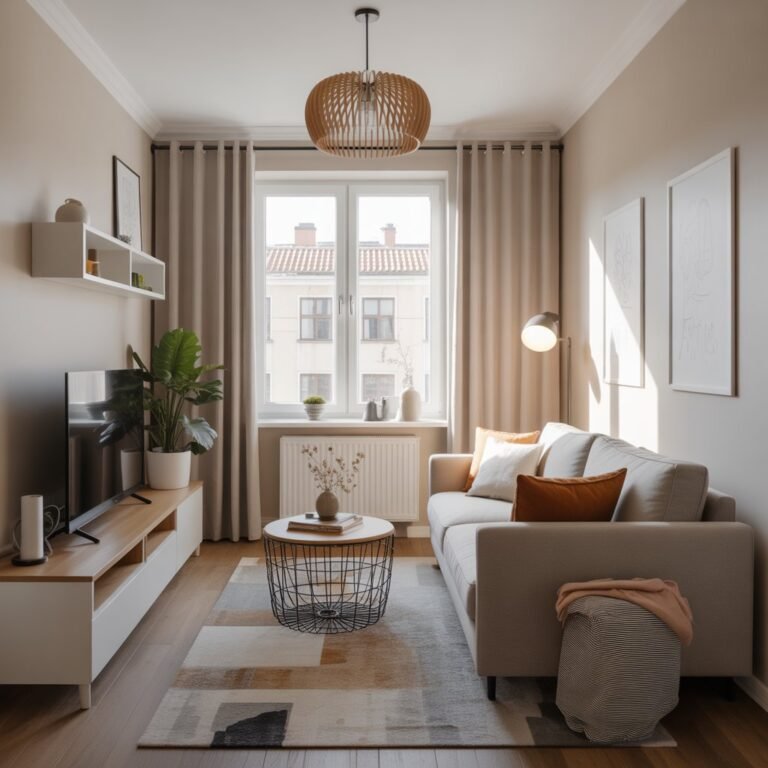
Arranging furniture in a small living room can feel frustrating. The space looks crowded, walking paths feel tight, and no matter what you do, something feels off. The good news is that with the right layout strategy, even a small living room can feel open, balanced, and comfortable.
Learning how to arrange furniture in a small living room is not about buying new furniture. It is about placing what you already have in a smarter way. This guide breaks everything down step by step so you can create a layout that looks good and works for everyday life.
Planning Your Small Living Room Layout
Before moving a single sofa, planning is essential. Skipping this step is the main reason small living rooms end up cluttered and uncomfortable.
Measuring Your Space and Furniture
Start by measuring your room and your furniture. Write down the width, length, and door openings. This helps you avoid squeezing oversized furniture into a tight space.
Knowing exact sizes allows you to visualize what fits and what does not. If a sofa blocks a walkway on paper, it will block it in real life too.
Identifying the Room’s Focal Point
Every living room needs a focal point. It could be a TV, a window, a fireplace, or even a statement wall.
Arrange your main seating to face this focal point. This instantly creates order and makes the room feel intentional instead of random.
Creating a Functional Traffic Flow
People should be able to walk through the room without bumping into furniture. Leave clear paths between seating, doors, and exits.
Good traffic flow makes a small living room feel bigger and more comfortable.
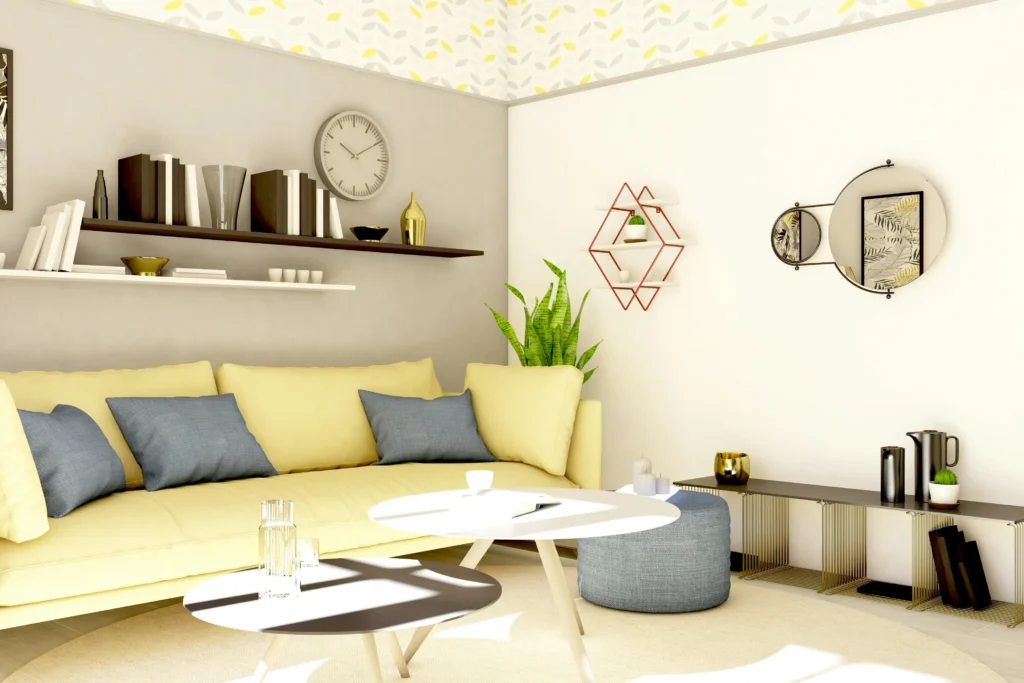
Optimal Furniture Placement Strategies
nce planning is done, placement becomes easier. The goal is to keep the room open while still functional.
Balancing Symmetry and Asymmetry
Perfect symmetry can feel stiff in small spaces. Instead, balance items visually. For example, pair a sofa with one chair instead of two identical chairs.
This approach keeps the room interesting without overcrowding it.
Floating vs. Wall-Adjacent Arrangements
Pushing all furniture against walls is a common mistake. Sometimes floating a sofa slightly away from the wall makes the room feel more spacious.
Try both options and choose what gives better walking space and visual balance.
Zoning Your Space with Furniture
If your living room serves multiple purposes, use furniture to create zones. A rug can define a seating area, while a console table can separate the room subtly.
Zoning helps organize the space without adding walls.
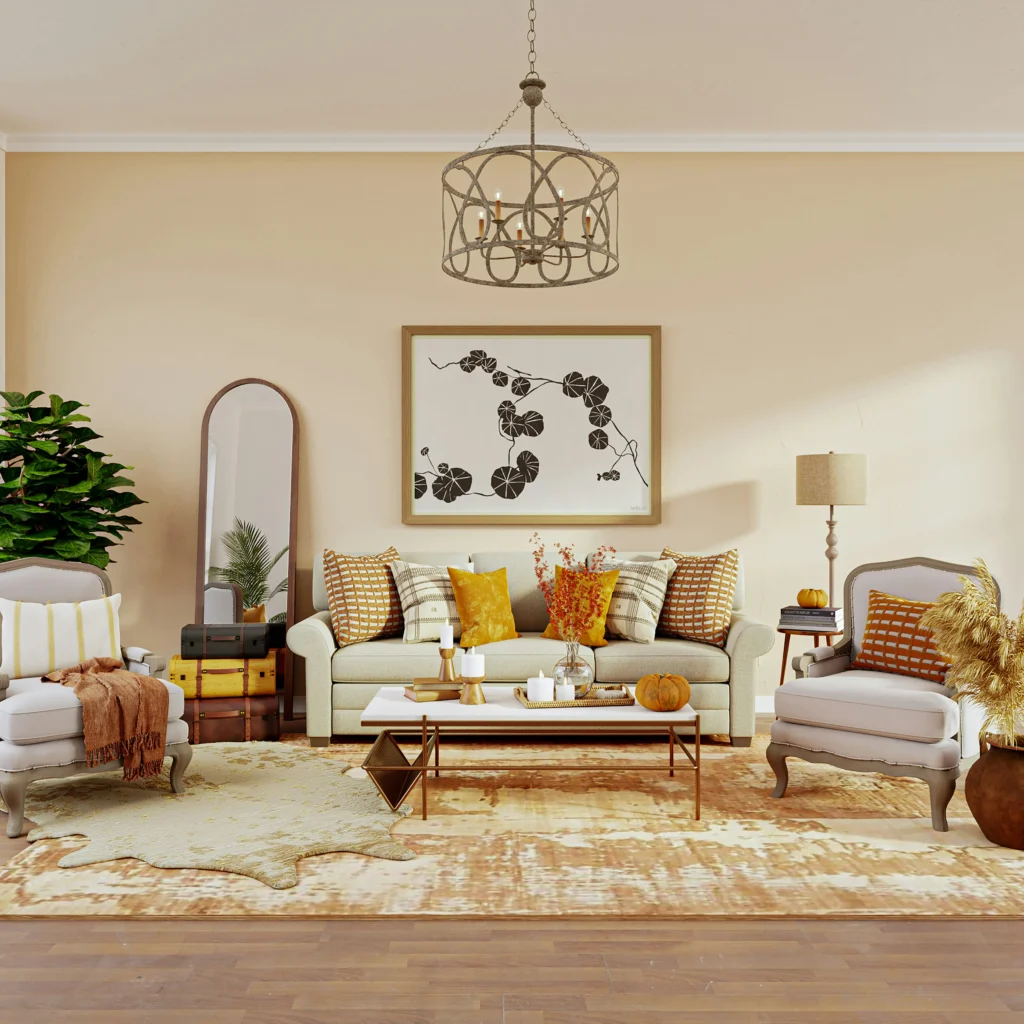
Choosing and Styling the Right Furniture
Furniture choice plays a huge role when learning how to arrange furniture in a small living room.
Selecting Multi-Functional Pieces
Choose furniture that does more than one job. Think ottomans with storage, nesting tables, or a sofa bed.
Multi-functional pieces reduce clutter and increase usability without adding bulk.
Using Scaled and Low-Profile Options
Large, bulky furniture overwhelms small rooms. Opt for low-profile sofas and chairs with visible legs.
This allows light to pass through and makes the room feel airy instead of boxed in.
Maximizing Seating Without Clutter
nstead of large sectionals, use a sofa plus one or two compact chairs. Stools or poufs can be added when needed and tucked away easily.
Flexible seating keeps the room adaptable.
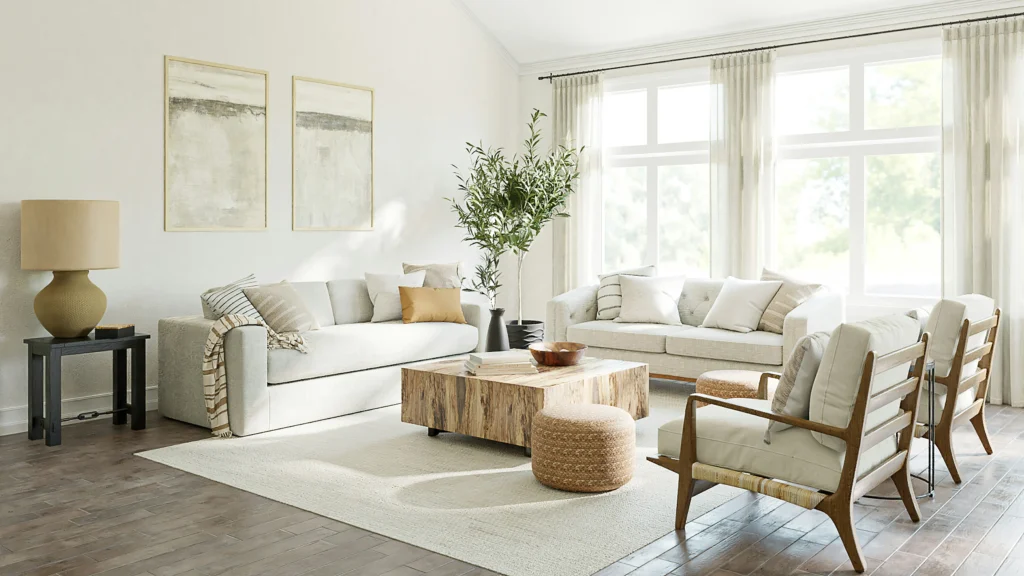
Enhancing Space and Comfort
Small living rooms should still feel comfortable and inviting, not cramped.
Preserving Natural Light and Sight Lines
Avoid placing tall furniture in front of windows. Let natural light flow freely through the space.
Clear sight lines across the room make it feel larger and less crowded.
Incorporating Storage Solutions
Use vertical storage like shelves or cabinets to keep the floor clear. Storage baskets and hidden compartments also help reduce visual mess.
Less clutter equals more space.
Avoiding Common Layout Mistakes
Do not block doors, overfill corners, or use too many small decor items. These mistakes make the room feel busy and uncomfortable.
Stick to fewer, well-placed pieces.
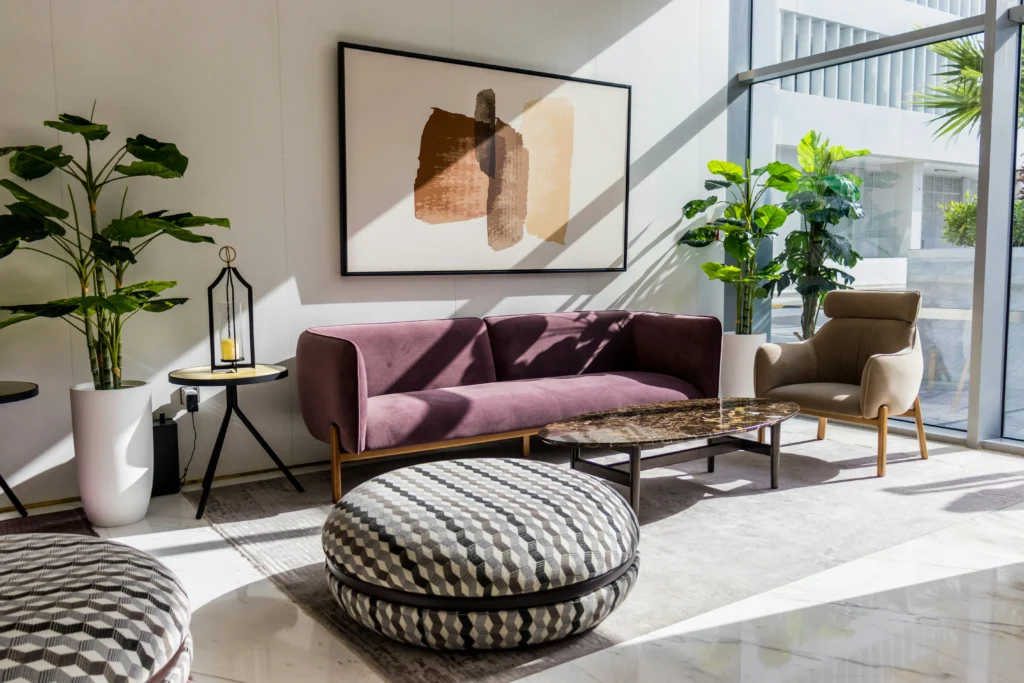
Final Tips to Make a Small Living Room Feel Bigger
Use light colors on walls and furniture. Mirrors can reflect light and visually expand the room. Keep decor minimal and intentional.
Remember, negative space is not empty space—it is breathing room for your design.
Conclusion
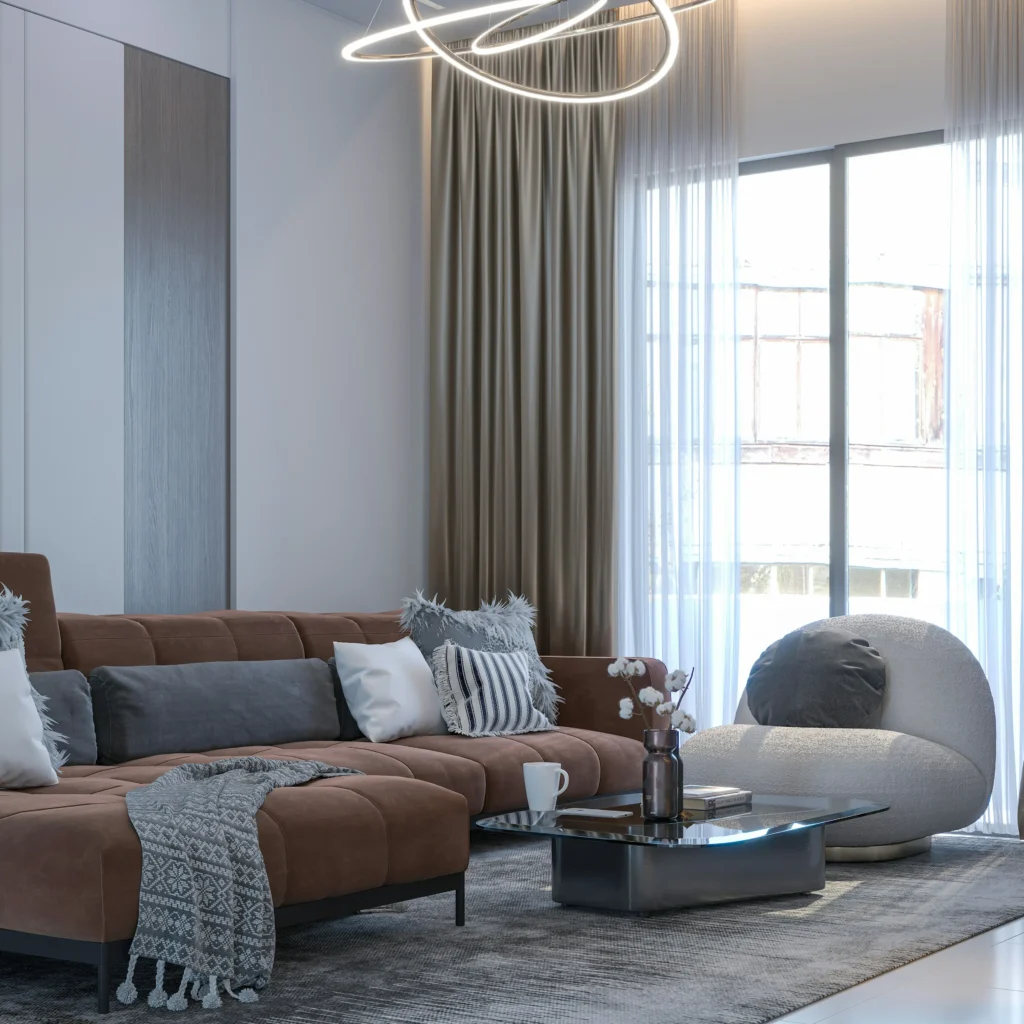
Understanding how to arrange furniture in a small living room is about planning, balance, and smart choices. You do not need a bigger room to enjoy a better layout.
By measuring carefully, choosing the right furniture, and keeping traffic flow clear, your small living room can feel stylish, comfortable, and open. Start with small changes, and you will see a big difference.